How to Treat a Mosquito Bite Naturally

Jose Brito
I’m Jose Britto, the writer behind The Country Store Farm Website. I share practical, down-to-earth gardening advice for home growers—whether you’re starting your first raised bed, troubleshooting pests, improving soil, or figuring out what to plant next. My focus is simple: clear tips you can actually use, realistic expectations, and methods that work in real backyards (not just in perfect conditions). If you like straightforward guidance and learning as you go, you’re in the right place.
Mosquito bites are one of those summer annoyances that can turn a good evening outside into a day or two of itching. The good news is you can usually calm the itch and swelling with a few simple, natural treatments you already have at home. The key is doing the right thing in the first few minutes, then avoiding the stuff that makes the bite flare up again later.
First things first: what not to do
- Do not scratch. Scratching breaks skin and can lead to infection. It also makes the inflammation last longer.
- Avoid very hot water or intense heat. Heat can feel temporarily relieving for some people, but it can also burn you or leave the skin more irritated. If you try heat, keep it mild and brief and stop if it stings.
- Avoid harsh products. Alcohol wipes, heavy fragrances, and harsh essential oil use can inflame already irritated skin.
If you already scratched, wash the area with soap and water now. Clean skin is your best starting point.
Immediate relief (the first 5 to 10 minutes)
1) Rinse and gently pat dry
If you were outdoors sweating, near sunscreen, bug spray, or dirt, rinse the bite with cool water and a mild soap. Irritants sitting on top of the bite can keep it itchy.
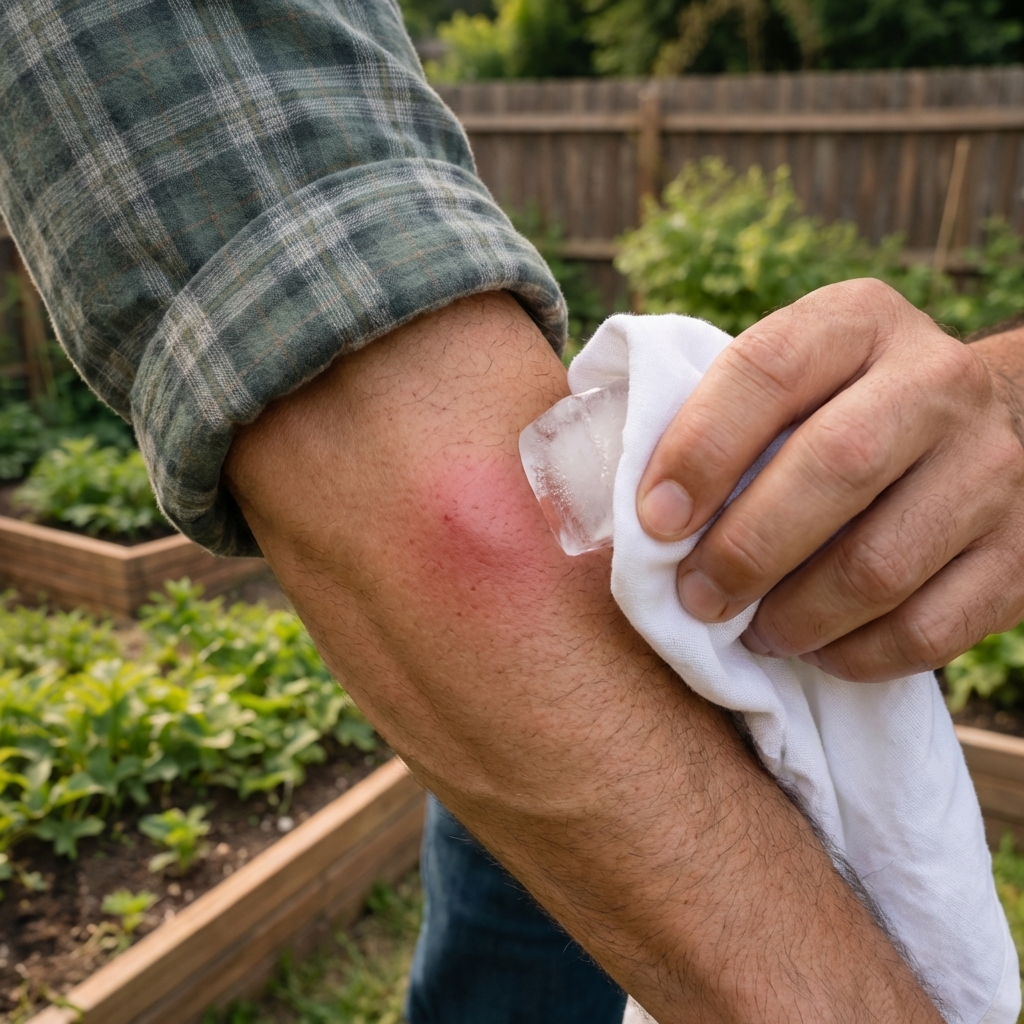
2) Ice or a cold compress
This is one of the fastest, most reliable at-home ways to bring down itching and swelling. Cold reduces inflammation and slightly numbs the nerve endings.
- Wrap ice in a clean cloth or paper towel.
- Hold on the bite for 5 to 10 minutes.
- Repeat a few times during the first hour if needed.
Tip: Never place ice directly on skin for long periods, especially for kids. Use a barrier.
Natural remedies that help with itching and swelling
Different remedies work better for different people. If one does not help much after 20 to 30 minutes, switch to another option. Keep it simple and avoid layering too many things at once.
Baking soda paste
Baking soda is a classic home remedy that can calm itch for many people. It is gentle, cheap, and easy to make.
- Mix 1 tablespoon baking soda with just enough water to make a paste.
- Apply a thin layer to the bite.
- Let it sit for 10 minutes, then rinse off.
- Repeat 1 to 3 times per day as needed.

Aloe vera (pure gel)
Aloe is soothing and cooling and can help take the edge off irritation. Use plain aloe gel, not a heavily fragranced lotion.
- Apply a small amount to clean skin.
- Reapply as needed, especially after washing hands or showering.
From a plant: If you have an aloe plant, cut a small piece, slice it open, and use the clear gel. Keep it clean and use a fresh cut to avoid contamination.

Witch hazel
Witch hazel is an astringent that can feel cooling and help take down irritation for some people.
- Put a small amount on a cotton pad or clean cloth.
- Press it gently on the bite for 30 to 60 seconds.
- Repeat as needed.
Apple cider vinegar (diluted)
Apple cider vinegar is another common astringent home option. It can sting, so keep it diluted and skip it if you have broken skin.
- Mix 1 part apple cider vinegar with 1 part water.
- Dab on the bite with a cotton ball.
- Stop if it burns or the redness worsens.
Tea tree oil (use with caution)
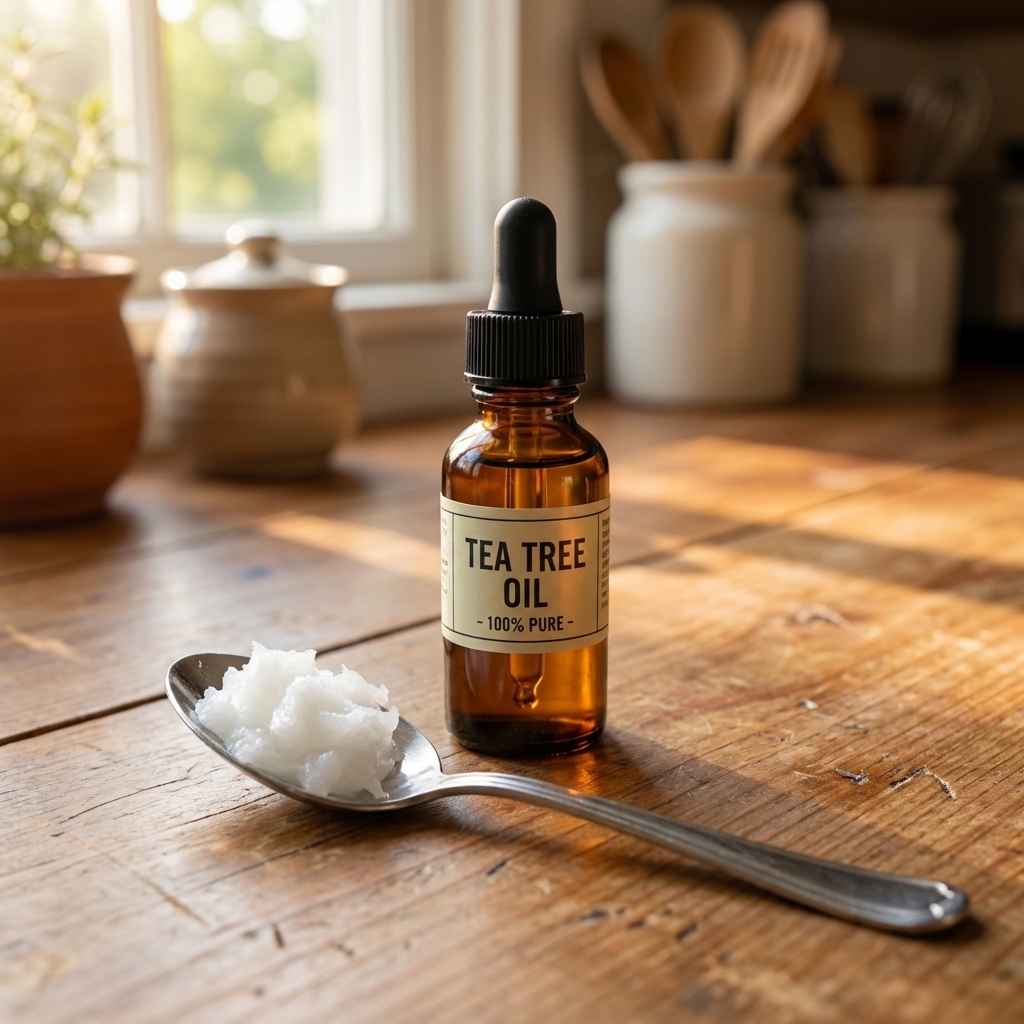
Tea tree oil is popular for skin issues, but it is strong and can irritate or cause a rash if used straight. Evidence for mosquito bites is limited, so treat it as a “maybe helpful” option, not a sure thing. If you want to try it, dilute it first and do a small test spot.
- Mix 1 drop tea tree oil with 1 teaspoon of a carrier oil (like coconut or olive oil).
- Dab a tiny amount on the bite.
- Stop if you feel burning, increased redness, or rash.
Important: Do not use essential oils on broken skin, near eyes, or on very young children unless your pediatrician says it is okay.
Other simple options that can help
- Oatmeal paste: Mix plain oats with water and apply for 10 minutes, then rinse.
- Honey: A tiny dab can be soothing for some people, but it can be sticky and may irritate sensitive skin. Apply only on clean skin and consider covering it with a small bandage so it does not get on clothes or bedding. If you are heading back outdoors, skip it, since it may attract insects.
- Cold brewed black tea compress: Soak a clean cloth in cooled tea and hold it on the bite for a few minutes.
How to avoid scratching at night
Nighttime is when bites often get irritated from unconscious scratching. If you tend to scratch without thinking, try a few practical steps:
- Reapply aloe or use a cold pack for a few minutes before bed.
- Cover the bite with a loose, breathable bandage or a light layer of clothing to create a “scratch barrier.”
- Keep fingernails short. It reduces skin damage if you do scratch.
- Distract the nerves by gently pressing around the bite instead of scratching the center.
How to tell a mosquito bite from other bites
Mosquito bites are common, but they are not the only itchy bumps you can get outdoors. Here are a few quick clues.
Typical mosquito bite signs
- Round, puffy bump that appears minutes to hours after being outside
- Itchy more than painful
- Often on exposed skin like ankles, calves, arms, neck
- May have a small central dot where the mosquito fed
When it might be something else
- Chigger bites: Often clustered around sock lines, waistbands, or tight clothing areas. Very itchy and can linger.
- Flea bites: Common around ankles, often multiple tiny bites in groups.
- Bed bug bites: Often appear after sleeping and may show in lines or clusters on exposed skin.
- Spider bite: Less common than people think. Can be more painful, sometimes with two puncture marks, and may worsen over time.
- Bee or wasp sting: Immediate sharp pain, more swelling, and sometimes a visible stinger (bee).
If you did not spend time outdoors or you keep getting new “bites” every morning, look at your environment. The treatment for itch is similar, but prevention is very different.
When a bite is more than a nuisance
Most bites are harmless. But sometimes the body reacts strongly, and occasionally a bite can become infected from scratching.
Signs of an allergic reaction (get medical help)
- Hives spreading beyond the bite area
- Swelling of lips, tongue, face, or around the eyes
- Wheezing, trouble breathing, chest tightness
- Dizziness or fainting
These can be signs of a serious reaction. Call emergency services if breathing trouble or facial swelling is involved.
Big local swelling (when it looks dramatic)
Some people get large, firm swelling from mosquito bites, sometimes called a large local reaction or “skeeter syndrome.” It can look alarming but is not always dangerous. If swelling is severe, keeps worsening, affects a joint or eye area, or comes with fever or feeling unwell, check in with a clinician.
Signs the bite may be infected
- Redness that is expanding over 24 to 48 hours, especially if it is also painful, warm, or getting more tender
- Warmth, tenderness, or throbbing pain
- Pus, crusting, or an open sore that is not improving
- Fever or red streaking away from the bite
If you see these signs, contact a healthcare provider. Natural remedies are not a substitute for treatment if infection is developing.
Why mosquito bites itch
When a mosquito bites, it injects saliva that helps it feed. Your immune system reacts to proteins in that saliva, releasing histamine and other inflammatory chemicals. That reaction causes the classic itch and swelling.
That is why cold compresses, gentle soothing gels, and not scratching make such a difference. You are helping your body settle the reaction instead of keeping it fired up.
If natural remedies are not enough
If home remedies are not cutting it, over-the-counter options can help. Consider 1% hydrocortisone cream or an oral antihistamine for itching. Ask a pharmacist or clinician first for kids, pregnancy, or if you have medical conditions or take other meds.
Prevent bites next time
You can treat bites naturally, but it helps to reduce how many you get in the first place. A few backyard habits go a long way:
- Dump standing water every few days (saucers, buckets, tarps, toys).
- Use a fan on patios. Mosquitoes are weak flyers.
- Wear light long sleeves at dusk if mosquitoes are thick.
- Shower after heavy outdoor work. Sweat and body heat can attract them.
Quick relief checklist
- Wash with soap and water
- Ice for 5 to 10 minutes
- Choose one: baking soda paste, aloe vera, witch hazel, diluted apple cider vinegar, or diluted tea tree oil
- Do not scratch, cover at night if needed
- Watch for allergic reaction or infection signs
If you want the most no-fuss option, start with rinsing, then ice, then a little aloe. That combo handles most everyday mosquito bites without much trial and error.