How to Kill Poison Ivy in Your Yard

Jose Brito
I’m Jose Britto, the writer behind The Country Store Farm Website. I share practical, down-to-earth gardening advice for home growers—whether you’re starting your first raised bed, troubleshooting pests, improving soil, or figuring out what to plant next. My focus is simple: clear tips you can actually use, realistic expectations, and methods that work in real backyards (not just in perfect conditions). If you like straightforward guidance and learning as you go, you’re in the right place.
Poison ivy is one of those plants that can turn a simple yard cleanup into a week of regret. The good news is you can get rid of it, but you need to do it safely and thoroughly. This guide is about eliminating the plant in your yard, not treating the rash it causes.
If you take one thing from this page, make it this: poison ivy comes back when roots and vines are left behind, and the oil (urushiol) can stick to tools, gloves, pets, and shoes long after you are done.
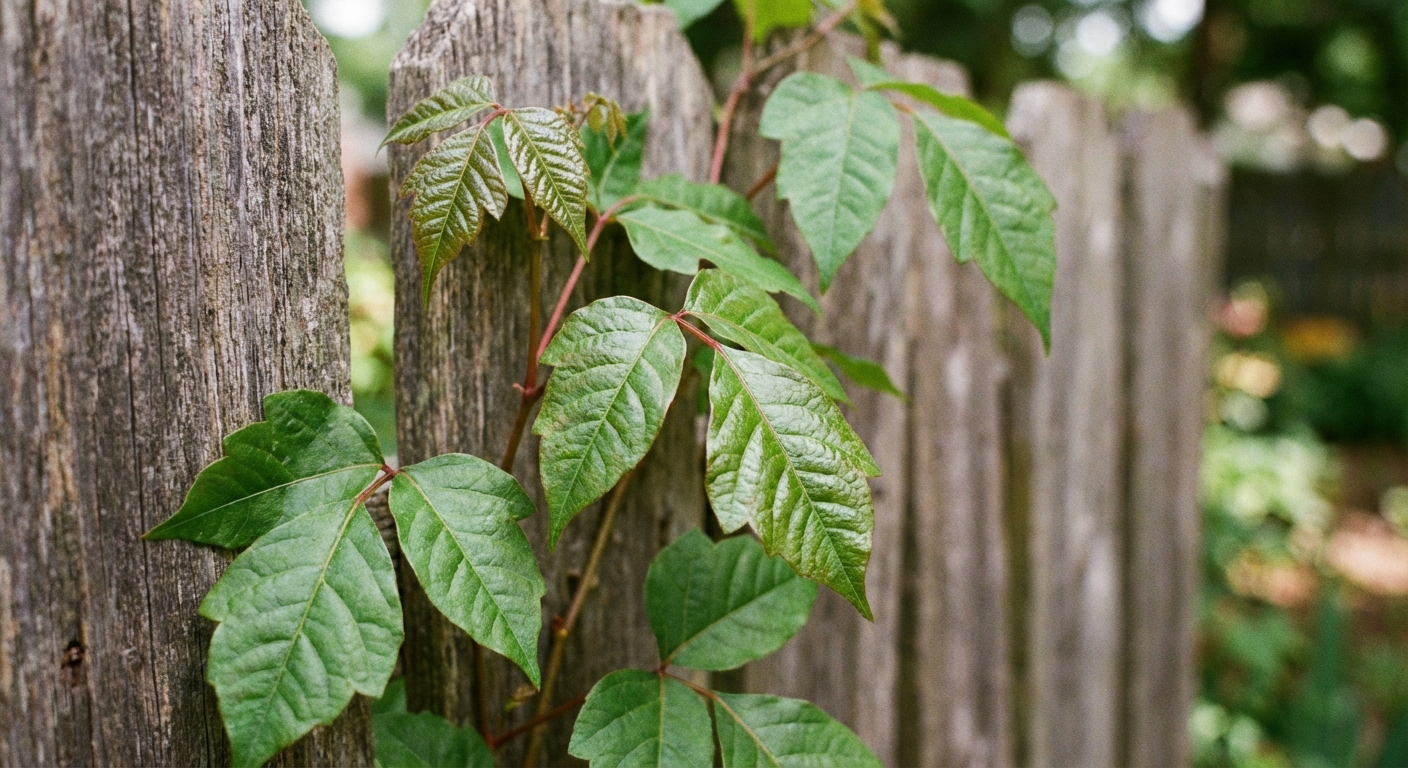
Before you touch it: safety first
Poison ivy is dangerous because of urushiol oil. You can get exposed by brushing the plant, touching contaminated tools, or handling clothing that touched the plant. Some people react severely.
Protective gear that actually helps
- Nitrile gloves (not cloth). Consider double-gloving if you will be pulling vines.
- Long sleeves and long pants. Smooth fabrics are easier to wash than fuzzy ones.
- Closed-toe shoes or rubber boots. Avoid sneakers with mesh if you will be stepping through vines.
- Eye protection if you are working under brush or cutting vines.
- A disposable mask if you are disturbing dry vines and dust. Do not burn poison ivy, but dry fragments can still be irritating when disturbed.
Absolute do-nots
- Do not burn poison ivy. Inhaling smoke carrying urushiol can cause serious respiratory injury.
- Do not weed-whack or mow it unless you are fully covered. Chopping it can spread oily plant bits.
- Do not compost it. Home compost does not reliably neutralize the oil.
Quick ID check (so you do not pull the wrong plant)
You do not need to become a botanist, but you should slow down long enough to confirm what you are dealing with.
- Leaves of three, usually with the center leaflet on a longer stem.
- Can grow as a groundcover, a small shrub, or a hairy vine climbing trees and fences.
- Leaf edges can be smooth or slightly toothed. Color ranges from bright green to reddish in fall.
If you are not sure, do not grab it barehanded. Take a photo and compare to reputable extension resources for your region.
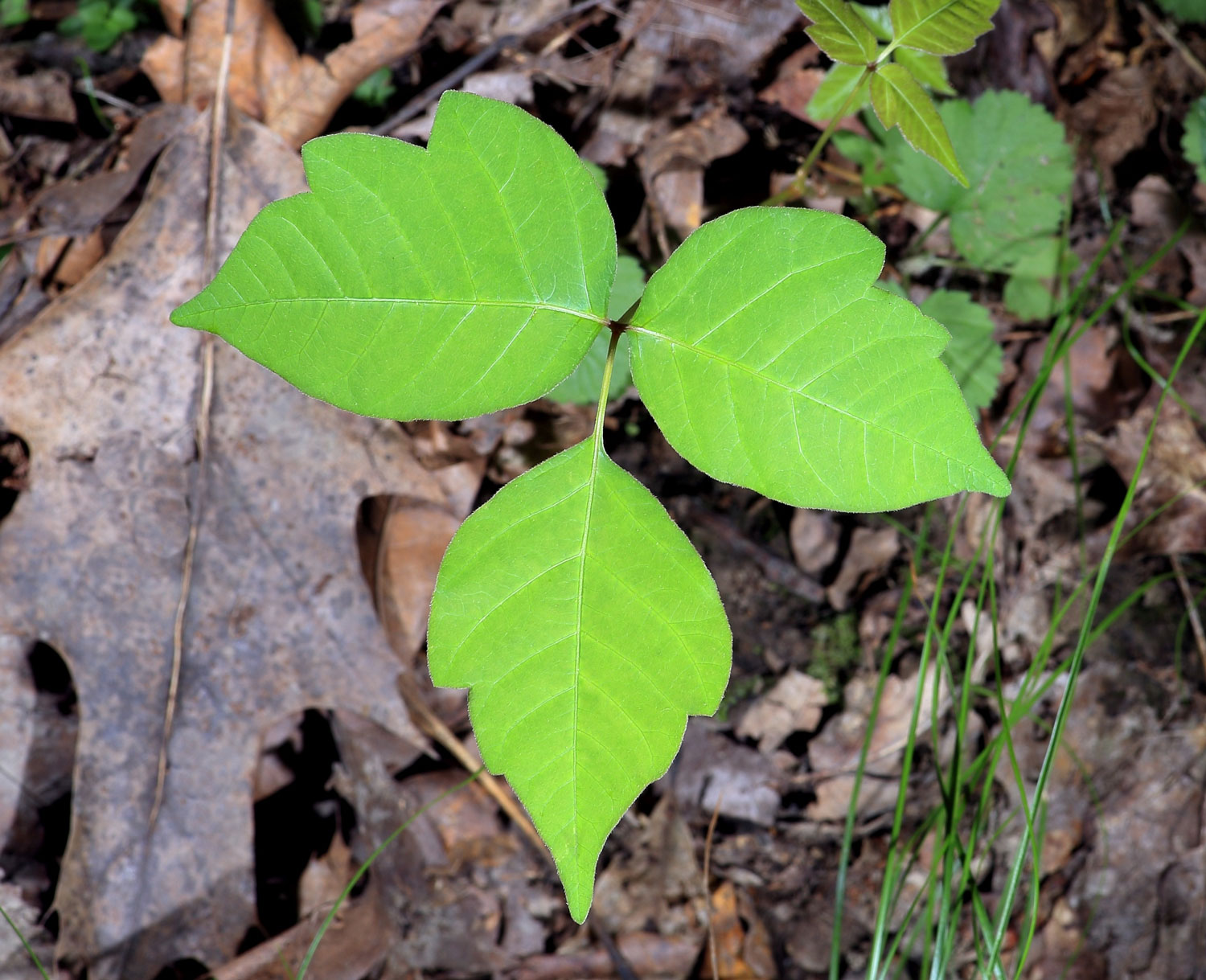
The best method: manual removal with root extraction
If you can physically remove poison ivy roots, that is usually the most reliable way to eliminate it without repeated treatments. This works best for small patches, young plants, and areas where you do not want to spray anything.
When to pull and dig
- After rain or after you water the area. Moist soil releases roots more easily.
- Cooler parts of the day so you are less likely to sweat and accidentally smear oil on your skin.
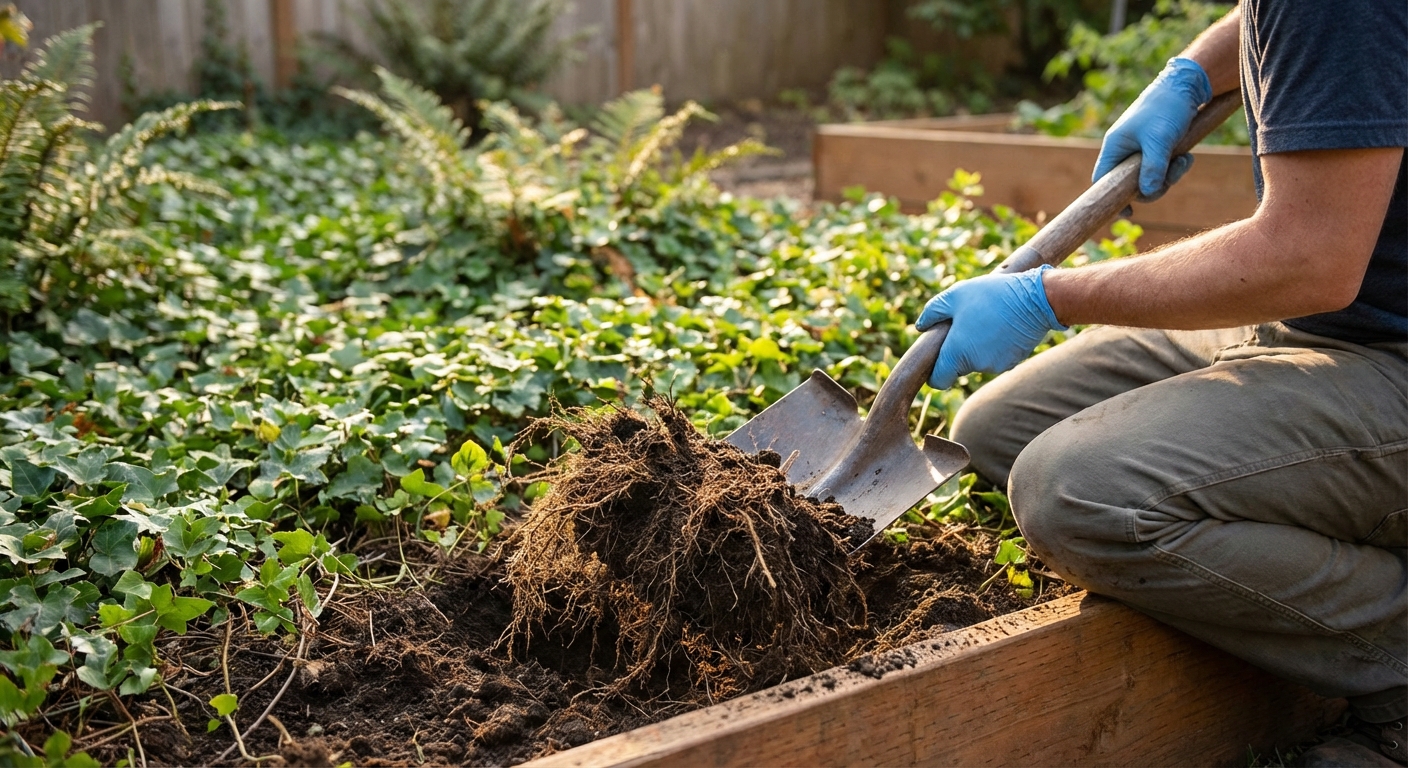
How to dig it out step by step
- Suit up in protective gear first.
- Trace vines to the base. Poison ivy often hides its main stem under leaf litter.
- Loosen soil with a shovel or garden fork 4 to 6 inches away from the stem to avoid snapping roots.
- Lift and pull slowly, trying to remove the main roots and runners.
- Bag everything immediately (heavy trash bag). Do not drag vines across the yard.
- Re-check the area for broken root pieces and small shoots.
Realistic expectation: if a root breaks, it can regrow. That does not mean you failed. It means you will likely need a second pass in a few weeks.
What about big climbing vines?
Thick vines climbing trees and fences are tougher. Pulling them can be risky and can damage bark or structures.
- Cut the vine at ground level using pruners or a saw you can clean afterward.
- Do not yank the upper vine down. Let it die in place. Dead vines eventually loosen.
- Plan to stop the roots from resprouting. For mature vines, the most reliable option is a cut-stump treatment with a systemic brush killer (commonly triclopyr, sometimes glyphosate) applied to the fresh cut surface per label directions. If you do not want to use herbicide, you can still win, but expect persistent regrowth and plan to repeatedly cut or spot-treat new shoots all season until the roots run out of energy.
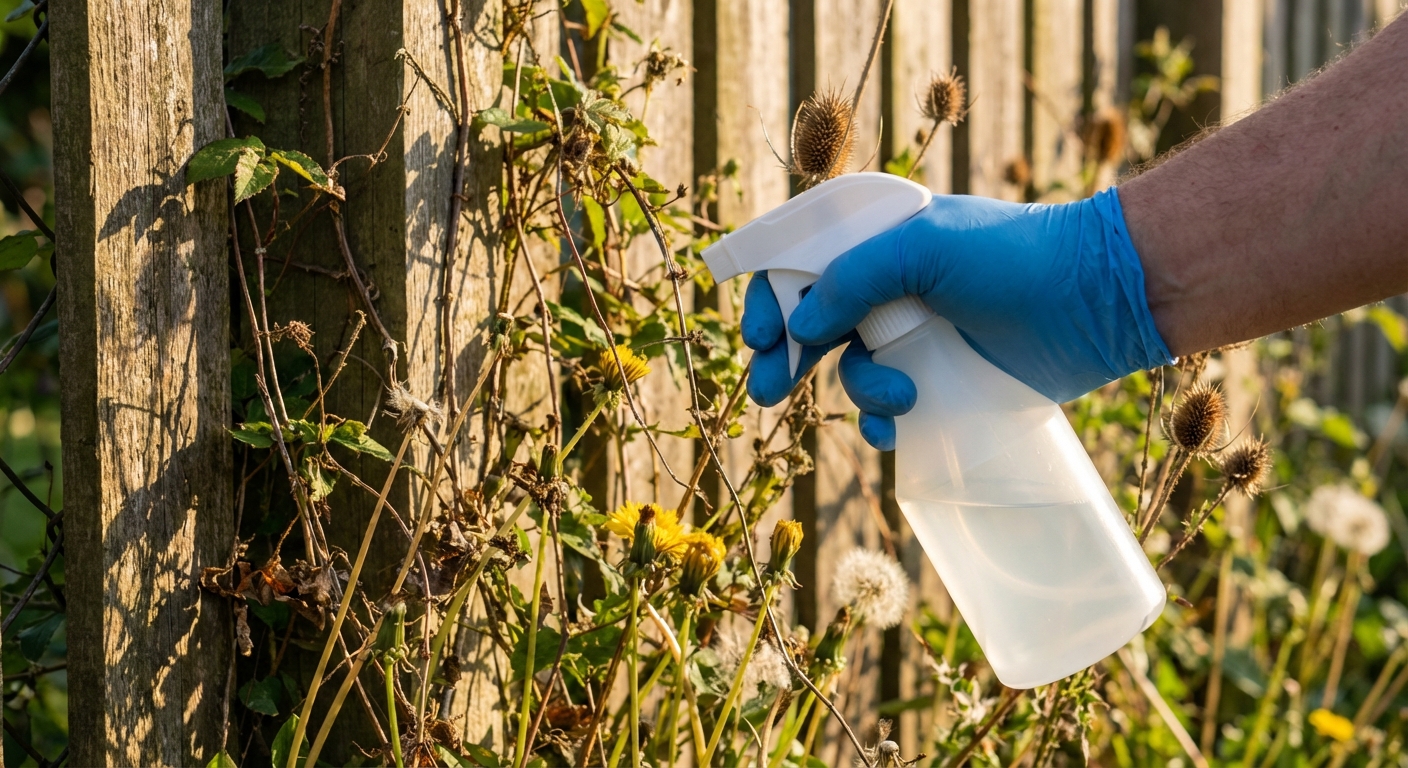
Natural ways to kill poison ivy (when digging is not enough)
Natural treatments can work best on small plants and fresh regrowth. They are less consistent on older, established root systems. If you use them, plan on repeat applications and ongoing cutting. Think of these as knockdown tools, not a one-and-done root killer for mature vines.
1) Vinegar spray
Horticultural vinegar (higher acetic acid than kitchen vinegar) can burn back leaves and stems. It is non-selective, meaning it can damage nearby grass and plants.
- How to use: Spray leaves to the point of wetness on a dry, calm day.
- Best for: Small plants, edges of patches, new shoots after cutting.
- Watch-outs: Can irritate skin and eyes. Wear protection. Avoid inhaling mist.
2) Boiling water
Boiling water can be effective on small plants growing in cracks, along fence lines, or isolated spots where you can pour precisely.
- How to use: Pour slowly at the crown where stems meet the soil.
- Best for: Tiny patches and seedlings.
- Watch-outs: It will kill surrounding plants and can scald you. Use extreme caution.
3) Salt (use sparingly)
Salt can desiccate plants, but it also damages soil structure and can make an area hard to replant. In most yards, salt is a last resort.
- How to use: Spot-apply only to the base of plants you cannot dig, and keep it away from desirable roots.
- Best for: Non-garden areas where you do not plan to grow anything.
- Watch-outs: Can create a long-term dead zone in the soil.
If you want a natural approach that is kinder to your yard, your best bet is usually digging plus smothering, not salting.
Smothering: a low-effort method that works with patience
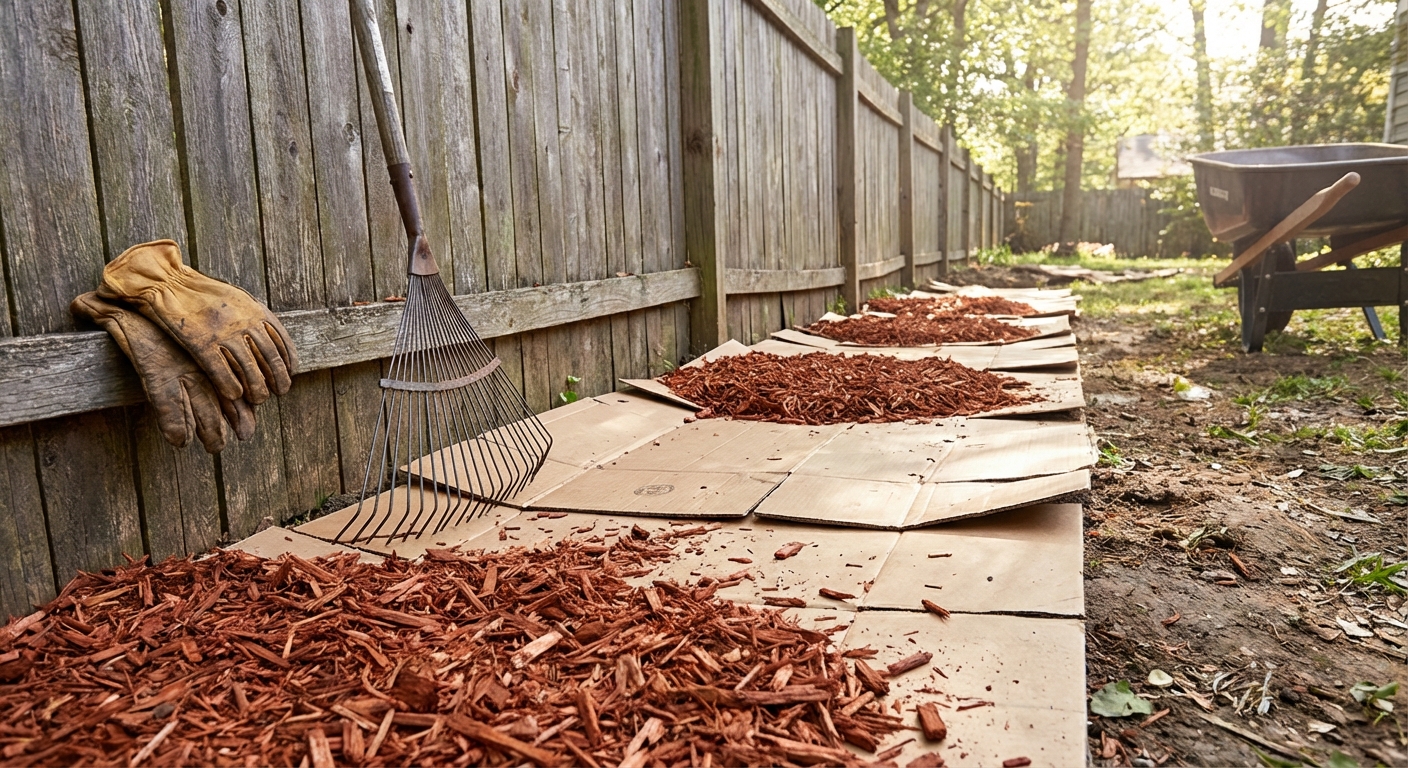
Smothering blocks light so poison ivy cannot photosynthesize. Over time, the roots exhaust their stored energy. This is a great option for patches in corners, along shed lines, or under shrubs where digging is miserable.
How to smother poison ivy
- Cut the vines low and bag the cuttings.
- Cover the area with thick cardboard or multiple layers of newspaper.
- Top with mulch (3 to 6 inches) to keep the cover in place and improve appearance.
- Leave it down for a full season if possible. Longer is better for established patches.
Tip: Check edges every couple weeks. Poison ivy loves to sneak out the sides. If you see shoots, pull them carefully or cut them and spot-treat them right away.
Disposal: how to get rid of it without spreading the oil
Disposal is where many people get re-exposed. Urushiol can remain active on dead plant material for a long time.
Bag it correctly
- Place vines, leaves, and roots into heavy-duty trash bags.
- Double-bag if the plant material is wet or thorny.
- Seal tightly and follow your local guidelines for yard waste. Some areas want it in trash, not in yard waste pickup.
Clean tools and gear
- Wash tools with hot water and a degreasing dish soap, scrubbing handles and metal surfaces. Rubbing alcohol can help remove oil from hard surfaces, especially grips and tool handles.
- Wash clothing separately in hot water with detergent. Run an extra rinse if possible.
- Gloves: disposable gloves should be bagged. Reusable gloves should be washed carefully without touching the outside.
Skin and pet cleanup
If you think you were exposed, wash skin as soon as you can with soap and water. Many people also keep a specialty urushiol-removing cleanser on hand (such as Tecnu or Zanfel). These can be especially helpful for hard-to-clean areas like under nails, and they can also help with washing up after handling contaminated gear. If you have pets that ran through the area, wipe them down with pet-safe soap and water or grooming wipes. Specialty cleansers are also commonly used for pet fur, but follow product directions and avoid getting it in eyes.
Keeping it from coming back
Poison ivy regrowth is common, especially after you cut or pull it. Plan for follow-up.
A simple follow-up schedule
- 1 to 2 weeks after removal: Inspect for new shoots and pull or spot-treat.
- Monthly through the growing season: Walk the area and check fence lines, tree bases, and brush edges.
- Next spring: Do a fresh scan before everything leafs out.
Reduce the conditions it likes
- Keep edges trimmed. Poison ivy loves neglected borders.
- Overseed thin lawn areas so desirable grass outcompetes seedlings.
- Mulch garden paths and fence lines to reduce open soil where it can establish.
When to call a professional
Sometimes the best DIY move is knowing when to stop.
- Large patches spread through brush where you cannot easily see what you are touching.
- Vines high in trees, especially near power lines.
- Severe reactions in your household, or a history of serious sensitivity.
- Properties where poison ivy keeps returning year after year despite repeated removal.
A licensed professional can remove it efficiently and reduce the chance of exposure. If you do hire out, ask how they avoid spreading urushiol and how they dispose of plant material.
FAQ
Will poison ivy die if I cut it to the ground?
Cutting alone usually is not enough. It often resprouts from the roots. Cutting is a good first step, but follow it with root removal, smothering, repeated shoot removal, or a cut-stump treatment for mature vines.
How long does it take to kill poison ivy?
Small plants can be eliminated in a single afternoon if you remove roots. Established patches often take several weeks of follow-up, sometimes a full season with smothering. Large vines can take persistent follow-up over a growing season if you are relying on cutting and natural knockdown methods.
Can I just pull it with gloves and be fine?
Gloves help, but oil can get on sleeves, tools, shoes, and your skin when you take gloves off. The cleanup is as important as the pulling.
Is this the same as treating poison ivy rash?
No. This page is about killing and removing the plant. If you have a rash, follow medical guidance and seek care for severe symptoms, especially facial swelling or breathing issues.