How to Kill Bamboo in Your Yard

Jose Brito
I’m Jose Britto, the writer behind The Country Store Farm Website. I share practical, down-to-earth gardening advice for home growers—whether you’re starting your first raised bed, troubleshooting pests, improving soil, or figuring out what to plant next. My focus is simple: clear tips you can actually use, realistic expectations, and methods that work in real backyards (not just in perfect conditions). If you like straightforward guidance and learning as you go, you’re in the right place.
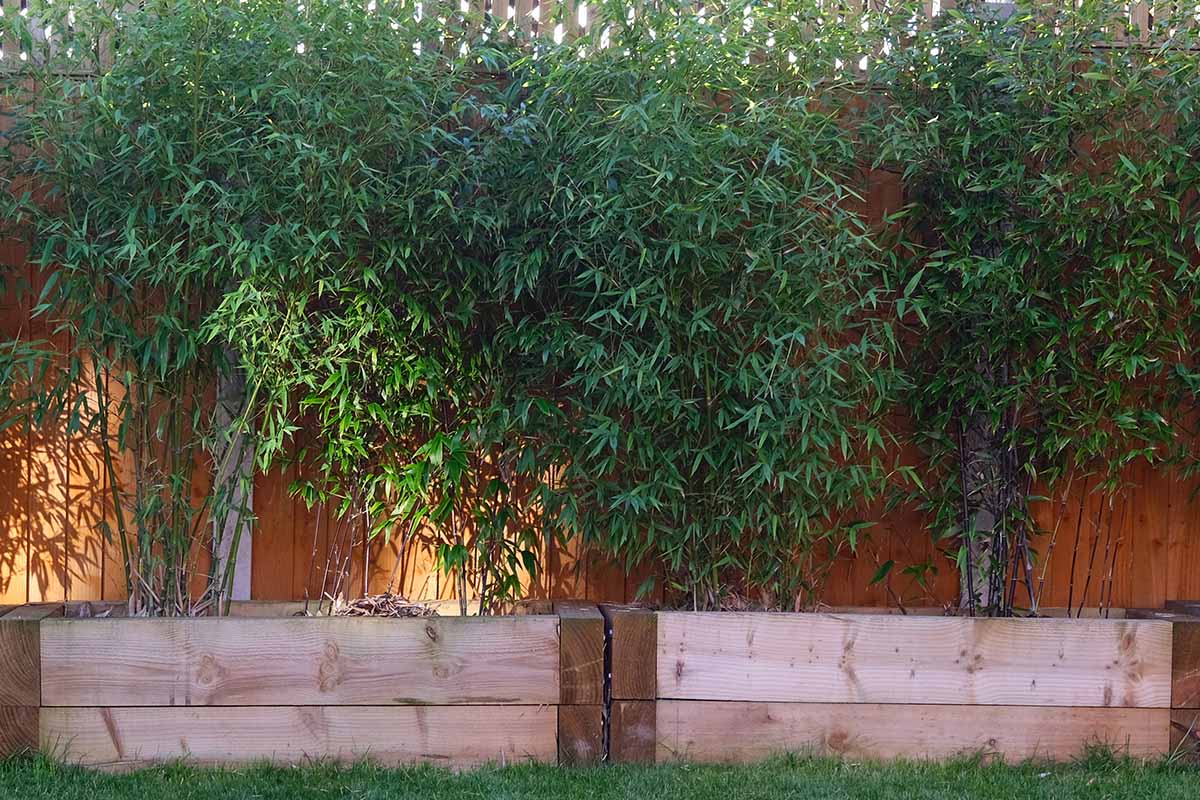
Bamboo has a way of starting as a “nice privacy screen” and turning into a full-blown yard takeover. The hard part is that bamboo does not behave like a normal shrub or ornamental grass. If you only cut the canes, it usually just responds by pushing up new shoots from underground stems called rhizomes.
The good news is you can get rid of it. The key is matching the method to the type of bamboo you have and then sticking with follow-up long enough to drain the plant’s stored energy.
First: figure out what kind of bamboo you have
For homeowners, bamboo usually shows up in two common growth habits. If you treat them the same, you can waste a lot of time.
Running bamboo (the aggressive one)
Running bamboo spreads by long underground rhizomes that can travel several feet and send up new shoots wherever they feel like it. This is the kind that pops up in the lawn, in garden beds, and sometimes in the neighbor’s yard.
- What it looks like: New shoots appear away from the main patch, often in a line or scattered pattern.
- Why it’s hard: Those rhizomes store energy and keep pushing shoots even after you cut down the canes.
Clumping bamboo (more contained, not always harmless)
Clumping bamboo expands outward from a tighter crown. It can still get too big, and some “clumpers” can creep more than people expect, but it is usually not the “invading the whole block” situation.
- What it looks like: Shoots come up close together in one expanding clump.
- Why it’s often easier: You can usually focus removal on the main root mass instead of chasing runners across the yard.
If you are not sure: Watch where new shoots emerge in spring and early summer. If they appear well outside the main patch, treat it as running bamboo.
What actually kills bamboo
To kill bamboo, you have to stop photosynthesis and exhaust the rhizomes, or you have to deliver an herbicide into the plant’s transport system, or both. In real backyards, the fastest results often come from combining methods.
- Cutting alone: can work, but usually only if you keep at it relentlessly.
- Cutting + smothering: effective if you cover the entire infested area and stay patient.
- Targeted herbicide (cut-culm or foliar): often effective when done correctly and repeated as needed.
- Digging: works best on clumping bamboo and small running patches, but it is labor-heavy.
- Root barriers: do not kill bamboo by themselves, but they prevent reinvasion and help you control borders.
Method 1: Cut and keep cutting
This is the simplest method, but it is not the fastest. It works by forcing the bamboo to use up stored energy to keep making new shoots, then removing those shoots before they can recharge the rhizomes.
Steps
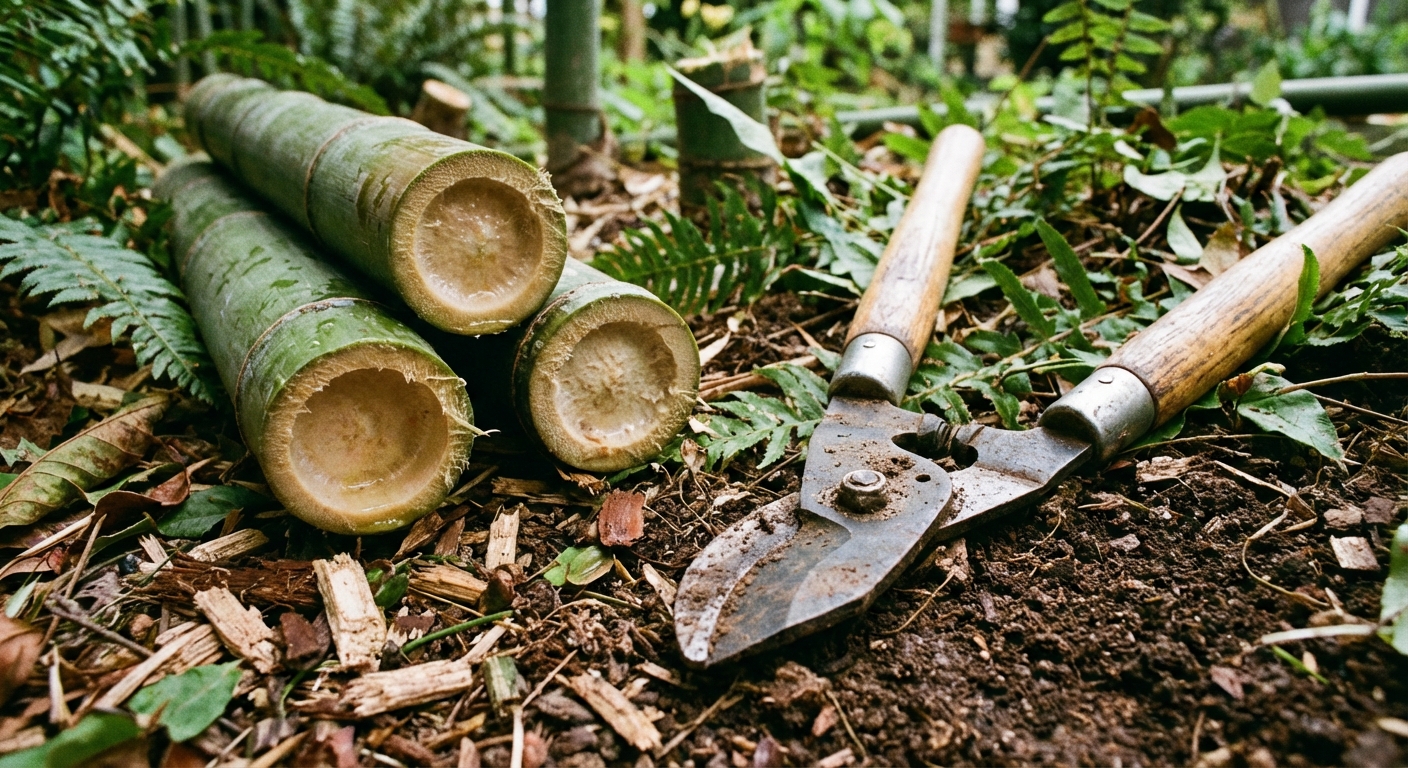
- Cut all canes (culms) as low to the ground as you can. Use loppers, a pruning saw, or a reciprocating saw for thick stems.
- Rake and remove debris so you can see new growth quickly.
- Repeat every time you see new shoots, cutting them immediately while they are small and tender.
Timing tip: New shoots are easiest to deal with when they are under 1 to 2 feet tall. Once they leaf out, they start refueling the rhizomes.
What to expect: For running bamboo, this often takes a full growing season, sometimes two, depending on how established it is and how consistently you cut.
Shortcut for open areas: In lawns or flat, open patches, repeated mowing can help “scalp” shoots as part of the cut-and-repeat routine. It is still a persistence game.
Method 2: Cut and smother
Smothering works by blocking light and physically stopping shoots from leafing out. It can be very effective, but only if you cover the entire area where rhizomes are present. With running bamboo, that area is often larger than you think.
Materials
- Heavy cardboard (plain, no glossy coating) or thick contractor paper
- Opaque tarp or heavy-duty landscape fabric (optional but helpful)
- Mulch, wood chips, or soil to weigh it down
Steps
- Cut everything down first so you are not trying to cover a jungle.
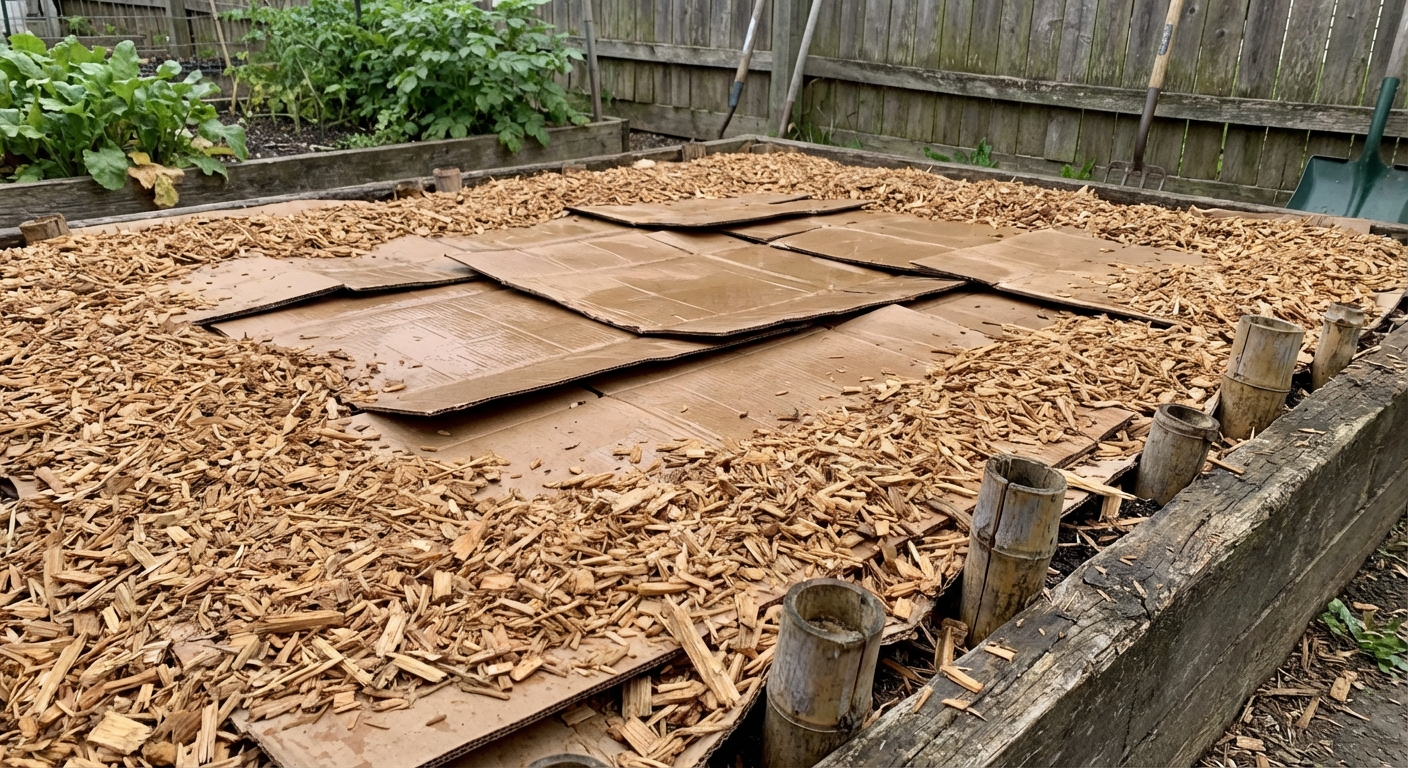
- Lay cardboard in overlapping layers (at least 6 inches overlap). Aim for 2 to 3 layers in stubborn spots.
- Add a tarp on top if you want to speed things up. A black tarp blocks light better than most fabrics.
- Weight it down with 4 to 6 inches of mulch or with boards, rocks, and stakes.
- Check edges weekly and stomp or cut any shoots that sneak out.
How long to leave it: Plan on at least one full growing season. Two is safer for running bamboo. If you uncover too early, the rhizomes can rebound.
Common mistake: Leaving gaps. Bamboo will find light at the edge and push out from there.
Method 3: Herbicide on bamboo
If you are dealing with running bamboo that has spread widely, herbicide may be the most realistic path to success. The trick is application method and timing. Foliar spraying can work, but it often disappoints when coverage is spotty, the timing is off, the plant is stressed, or regrowth gets cut too soon after treatment. (The leaf surface can also shed spray, which does not help.)
In many yards, the best results come from a deliberate cut then treat approach so the product moves into the rhizomes.
Choose one approach
- Cut-culm treatment: Cut a cane and apply herbicide to the fresh cut surface right away. This can be very targeted, but results vary by species and stand density, and repeats are commonly needed.
- Regrowth foliar treatment: Cut everything down, let it regrow to about 2 to 3 feet with leaves, then spray the foliage so it translocates down to the roots. Many people get better whole-patch control this way, especially on big infestations.
Active ingredients people use
- Glyphosate (systemic, non-selective). Works best when applied at the right time on healthy growth.
- Imazapyr (systemic, non-selective). Can be effective on tough infestations but has soil activity and can affect nearby desirable plants through roots, so it requires extra caution.
Important: Always follow the label for mixing, protective gear, and where it can be used. Labels vary by product and region, and some areas restrict certain herbicides or methods.
Best timing
Late summer into early fall is often effective because the plant is moving carbohydrates down into the rhizomes. Exact timing depends on climate and species. In warm climates where growth stays active longer, your “best window” may shift later.
How to do a cut-culm treatment
- Cut canes low.
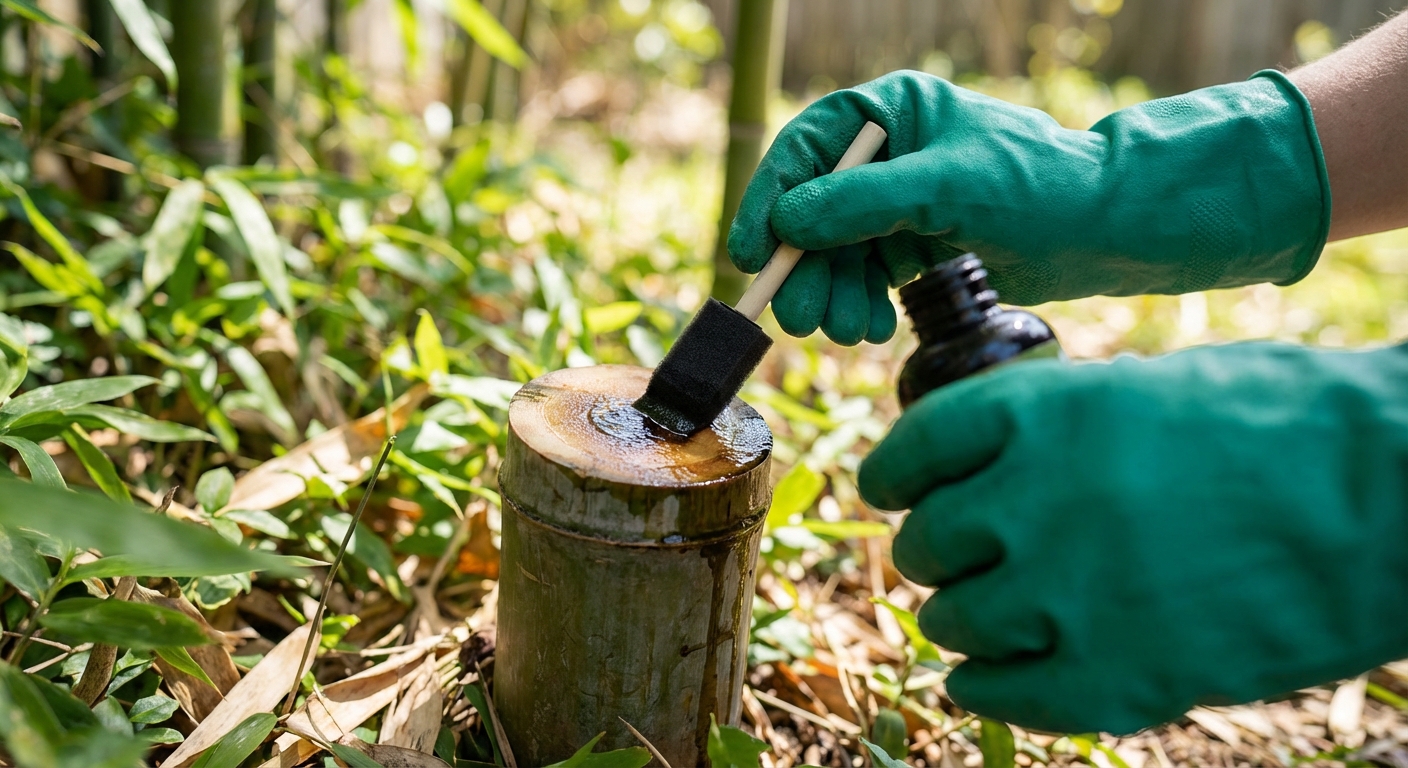
- Immediately apply herbicide to the cut surface of each culm. A small foam brush or sponge applicator keeps it targeted.
- Do not mow or cut regrowth for a couple weeks so the herbicide can move through the plant.
- Repeat on any new shoots that appear. With established running bamboo, plan on more than one pass.
Safety note: Keep herbicide off surrounding plants and out of water. If bamboo is near a stream or pond, use products labeled for aquatic or riparian use and follow local rules.
When to hire a pro: If the patch is huge, borders a waterway, is tangled through ornamentals you want to keep, or has become a neighbor dispute, a licensed applicator or experienced bamboo removal crew can save you months of trial and error.
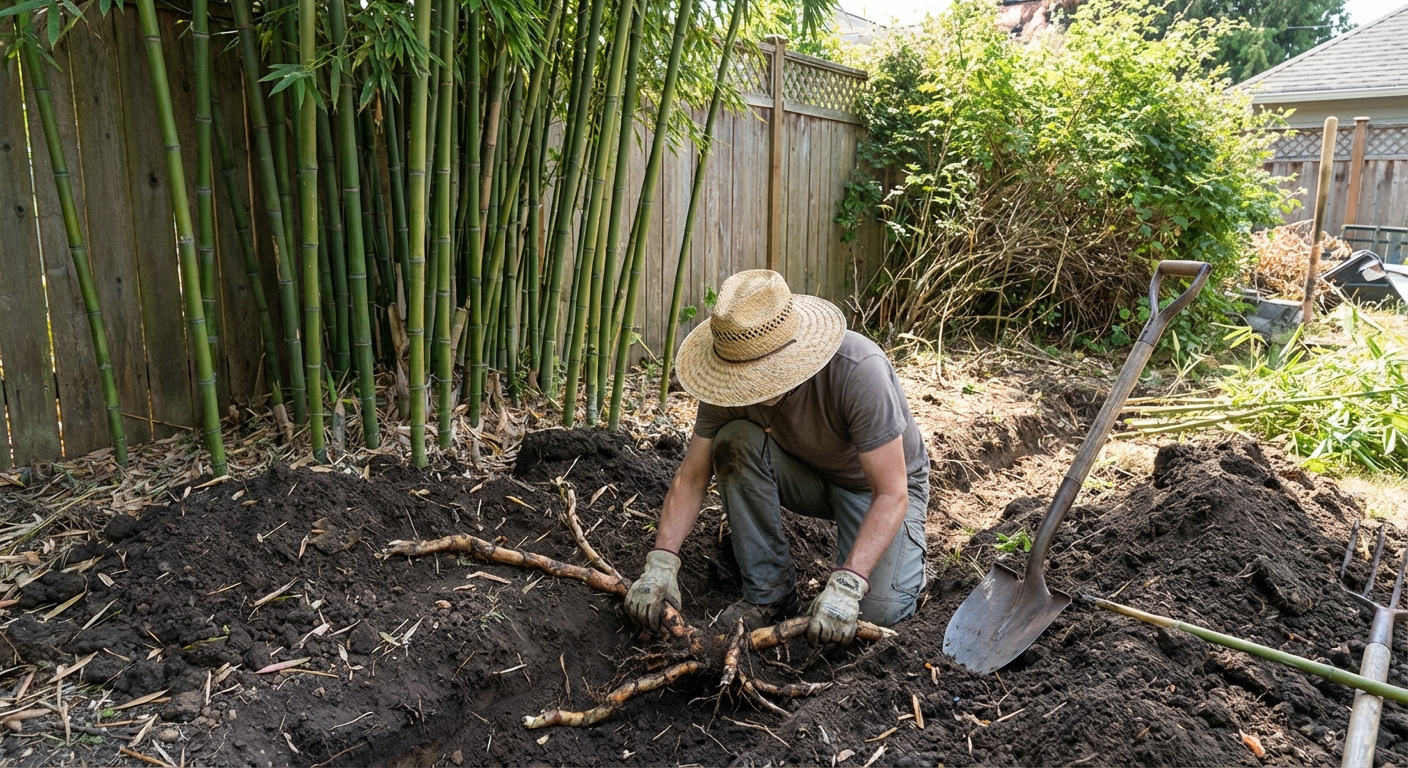
Method 4: Dig it out
Digging is straightforward in theory: remove the rhizomes and the crown, and the bamboo cannot return. In practice, it is a workout.
When digging makes sense
- You have clumping bamboo in a contained area.
- The patch is small enough that you can realistically remove most of the root mass.
- You are already reworking the area with a mini excavator or major landscaping.
Tools that help
- A sharp spade shovel
- A mattock or pick for chopping dense roots
- A pruning saw or root saw for thick rhizomes
Steps
- Water the area the day before. Slightly moist soil digs cleaner than dry, hard ground.
- Cut the canes down to waist height so you have handles to tug and lever.
- Dig around the perimeter, then work under the root mass.
- Pull out and remove rhizome sections. For running bamboo, follow rhizomes outward and keep removing what you find.
- Screen the soil if you can. Even small rhizome fragments can resprout.
Reality check: With running bamboo, digging often becomes a “whack-a-mole” job unless you combine it with follow-up cutting or smothering. Treat digging as a way to reduce the mass, not always a one-and-done cure.
Dispose of it correctly
Cut canes are usually safe to dry out and dispose of as yard waste (or reuse as stakes). The part you do not want to casually toss is the rhizomes.
- Do not dump bamboo debris in woods, ditches, or vacant lots.
- Avoid composting rhizomes at home unless you are 100 percent sure they will fully dry out and die.
- Bag or bundle rhizomes for disposal based on your local yard waste rules.
- If you are unsure, let rhizomes dry completely on a hard surface in the sun before disposal.
Stop it from coming back
Once you have bamboo on the run, killing what you see is only half the job. The other half is stopping reinvasion from leftover rhizomes or from a neighboring stand. If bamboo is crossing property lines, coordinating with neighbors can save everyone time and money. Some areas also treat running bamboo as a nuisance plant with specific local rules, so it is worth a quick check.
Root barrier basics (running bamboo)
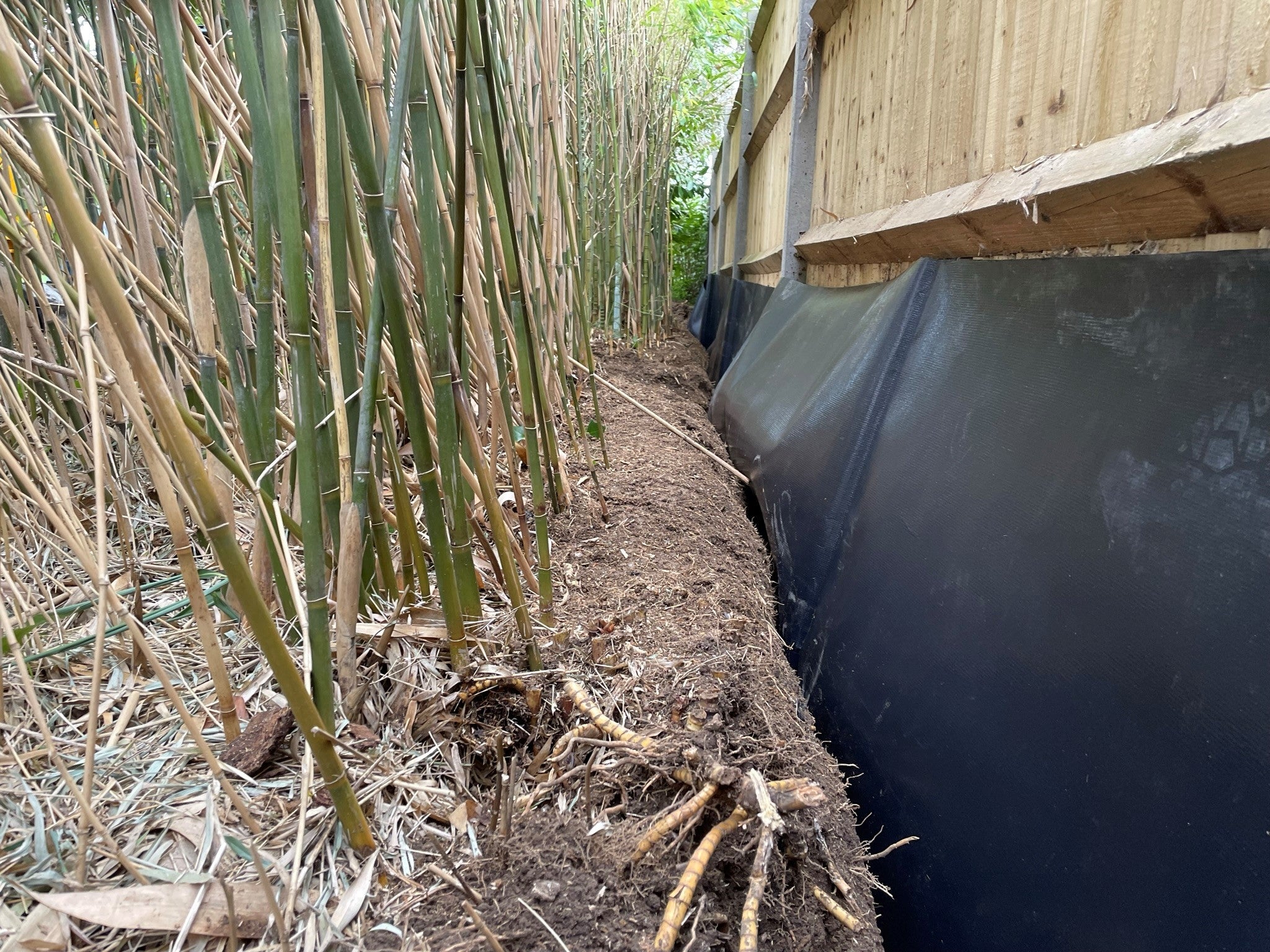
- Material: Use HDPE bamboo barrier designed for rhizomes. Thin landscape edging is not enough.
- Depth: Many barriers are installed roughly 24 to 30 inches deep, but some situations call for deeper. Follow product guidance and consider your bamboo type and soil.
- Above-grade lip: Leave about 2 to 3 inches above the soil line so rhizomes do not hop over the top unnoticed.
- Angle: Many installers tilt the barrier slightly outward so rhizomes hit it and ride up where you can spot and cut them.
- Seams: Overlap and fasten per manufacturer instructions. Weak seams are where escapes happen.
Maintenance: Even with a barrier, you still need to inspect the border a few times each growing season and cut any rhizomes trying to climb. Also re-check after heavy rain, erosion, or frost heave that can expose gaps.
Trench method (a practical alternative)
If a barrier is not in the budget, a trench can work as a monitoring strip.
- Dig a trench 8 to 12 inches deep along the edge you want to protect.
- Keep it clear so you can see rhizomes when they cross.
- Cut and remove any rhizomes that enter the trench.
Ongoing maintenance plan
Bamboo removal is usually won in the follow-through. Once you knock it back, you need a simple routine so it does not sneak back in.
For the next 12 months
- Walk the area weekly in spring and early summer when shoots are most active.
- Cut any new shoots immediately at ground level.
- Do not let regrowth leaf out unless you are intentionally doing a foliar herbicide treatment.
- Check borders and fence lines closely. Rhizomes often travel along edges and compacted paths where digging is harder and they can go unnoticed.
After it seems “gone”
- Inspect monthly during the growing season.
- Keep the area planted or mulched so you notice new shoots faster.
- If bamboo returns from a neighbor’s yard, focus on a barrier or trench on that side. Otherwise you will be fighting forever.
Running vs clumping
If you have running bamboo
- Best overall approach: Cut everything, then either smother the full area or use a systemic herbicide timed for best translocation, plus border control.
- What usually fails: Cutting once, mowing occasionally, or trying to dig every rhizome without a plan.
If you have clumping bamboo
- Best overall approach: Dig out the clump, remove as much of the root mass as possible, then monitor for a season.
- What usually fails: Leaving the crown in place. If the heart of the clump stays, it will rebound.
FAQ
Will vinegar or salt kill bamboo?
They may burn leaves, but they typically do not kill established bamboo rhizomes. Salt can also ruin soil structure and harm nearby plants long-term. For most yards, it creates more problems than it solves.
How long does it take to kill bamboo?
Small clumps can be removed in a weekend if you dig them out. Established running bamboo usually takes a full season of consistent work, sometimes two, depending on spread, climate, and follow-through.
Can bamboo grow back from cut pieces?
Cut canes usually do not root like some shrubs do, but rhizome pieces left in soil can resprout. That is why cleanup and follow-up matter.
What if it keeps coming from the neighbor’s yard?
You will need a border solution: a proper bamboo barrier or a maintained trench. If possible, coordinate timing with your neighbor so you are not treating your side while their stand keeps feeding new rhizomes into your yard.
The simplest plan
If you want a practical, no-nonsense plan, here is the one I see work most often for homeowners:
- Week 1: Cut all bamboo to the ground and remove debris.
- Weeks 2 to 12: Either cut new shoots immediately every time they appear, or let regrowth leaf out and do one targeted foliar herbicide treatment when conditions and timing are right.
- Month 3 onward: Smother the area if you are going non-chemical, or continue cutting any escapes if you treated with herbicide. Repeat treatments are common with running bamboo.
- All season: Install a barrier or maintain a trench if there is any chance of bamboo reinvading.
Bamboo is persistent, but it is not magic. Once you stop it from making leaves and stop it from sneaking in from the edges, it eventually runs out of fuel.