How to Keep Cats Out of Your Garden

Jose Brito
I’m Jose Britto, the writer behind The Country Store Farm Website. I share practical, down-to-earth gardening advice for home growers—whether you’re starting your first raised bed, troubleshooting pests, improving soil, or figuring out what to plant next. My focus is simple: clear tips you can actually use, realistic expectations, and methods that work in real backyards (not just in perfect conditions). If you like straightforward guidance and learning as you go, you’re in the right place.
Cats can be wonderful neighbors, right up until they decide your freshly worked garden bed is the perfect place to dig, nap, or use as a litter box. The good news is you can protect your beds without harming cats or turning your yard into a fortress.
This guide focuses on humane, practical deterrents that work in real backyards: smells cats may avoid, surfaces they do not like to walk on, simple barriers, motion-activated water, and a few plants that can help.
Quick reality check: Cat deterrents are rarely one-size-fits-all. Results vary by cat, weather, and how established the habit is. The most reliable approach is pairing a physical barrier with an unpleasant surface texture, then adding scent as a bonus.
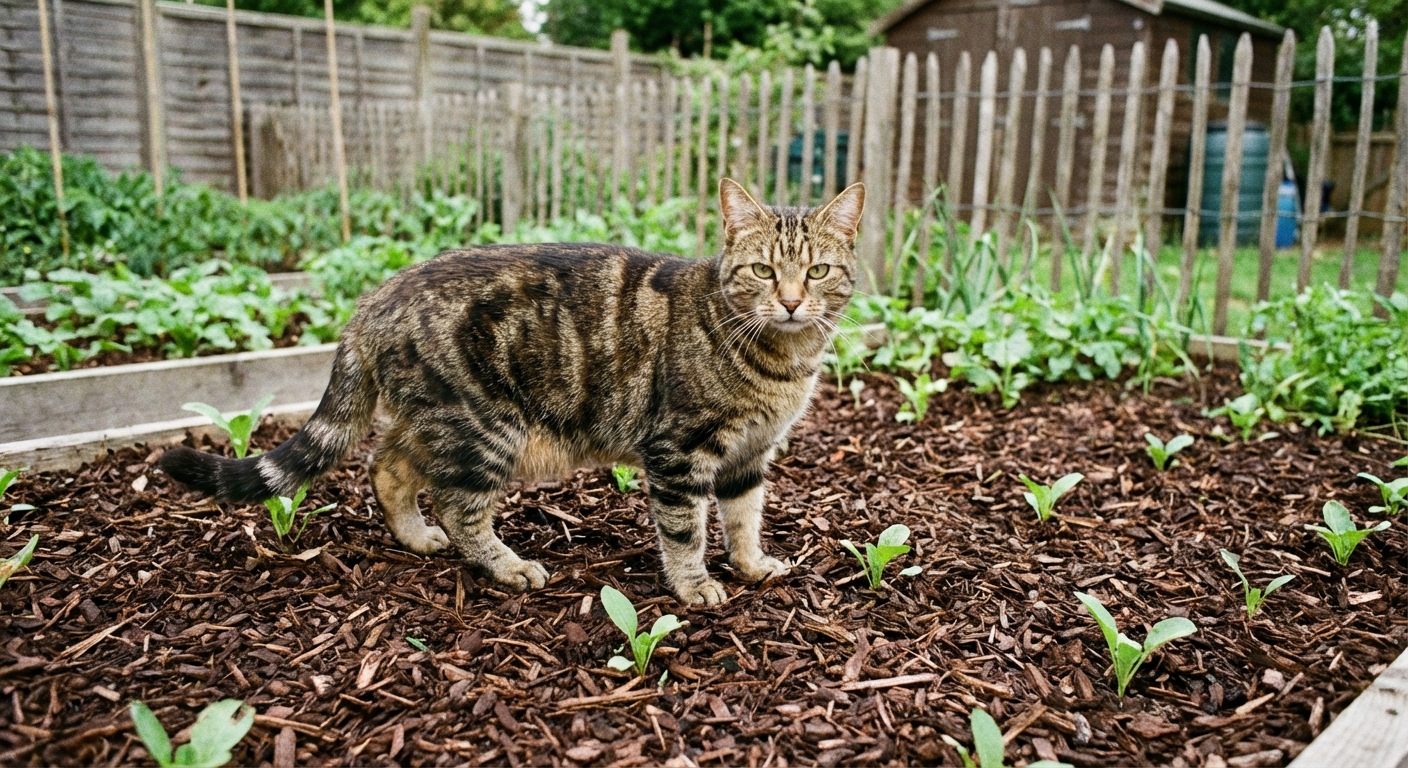
Why cats target garden beds
If you understand what is attracting cats, it is much easier to choose the right fix.
- Loose, dry soil is easy to dig and cover, which appeals to their instincts.
- Warm, sunny spots in raised beds make comfy lounging areas.
- Mulch and compost can hold scents that draw curiosity.
- Territory marking is common when multiple outdoor cats roam the same area.
Most of the time, the goal is to make your beds slightly inconvenient and unappealing, not to “fight” the cat. A few small changes usually do it.
Start with the easiest wins
Cover beds when they are most tempting
Newly planted beds and freshly amended soil are cat magnets. For the first week or two after you work a bed, cover it.
- Seeded beds: Lay floating row cover or garden fabric over hoops.
- New transplants: Use a low tunnel, cloche, or a simple mesh cover supported by stakes.
- Empty beds: Cover with cardboard, burlap, or landscape fabric until you are ready to plant.
Once plants fill in and soil is less diggable, the problem often drops off.
Clean up bathroom cues
If a cat has already used a bed, clean it up promptly.
- Scoop out feces and any soiled mulch.
- Rinse thoroughly with water to help reduce lingering odor in the area.
- If odor marking seems persistent, consider an enzymatic pet-odor cleaner used according to the label and only where appropriate for outdoor soil and nearby plants.
- Lightly disturb the surface soil and then add a deterrent layer (see below).
Food garden hygiene (worth a minute)
If cats are defecating in edible beds, use gloves for cleanup, wash hands afterward, and take extra care washing produce, especially leafy greens and anything close to the soil. This is a simple precaution against parasites such as toxoplasmosis, not a reason to panic.
Scent repellents (best as a helper)
Scent deterrents work best when you refresh them regularly and pair them with a physical barrier or rough mulch. Think of scents as a nudge, not a permanent fence.
How long do they last? In dry weather, many scent options last a couple of days. Rain, irrigation, and strong sun can cut that down fast. Rotating scents can also help reduce habituation.
Citrus peels
Many cats dislike citrus oils, but not all.
- Scatter orange, lemon, or grapefruit peels around the edges of beds.
- Replace every few days, especially after rain.
- Keep peels on top of the soil, not buried, so the smell stays noticeable.
Lavender and rue (fresh or dried)
Lavender and rue are commonly mentioned as cat-repellent scents. They may help around bed borders and entry points, especially when cats brush past the foliage.
- Tuck small bundles of dried lavender near problem spots.
- If planting, keep them along the perimeter where the foliage can be brushed and release scent.
Note: Rue can be irritating to skin for some people, so wear gloves when handling it.
Simple herb clippings
If you already grow strong-smelling herbs, use your prunings.
- Rosemary, lavender, mint (kept contained), and thyme clippings can be scattered lightly on the soil surface.
What to skip
Avoid anything that could harm animals or contaminate food gardens.
- Mothballs: toxic to pets and wildlife.
- Hot pepper powders: can irritate eyes and noses, and wind can blow it around.
- Essential oils applied to soil: concentrated oils can be harsh on plants and soil life.

Physical barriers that stop digging
If cats are digging, barriers are your best long-term fix. You do not need anything fancy, just something that blocks paws from getting into loose soil.
Mesh on the soil
This is one of the most reliable methods for beds that are getting scratched up.
- Lay down rigid hardware cloth (often the safest, most durable choice) or plastic bird netting over the soil surface.
- Cut holes where your plants are, then stake the edges down securely.
- As plants grow, they cover the mesh and you barely notice it.
Safety note: If you use netting, keep it taut and securely pinned so it cannot bunch up. Loose netting can entangle wildlife. Check it occasionally, especially after wind or heavy rain.
Low edging fence
A low fence does not need to be tall. It just needs to make access annoying and reduce casual hopping.
- Install 18 to 24 inch garden edging or small welded wire fencing around beds.
- Angle the top outward slightly if possible, which can make hopping in less appealing.
Sticks and twiggy cover
This is the budget classic, and it works better than it looks.
- Place short sticks, bamboo skewers, or pruned twigs upright throughout the bed, spaced a few inches apart.
- Focus on bare soil areas between plants.
You are not trying to create a hazard, just a surface that feels crowded and inconvenient to step into.

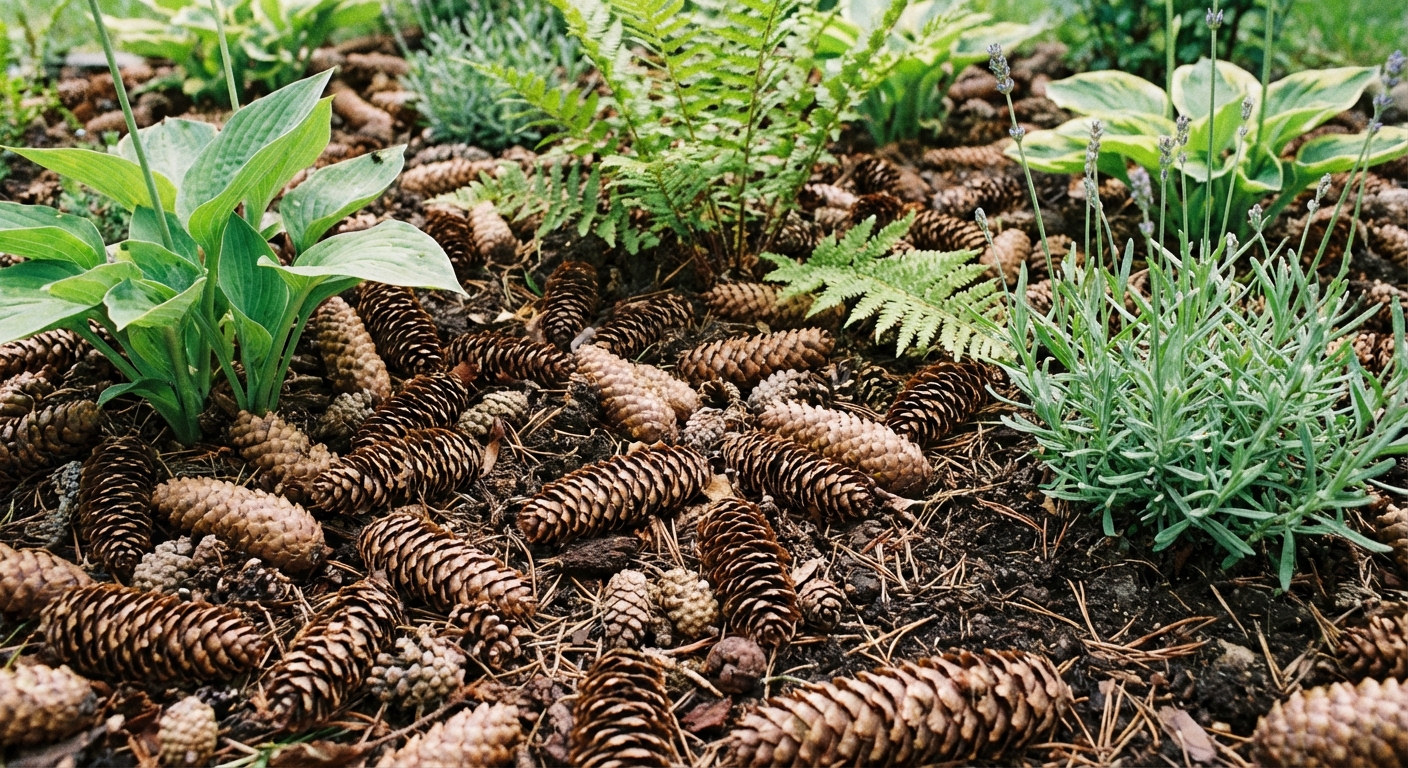
Rough mulch cats dislike
Cats prefer soft, fine materials they can dig and rake. Switching the texture on top can be a game changer in both raised beds and in-ground beds.
Good options
- Pine cones: awkward to step on and hard to dig through.
- Coarse wood chips: chunkier chips are less inviting than fine mulch.
- Sharp, coarse gravel (ornamental beds): not ideal for veggie beds, but great for pathways and borders cats use.
Use caution
- Cocoa hull mulch: can be harmful to dogs if eaten (risk depends on dose) and can get moldy. It also is not always effective for cats.
- Fine, fluffy mulches: these can actually make digging easier.
If you garden in raised beds, even adding a temporary top layer of pine cones or chunky chips during high-traffic weeks can reduce visits fast.
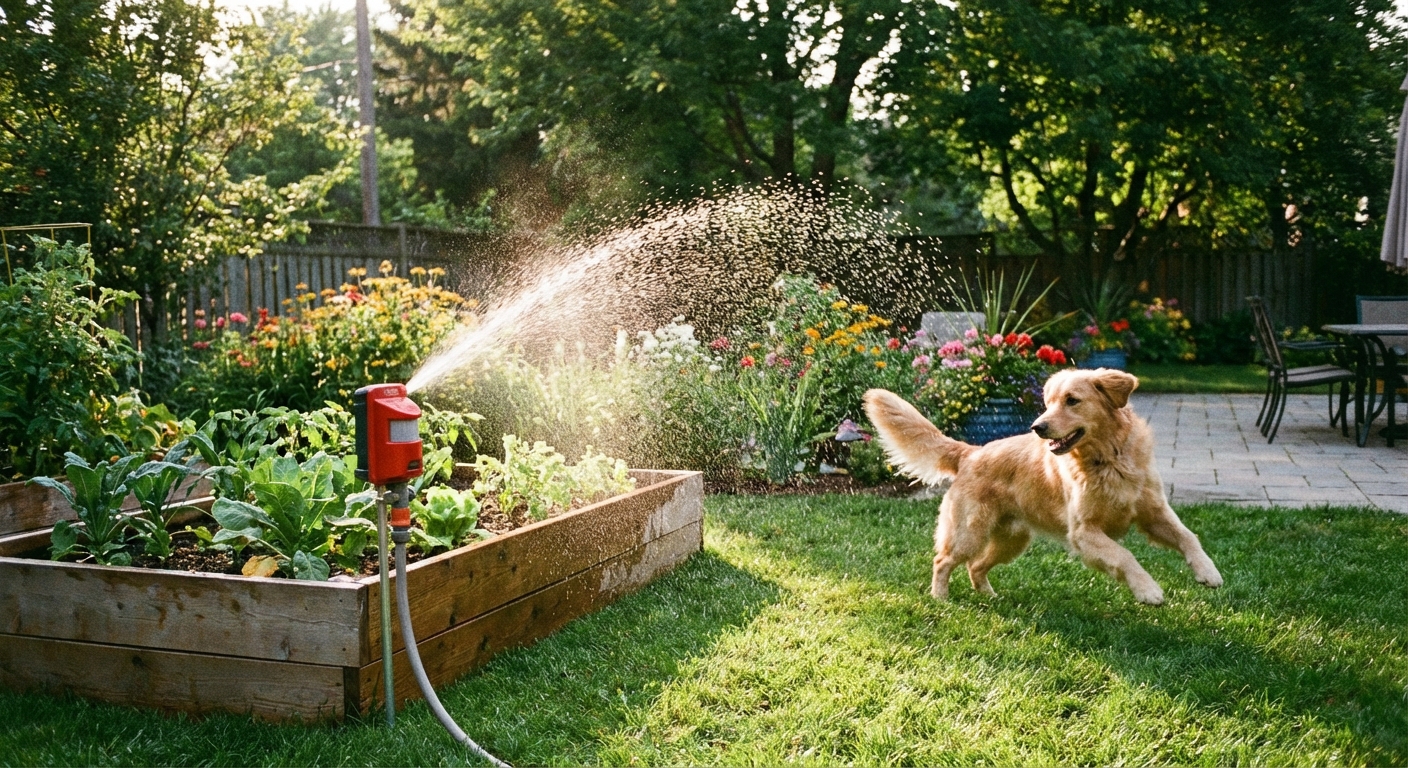
Motion sprinklers (repeat offenders)
If one or two cats keep returning no matter what you do, motion-activated sprinklers are one of the most effective humane deterrents. Cats learn quickly that your garden is not worth the surprise.
Tips
- Aim carefully: cover the bed and the approach route, not your patio.
- Use at night too: many cats visit after dark, so leave it armed when possible.
- Give it 1 to 2 weeks: once the habit breaks, you may be able to reduce use.
These work because they combine movement, sound, and a harmless burst of water. That is a strong message without causing injury.
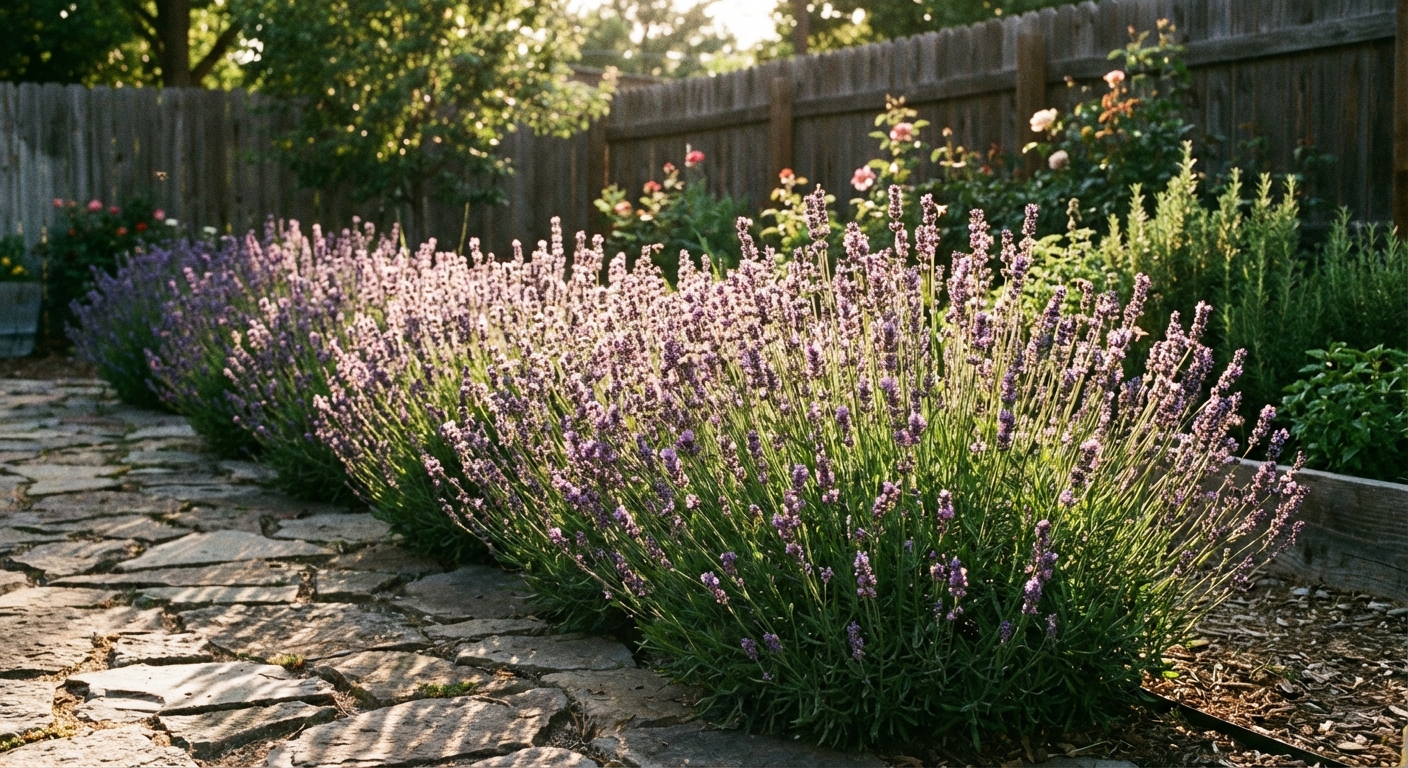
Plants that may help
No plant is a magic force field, but a few can help when planted along bed borders, especially when paired with mulch and barriers.
Good choices
- Lavender: strong scent, drought-tolerant once established.
- Rue: strong-smelling foliage, best in ornamental borders and handled with gloves.
- Rosemary: woody texture and scent can help along edges.
- Coleus canina (often sold as “scaredy cat plant”): mixed real-world results, but some gardeners swear by it in problem areas.
Placement matters: Put these where cats enter, such as along a fence line, bed corners, or the gap between a bed and a walkway.
Make the whole yard less inviting
If cats are using your garden as their regular hangout, it helps to change the welcome signs around the whole space.
Block lounging spots
- Move boards, flat stones, or warm surfaces they nap on.
- Use lattice or low garden fencing to block access under shrubs and decks where they hide.
Rethink bird feeders
Bird activity can attract cats that are hunting. If you feed birds, keep feeders away from garden beds and add a baffle or place them where cats cannot stalk easily.
Offer an alternative (optional)
If the cats are yours or a friendly neighborhood cat you do not mind having around, you can redirect them.
- Create a small sand dig box away from beds and keep it clean.
- Place it in a quiet corner and refresh the sand occasionally.
What not to do
It is tempting to escalate when plants keep getting dug up, but some solutions create bigger problems than the cats.
- Do not use poisons or toxic repellents. They can harm pets, wildlife, and kids.
- Avoid glue traps or harmful devices. They are inhumane and can lead to injury.
- Skip ammonia and bleach solutions in the garden. They can damage plants and soil and create dangerous fumes.
If this is a neighborhood cat issue, a calm conversation can go a long way. Many owners do not realize their cat is using your beds as a litter box.
You can also check whether your area has leash or containment rules, or a local TNR or community-cat program. If the issue is persistent and you are dealing with multiple cats, your local humane society or animal services may be able to suggest next steps.
A simple plan
If you want a straightforward approach, here is what I would do first before buying anything expensive.
Week 1
- Remove any mess, rinse the area, and top-dress with a rough mulch like pine cones or chunky chips.
- Add sticks or skewers in any bare spots.
- Use citrus peels around the edges and refresh every few days.
Week 2
- If digging continues, lay hardware cloth or taut, securely pinned netting flat on the soil.
- Consider a small border fence if cats hop in from one side repeatedly.
If needed
- If you are still seeing repeat visits, install a motion-activated sprinkler for 1 to 2 weeks to break the habit.
Most gardeners do not need every method. A barrier plus a surface texture change solves the majority of cases.
FAQ
Will coffee grounds keep cats out?
Sometimes, but results are inconsistent. Coffee grounds lose scent quickly outdoors. A thick layer can also mat, which may reduce water infiltration. If you try them, use a light sprinkle and do not rely on them as your only deterrent.
Do ultrasonic repellents work?
They can work in some yards, but performance varies a lot depending on placement, obstructions, and whether the cat is motivated. If you try one, treat it as a supplement to barriers and mulch, not a replacement.
Are essential oils safe as a repellent?
I would avoid applying essential oils directly to soil or plants. They are highly concentrated, can irritate animals, and may stress seedlings. If you want a scent approach, use whole materials like citrus peels or herb clippings instead.
How do I stop cats pooping in raised beds?
Raised beds are especially attractive because the soil is fluffy and dry. Cover bare soil with hardware cloth or taut, pinned mesh, use a rough mulch, and keep beds covered right after you amend or replant. If the habit is established, add a motion-activated sprinkler for a couple of weeks.