How to Grow Strawberries in Your Garden

Jose Brito
I’m Jose Britto, the writer behind The Country Store Farm Website. I share practical, down-to-earth gardening advice for home growers—whether you’re starting your first raised bed, troubleshooting pests, improving soil, or figuring out what to plant next. My focus is simple: clear tips you can actually use, realistic expectations, and methods that work in real backyards (not just in perfect conditions). If you like straightforward guidance and learning as you go, you’re in the right place.
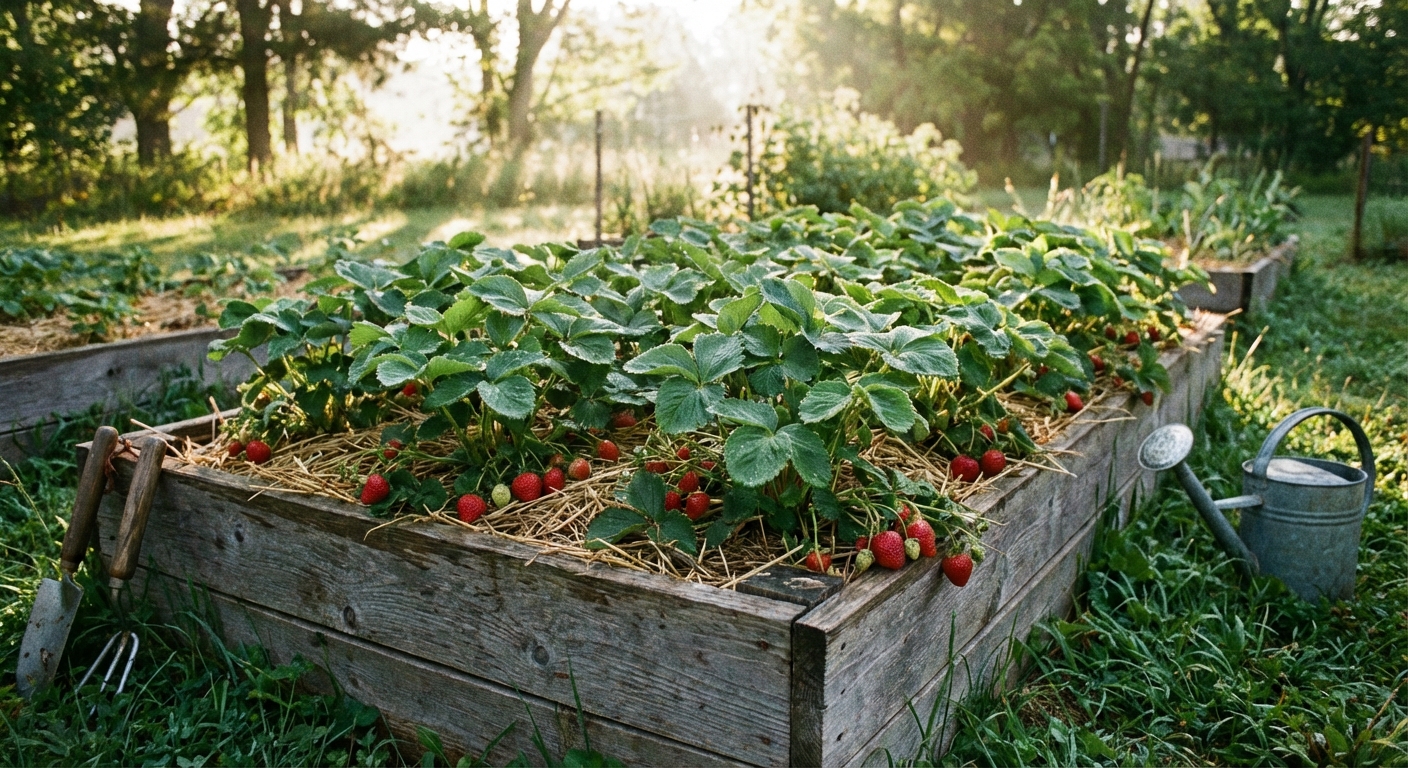
Strawberries are one of those plants that feel a little magical. You tuck in a small start, and a few months later you are picking warm berries you did not have to pay grocery store prices for. The trick is getting the basics right early: choose the right type for your goals, plant at the correct depth, and keep the bed consistently watered and weeded.
This guide walks you through variety selection, soil prep, planting, runner management, and harvesting, using methods that work in real backyards.
Choose the right strawberry type
Strawberries are usually grouped by when they produce fruit. Picking the right type saves a lot of frustration because the care style and harvest timing can feel very different.
June-bearing
June-bearing varieties produce one main crop per year, typically from late spring into early summer (timing varies by region and can run from May to July). They are a great choice if you want a big harvest for freezing, jam, or sharing.
- Pros: Large flush of berries, often bigger fruit, classic strawberry season.
- Cons: Short harvest window, usually 2 to 4 weeks.
- Best for: People who want one heavy harvest and do not mind waiting.
Everbearing
Everbearing strawberries usually produce two to three smaller waves of fruit, often one in early summer and another later in the season.
- Pros: Multiple harvests, good for fresh eating over time.
- Cons: Smaller overall yield than a strong June-bearer in many gardens.
- Best for: Gardeners who want berries more than once per season.
Day-neutral
Day-neutral types can produce steadily through the season when temperatures are in the sweet spot, often from late spring through fall in many climates.
- Pros: Most consistent production, great for containers and small spaces.
- Cons: Fruit size can dip during extreme heat, needs steady water and feeding.
- Best for: A long harvest season and regular picking.
My practical take: If you have space for only one bed, day-neutral or everbearing is usually the most rewarding for home snacking. If you want to make jam or freeze a lot at once, go June-bearing.
Pick a cultivar that fits your area
Once you choose a type, pick a variety that matches your climate and local disease pressure. If you are not sure where to start, local nurseries and extension offices usually know which strawberries thrive in your region, and which ones resist common issues like leaf spot or root diseases.
Where strawberries grow best
Strawberries are tough, but they produce best when you give them a few non-negotiables.
- Sun: Aim for at least 6 to 8 hours of direct sun. If you can do 8+ hours, even better. More sun usually means sweeter berries.
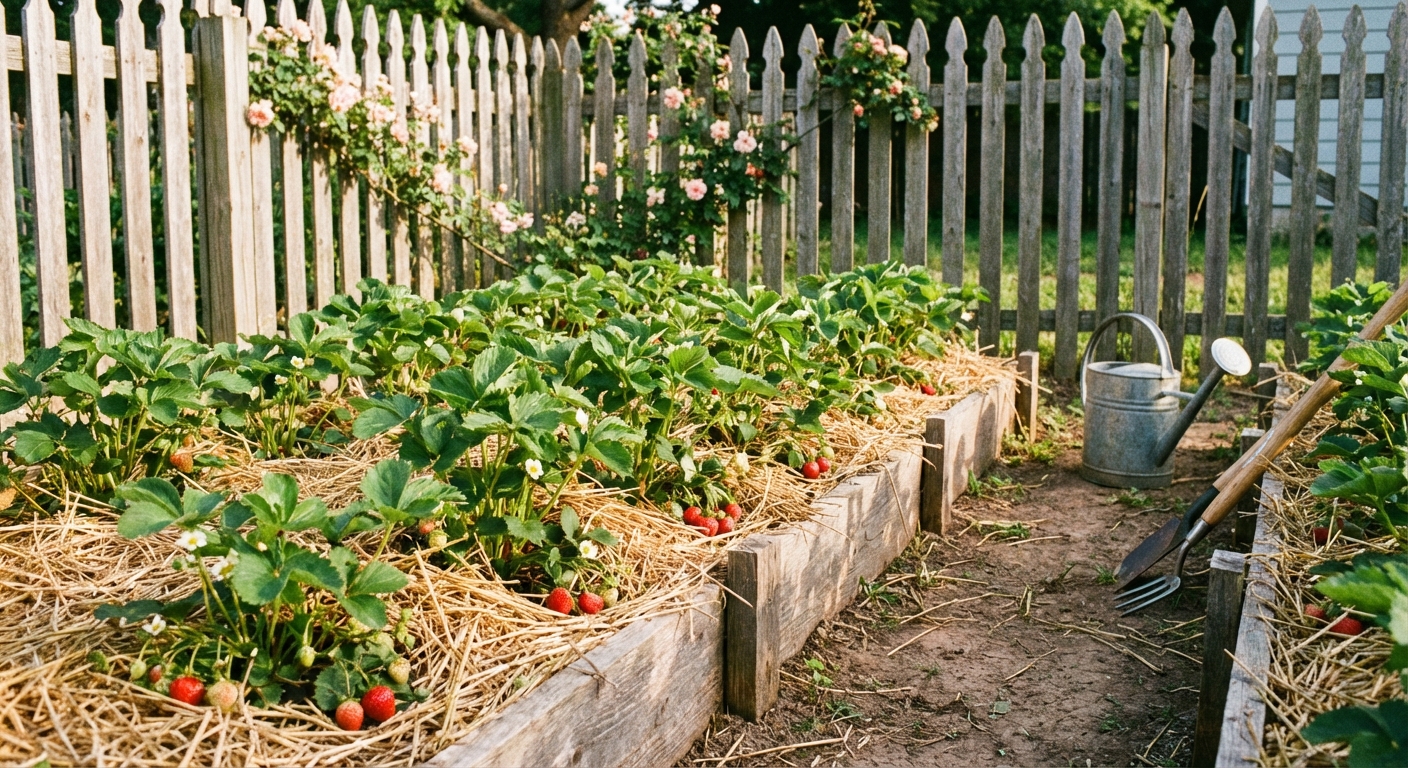
- Drainage: They hate wet feet. Raised beds help a lot, especially in heavier soils.
- Airflow: Good spacing and a sunny, open spot reduce fungal issues like gray mold.
- Rotation: When possible, avoid planting where tomatoes, peppers, eggplants, or potatoes grew recently, and avoid areas with known verticillium wilt problems. A 3 to 4 year rotation is ideal, but do what you can in a small yard.
Soil prep that actually pays off
Strawberries can grow in average soil, but they really shine in soil that is loose, rich in organic matter, and slightly acidic.
Target soil conditions
- Soil pH: About 5.5 to 6.5 is ideal. If you have never tested your soil, this is one crop where a basic pH test is worth doing.
- Texture: Loose and well-draining. Compacted soil leads to weak roots and smaller berries.
- Fertility: Moderate. Too much nitrogen can give you gorgeous leaves and fewer berries.
Simple bed prep
For an in-ground bed, loosen the soil 8 to 10 inches deep and mix in compost. For raised beds, use a quality garden soil mix and still add compost because strawberries benefit from steady organic matter.
- Work in 1 to 2 inches of compost before planting.
- If your soil is heavy clay, consider a raised bed or mounded rows to improve drainage.
- Remove weeds thoroughly before planting. Strawberry plants do not compete well.
When to plant strawberries
Planting time depends on your climate and what form your plants arrive in.
- Early spring: A common time to plant bare-root strawberries as soon as the ground is workable.
- Fall (mild climates): Fall planting can be fantastic where winters are not brutal, giving plants time to root before spring.
If you are planting in summer, it can work, but you must stay on top of watering and heat stress. Many first-year failures come down to letting new transplants dry out even once.
How to plant strawberries
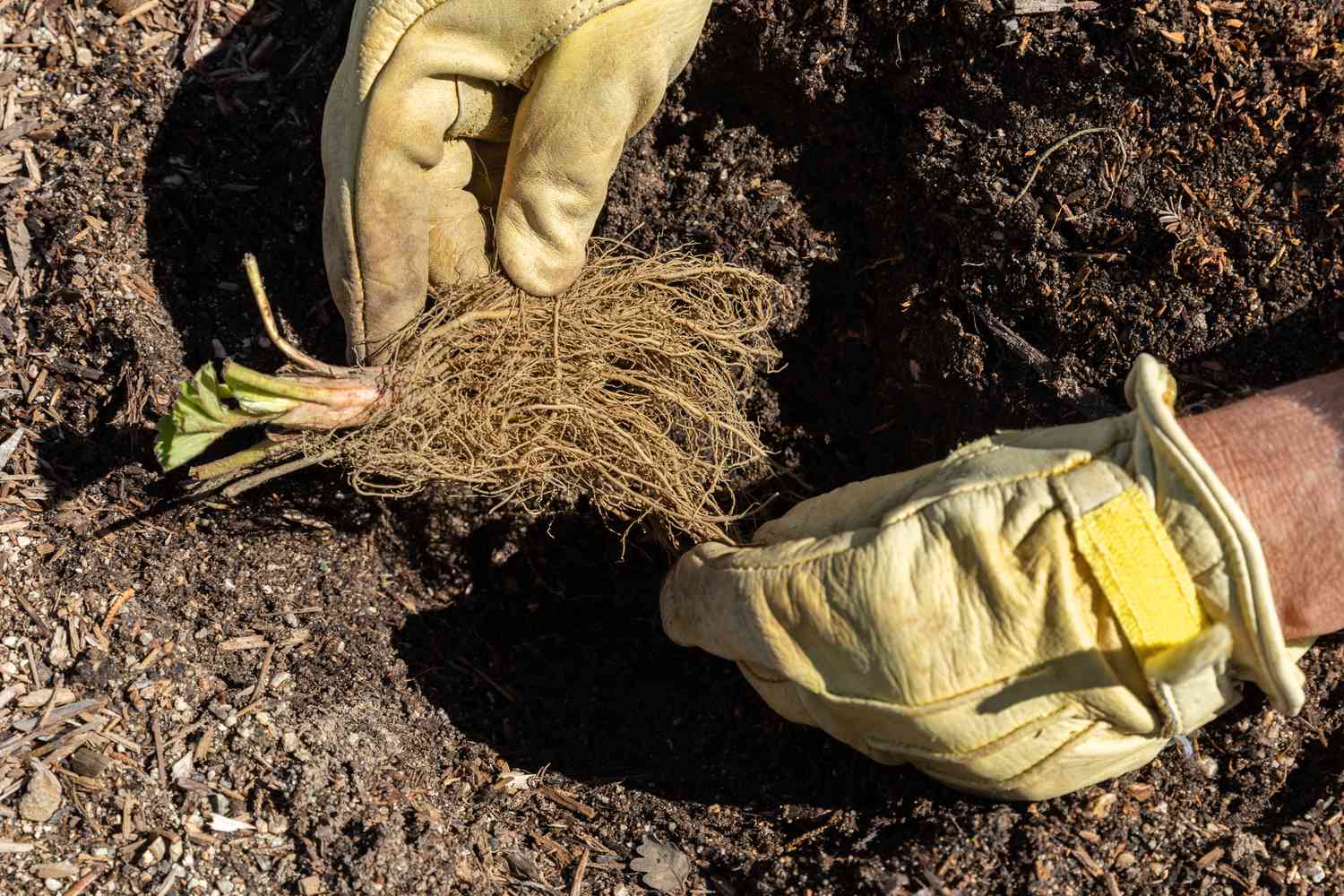
The most common mistake is planting too deep or too shallow. Strawberries have a crown, which is the thick middle where leaves and roots meet. The crown needs to sit right at soil level.
Planting steps
- Soak bare-root plants in water for 20 to 30 minutes before planting.
- Dig a hole wide enough to spread roots out instead of bending them into a tight wad.
- Set the plant so the crown is level with the soil surface. Do not bury it. Do not leave roots exposed.
- Firm the soil gently around the plant and water thoroughly.
Spacing and layout
Tight spacing can look nice on planting day, but it tends to turn into a humid jungle that invites disease and tiny berries. Give them room.
Typical spacing
- In beds: Space plants about 12 to 18 inches apart.
- Between rows: Leave 2 to 3 feet if you are doing rows.
- Square foot style: A common rule is about 1 plant per square foot, but in humid climates, slightly wider spacing helps.
Tip: If you are planting June-bearers and plan to let them fill in with runners, start on the wider side. If you are growing day-neutral in a small bed and removing runners, you can plant a bit tighter.
Watering
Strawberries have shallow roots, so they are quick to complain when the top few inches dry out. Irregular watering is a big reason berries end up small or misshapen, especially during flowering and fruit fill. Misshapen fruit can also come from poor pollination or insect feeding (tarnished plant bug is a classic culprit in some areas).
- Goal: Keep the soil evenly moist, not soggy.
- Rule of thumb: About 1 to 1.5 inches of water per week, more during heat.
- Best method: Drip irrigation or a soaker hose under mulch keeps leaves dry and reduces disease.
Try to water in the morning if you use overhead watering. Wet leaves overnight can invite fungal problems.
Mulch
Mulch is strongly recommended if you want cleaner berries and fewer headaches. It helps with moisture, weeds, and fruit quality.
Best mulches for strawberries
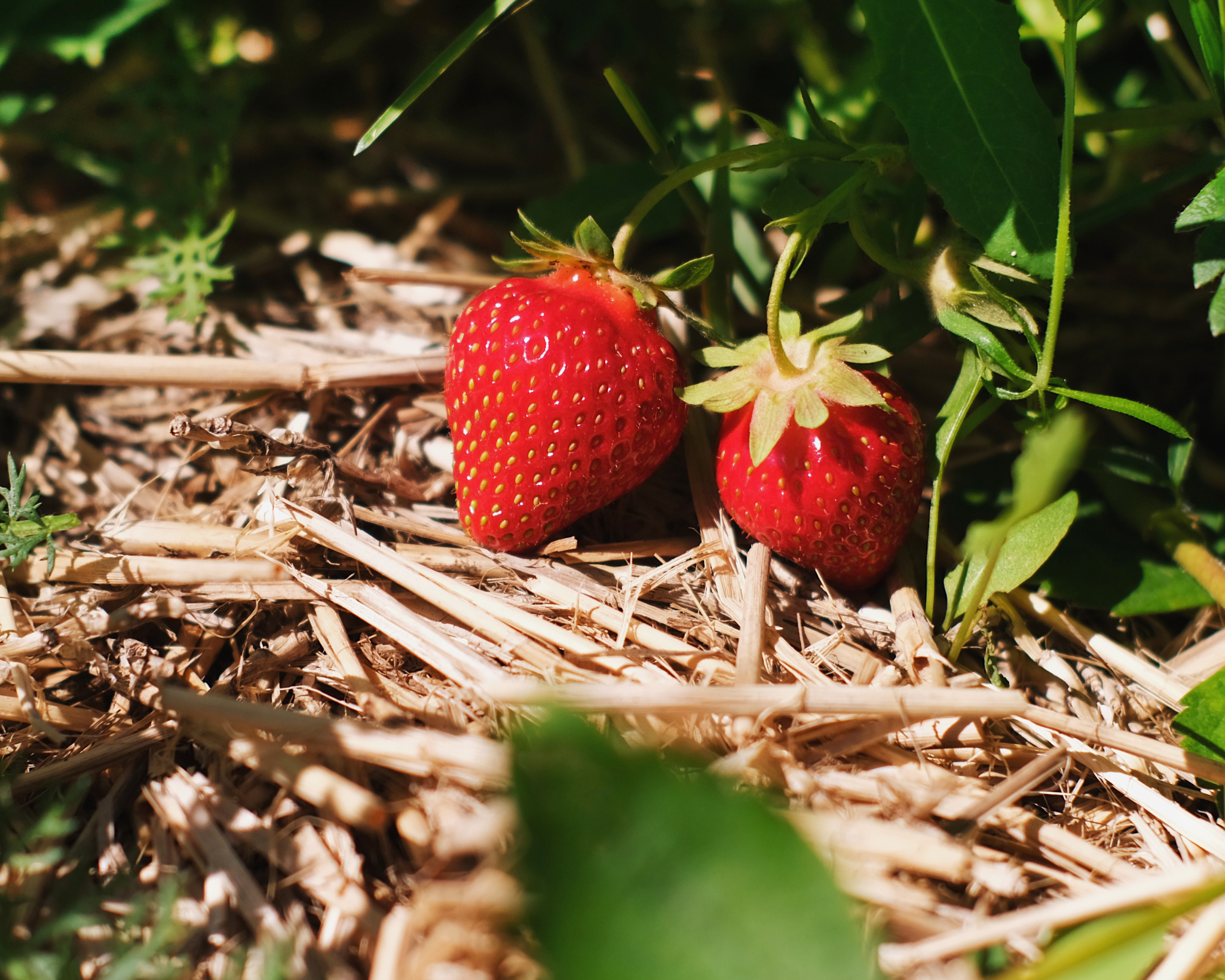
- Straw: Classic option. Keeps berries clean and reduces soil splash.
- Pine needles: Great if you have access. They mat less than straw and allow airflow.
- Leaf mulch: Works if shredded and not too thick.
Apply mulch after planting once the soil has warmed, and refresh it as it breaks down. Keep mulch from burying the crown.
Runner management
Strawberries naturally try to spread by sending out runners that form baby plants. This is great if you want more plants, but it can reduce fruit production if the bed gets overcrowded.
If you want bigger berries
- Pinch off most runners, especially for day-neutral types.
- Keep the plant focused on fruiting instead of making babies.
If you want a bigger patch
- Let some runners root to fill in gaps, especially with June-bearing strawberries.
- Guide runners into open spaces and remove extras so you do not end up with a dense mat.
Simple rule: A productive bed has space between crowns for airflow. If you cannot see soil anywhere, it is usually too crowded.
Feeding strawberries
Strawberries respond well to moderate feeding, but heavy nitrogen pushes leaf growth at the expense of fruit.
- At planting: Compost in the bed is often enough to get started.
- After harvest (June-bearing): A light feeding can help plants recharge for next year.
- Season-long producers (day-neutral): A gentle, regular feeding schedule works well, especially in containers where nutrients wash out faster.
If you are unsure, go lighter rather than heavier. Many home gardens already have enough fertility for strawberries to grow fine.
First-year flowers
This depends on the type and your patience.
- June-bearing: Many gardeners pinch off first-year flowers so the plant puts energy into roots and crowns, leading to a stronger second-year crop.
- Everbearing and day-neutral: You can pinch early flowers for a few weeks after planting to help establishment, then let the plant fruit.
Realistic expectation: Even if you let them fruit in year one, the biggest harvest is often year two. That is normal.
Containers that work
If you are growing strawberries in pots, you can get excellent harvests, but containers dry out fast and need a bit more attention.
- Pot size: Use a container with drainage holes. A good starting point is at least 10 to 12 inches deep. Bigger pots hold moisture better.
- Soil: Use a quality potting mix, then mix in compost for organic matter.
- Water: Check often in warm weather. Containers can need watering daily during heat.
- Winter: In cold climates, pots can freeze solid. Cluster containers in a sheltered spot, insulate them, or move them into an unheated garage once fully dormant.
Common problems
Small berries
- Usually caused by: Not enough sun, inconsistent watering, overcrowding, weak soil, or heat stress.
- Try: Thin plants, mulch, water consistently, and consider refreshing the bed with compost.
Misshapen berries
- Usually caused by: Uneven watering during fruit fill, poor pollination, or insect feeding (like tarnished plant bug in some regions).
- Try: Keep moisture steady, encourage pollinators, and inspect blossoms and developing fruit for insect activity.
Rotting fruit (gray mold)
- Usually caused by: Poor airflow and wet conditions around ripening fruit.
- Try: Mulch under berries, widen spacing, pick promptly, water at the base.
Holes and missing berries
- Usually caused by: Slugs, earwigs, pill bugs, birds, or squirrels.
- Try: Straw mulch and traps, harvest early in the day, and consider netting if birds are a constant issue.
Leaves with spots
- Usually caused by: Leaf spot diseases that thrive in humidity.
- Try: Avoid overhead watering, remove heavily infected leaves, and keep beds from getting too dense.
Harvesting
Strawberries do not sweeten much after picking, so timing matters.
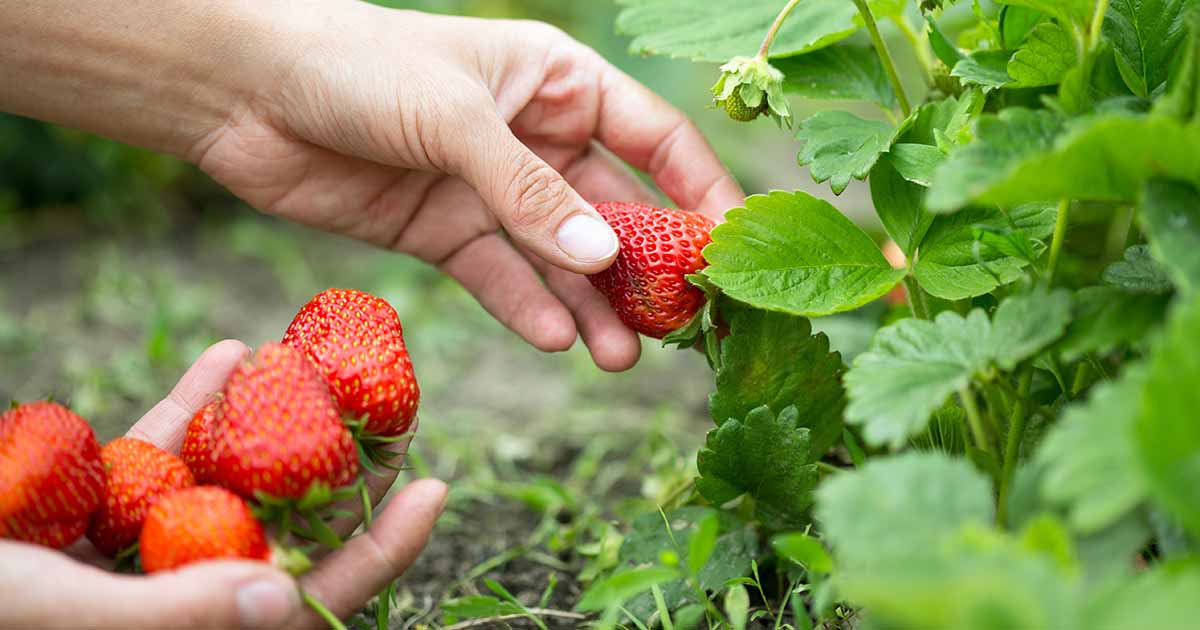
- Pick when berries are fully red with no white shoulders.
- Harvest in the cool of the morning for best texture.
- Pinch or snip the stem, leaving a short piece attached to the berry to reduce bruising.
- Check plants daily during peak season. Ripe berries do not wait.
Frost protection
Strawberry blossoms are surprisingly sensitive to late frosts. If a cold snap threatens while plants are in bloom, cover them for the night with row cover or a light blanket, then remove it in the morning so pollinators can get back to work.
End-of-season care
How you wrap up the season affects next year’s harvest, especially for June-bearing beds.
After the main harvest
- Remove dead leaves and obvious disease debris.
- Weed well so weeds do not take over while plants recover.
- Refresh mulch and top-dress lightly with compost if the bed looks tired.
Renovation for June-bearers
If you grow June-bearers in a dedicated bed, a simple renovation after harvest can keep them productive:
- Thin crowded areas so plants are not packed crown-to-crown.
- Remove old, tired plants and keep the strongest younger crowns.
- Lightly feed and water for a few weeks so plants can set buds for next year.
Winter protection
In colder climates, strawberries can benefit from a winter mulch once the ground begins to freeze. The goal is to prevent repeated freeze-thaw cycles that heave crowns out of the soil.
- Apply a loose layer of straw or pine needles after a few hard frosts.
- In spring, pull mulch back as plants begin growing again, keeping crowns clear.
How long a bed lasts
Most strawberry beds stay strong for about 3 to 5 years. If berry size drops, disease builds up, or plants look tired no matter what you do, it is usually time to start a fresh bed in a new spot.
A simple plan for first-time growers
If you want the easiest path to success, here is a straightforward setup that works in most backyards:
- Plant day-neutral strawberries in a raised bed or large containers for long-season picking.
- Use compost-rich soil and keep crowns at soil level.
- Mulch with straw and water consistently with drip or a soaker hose.
- Pinch runners to keep plants focused on fruit.
- Pick often and do not let ripe berries sit.
Once you get one season under your belt, you can expand into June-bearing beds for bigger bulk harvests. Strawberries reward the gardeners who stay consistent more than the gardeners who do everything fancy.