How to Grow Lavender at Home

Jose Brito
I’m Jose Britto, the writer behind The Country Store Farm Website. I share practical, down-to-earth gardening advice for home growers—whether you’re starting your first raised bed, troubleshooting pests, improving soil, or figuring out what to plant next. My focus is simple: clear tips you can actually use, realistic expectations, and methods that work in real backyards (not just in perfect conditions). If you like straightforward guidance and learning as you go, you’re in the right place.
Lavender is one of those plants that looks fancy but actually thrives on “benign neglect” once you set it up right. The trick is giving it what it wants from day one: lots of sun, fast-draining soil, and a watering routine that feels almost too light.
Below is a straightforward, backyard-tested guide to choosing a variety that fits your climate, planting it properly, keeping it healthy in a pot or in the ground, pruning without fear, and harvesting at peak fragrance.
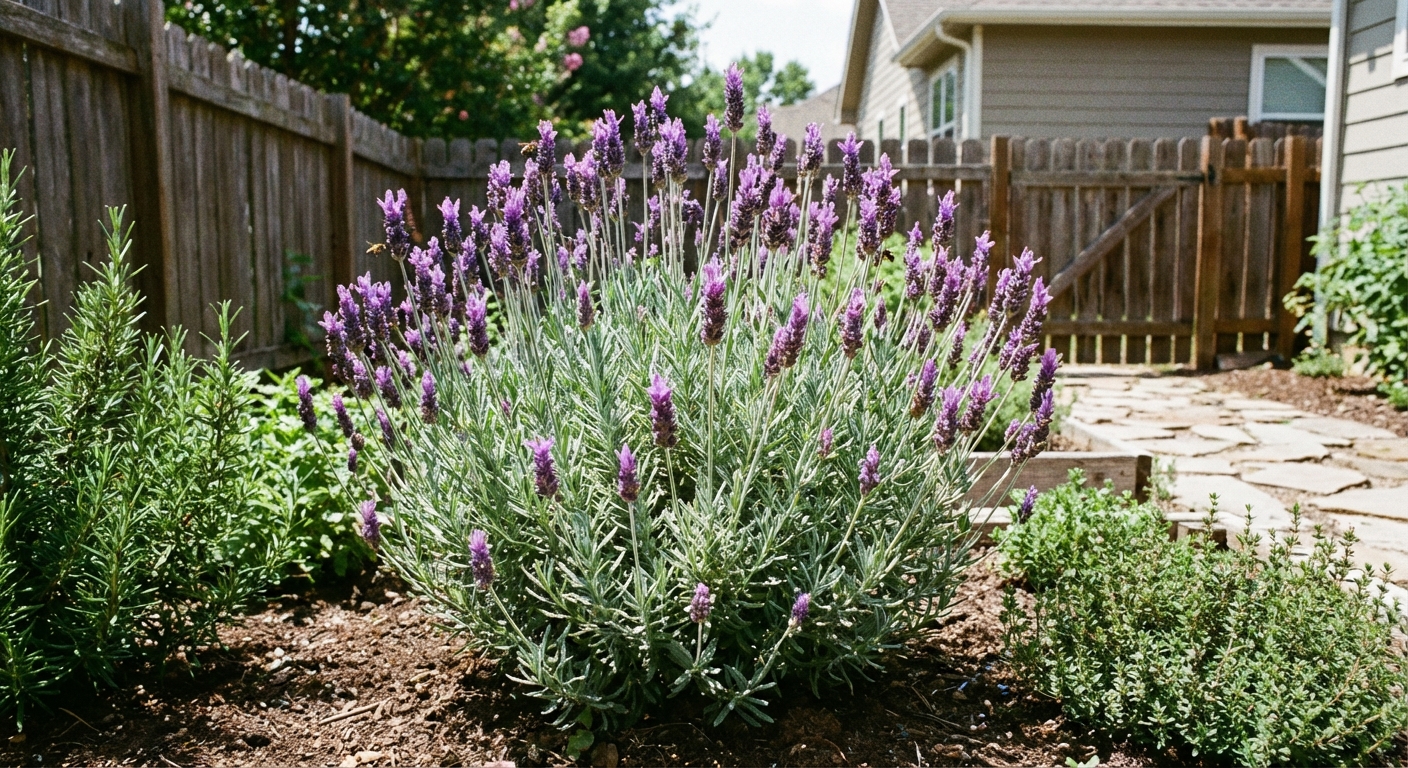
Pick the right lavender for your climate
Most lavender problems start with the wrong variety for the local weather. Some lavenders shrug off cold winters. Others struggle more with winter wet than cold itself.
Quick note on zones: The ranges below are typical, not absolute. Microclimates, drainage, wind exposure, snow cover, and cultivar choice can shift what survives in your yard.
English lavender (Lavandula angustifolia)
- Best for: Colder climates and true winters.
- Typical hardiness: About USDA zone 5 to 9. Some cultivars can handle zone 4 with excellent drainage and protection (often snow cover helps).
- Why it works: Generally the most cold-hardy type most gardeners grow.
- Common picks: ‘Hidcote’, ‘Munstead’.
- Notes: If you deal with freezing temps, start here and make drainage a priority.
Lavandin (Lavandula x intermedia)
- Best for: Mild to moderate winter areas with good drainage.
- Typical hardiness: About USDA zone 5 or 6 to 9 (cultivar and site matter).
- Why it works: Vigorous growth and lots of flowers, great for hedges and big harvests.
- Common picks: ‘Grosso’, ‘Provence’.
- Notes: Often a little less cold-hardy than English lavender, but it is a workhorse where it’s happy.
Spanish and “French” lavender (common names vary)
- What gardeners mean: “Spanish lavender” is usually Lavandula stoechas. “French lavender” is used inconsistently and may refer to Lavandula dentata (and sometimes L. stoechas).
- Best for: Warm climates, coastal areas, and places with mild winters.
- Typical hardiness: Often USDA zone 7 or 8 to 10.
- Why it works: Handles heat well, blooms early, distinctive “rabbit ear” blooms (especially L. stoechas).
- Notes: These types usually struggle in wet, cold winters and can decline fast if soil stays soggy.
Quick rule: Cold winters usually point to English lavender. Hot summers plus mild winters can make Spanish or dentata types easier. If you want big, fragrant harvests and your winters are not brutal, lavandin is a great pick.
Sun exposure: more is better
Lavender is a full-sun plant. The more light it gets, the sturdier it grows and the less likely it is to stay damp and develop fungal issues.
- Aim for: 6 to 8+ hours of direct sun per day.
- Morning sun helps: It dries dew quickly, which lowers disease pressure.
- Humid climates tip: In places with sticky summers, prioritize sun plus airflow. A breezy, open spot beats a protected nook.
- If you only have part sun: Choose the sunniest spot available and consider growing in a pot you can move.
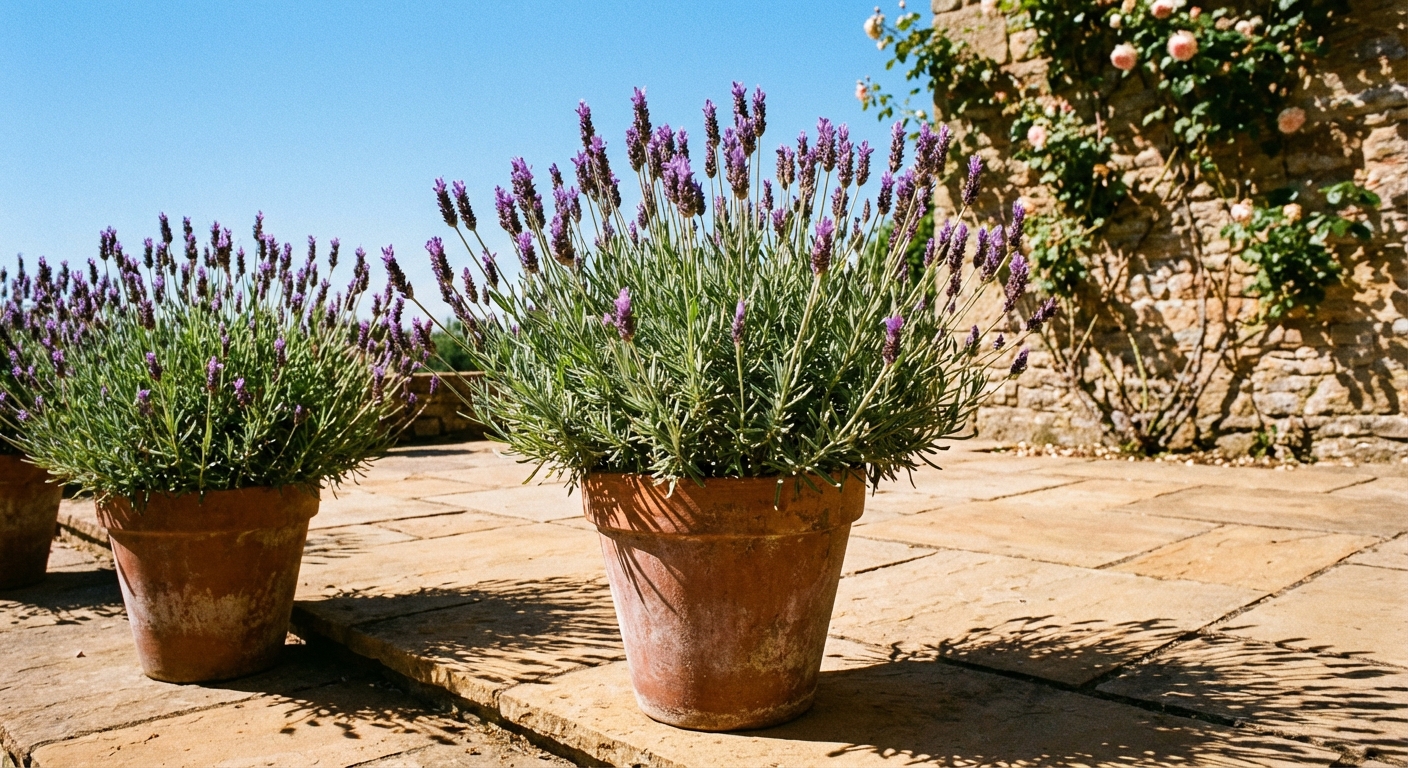
Soil and drainage: the make-or-break factor
If lavender had one non-negotiable, it would be drainage. Lavender does not want rich, wet soil. It wants airy soil that dries out between waterings.
Ideal soil conditions
- Texture: Sandy or gravelly loam is great.
- Drainage: Water should soak in fast. If puddles sit after rain, fix drainage before planting.
- Fertility: Moderate to low. Too much nitrogen makes floppy growth with fewer blooms.
- pH: Slightly alkaline to neutral is often ideal. If you have acidic soil, you can adjust over time, but drainage still matters most.
How to fix heavy clay soil
In heavy clay, lavender often fails from root rot, especially in winter. You have a few realistic options:
- Plant on a mound: Build a raised mound 8 to 12 inches high so water drains away from the crown.
- Use a raised bed: Fill with a gritty, well-draining mix rather than native clay.
- Grow in pots: Often the simplest path to success in wet climates.
Skip this common mistake: Do not add a little sand to clay and call it “fixed.” Small amounts of sand can make clay denser and more prone to compaction. If you amend at all, it usually takes a big, intentional change (lots of coarse mineral material and improved drainage) or a raised setup.
Mulch: choose the dry kind
- Best mulch for lavender: Gravel or small stone. It keeps the crown drier, cuts down mud splash, and does not hold moisture like bark.
- If you use organic mulch: Keep it thin and pulled back from the crown so air can move and the base stays dry.
Planting lavender outdoors
Lavender is forgiving once established, but it needs a solid start. Planting correctly helps it root fast and resist disease.
When to plant
- Spring: Best in colder regions so plants can establish before winter.
- Fall: Works in mild-winter climates with good drainage. Avoid planting right before a long, wet, cold stretch.
Spacing
- Space plants so air can move through them. Crowded lavender stays damp and is more likely to get fungal problems.
- As a rough guide, space most types about 18 to 36 inches apart depending on mature size.
- Humid climates tip: Err on the wider side of spacing.
Planting steps
- Dig a hole as deep as the root ball and a bit wider.
- Set the plant so the crown sits at or slightly above soil level. Do not bury it.
- Backfill with well-draining soil and firm gently.
- Water once to settle soil, then let the top few inches dry before watering again.
Growing lavender in pots (often easier)
Container lavender gives you control over drainage, which is why it can outperform in-ground plants in wet climates. The tradeoff is more frequent watering in summer and some winter protection in cold areas.
Pot and soil basics
- Choose a pot with drainage holes: Non-negotiable.
- Size: For a mature plant, aim for a pot roughly 12 to 18 inches wide (often 3 to 7 gallons). Bigger pots dry more slowly, so balance size with your watering habits.
- Potting mix: Use a fast-draining mix. A simple option is cactus or succulent mix cut with pumice or coarse perlite for extra airflow.
- Top dressing: A thin layer of gravel can keep the crown drier and reduce splash-up.
Winter tips for potted lavender
- In cold climates, pots can freeze solid and damage roots. Move containers to an unheated garage or sheltered porch where they stay cold but not soaked.
- Water lightly through winter only when the soil is mostly dry. The goal is “barely alive,” not growing.
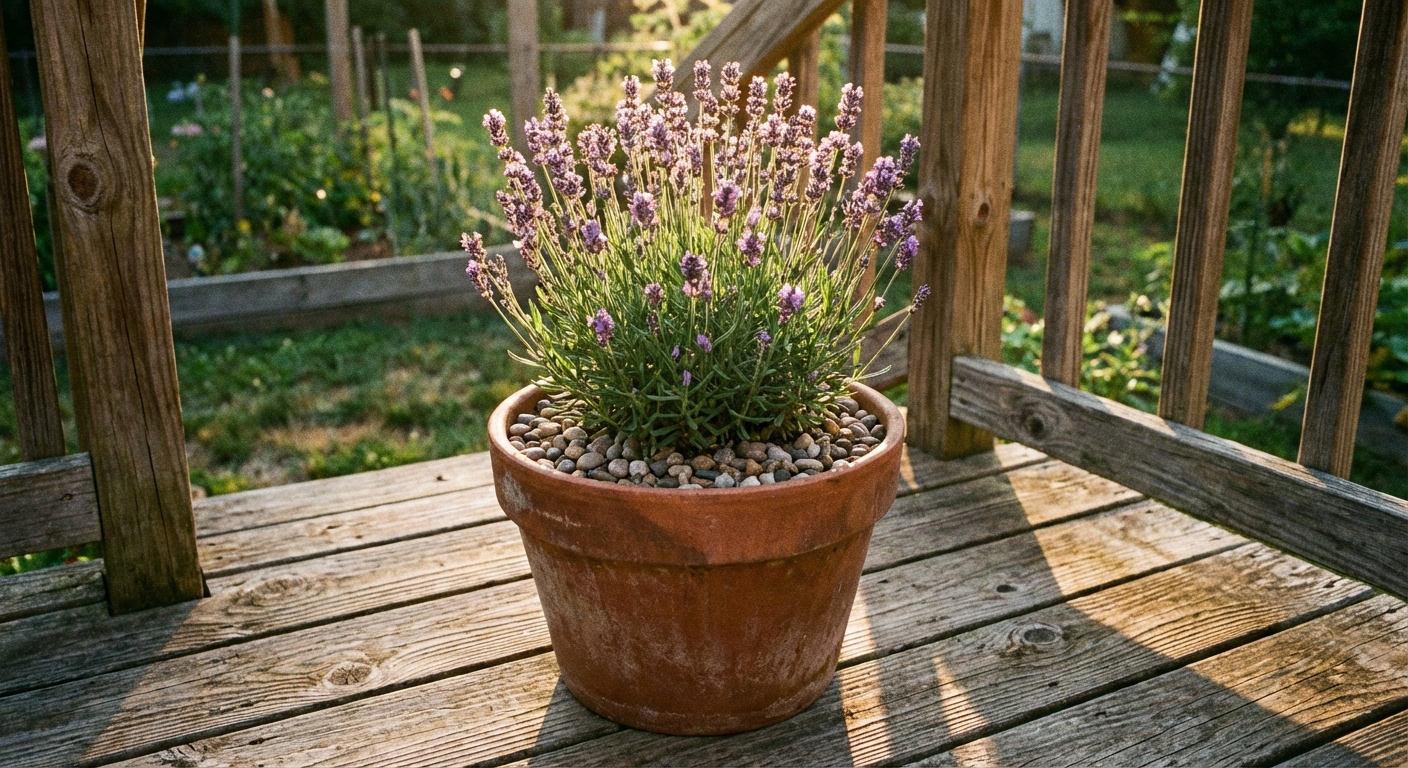
Can lavender grow indoors?
Yes, but indoor lavender is harder than outdoor lavender. Indoors, the biggest issues are not enough light and soil staying damp too long.
Indoor success checklist
- Light: Put it in your brightest window, ideally south-facing. For most homes, a grow light is what makes indoor lavender actually work. Many plants need 12 to 14 hours per day under a strong light to stay compact and healthy.
- Airflow: Lavender likes moving air. A small fan on low (not blasting the plant) helps prevent mildew.
- Watering: Water thoroughly, then let the mix dry down well. Never keep it evenly moist.
- Humidity: Average home humidity is fine. High humidity plus low light can cause problems.
Realistic expectation: Indoors, lavender often survives but does not bloom heavily. If you want lots of flowers, outdoors in full sun is the easier route.
Watering: the fastest way to kill lavender
Lavender does not want frequent watering. It wants deep, occasional watering with drying time in between. Overwatering is the main reason new plants fail.
How often to water
- Newly planted: Water when the top 2 to 3 inches of soil are dry. In hot weather that might be every few days at first.
- Established in-ground plants: Often only need water during prolonged drought.
- Pots: Will dry faster. Check soil with your finger and water only when it is dry a few inches down.
Signs you are overwatering
- Yellowing leaves, limp growth, or a “sad” plant even though the soil is wet.
- Blackened stems at the base.
- A musty smell from the potting mix.
Root rot (what it looks like and what to do)
Root rot usually shows up as sudden decline, especially after rainy weather or frequent watering. Roots turn brown or black and feel mushy.
- In pots: Unpot the plant, trim mushy roots, and repot into a dry, gritty mix in a clean pot. Then water lightly and give strong light. If the rot is severe, recovery is hit-or-miss, so consider taking a cutting as a backup.
- In the ground: Improve drainage immediately by planting on a mound, diverting runoff, or replanting to a raised bed. Sometimes the best move is replacing the plant and changing the site.
Fertilizing: go easy
Lavender is not a heavy feeder. Too much fertilizer, especially nitrogen, pushes leafy growth that flops and blooms less.
- In-ground: If your soil drains well, you often do not need fertilizer at all.
- In pots: A light feeding once in spring can help, but keep it mild. If in doubt, skip it and focus on light and drainage.
Pruning: how to keep it bushy
Pruning is what keeps lavender from getting woody, splitting open, or looking scraggly. The goal is a rounded plant with lots of young growth.
When to prune
- After flowering: Light to moderate pruning keeps the plant tidy and can encourage a second flush in some climates.
- Spring touch-up: In colder areas, wait until you see new growth, then prune to shape and remove winter damage.
How much to cut back
- Trim off spent flower stems and a portion of green growth.
- Do not cut deep into old, leafless wood unless you can see green buds lower down. Lavender often does not resprout reliably from bare wood.
- Aim for a mounded shape that lets light hit all sides.
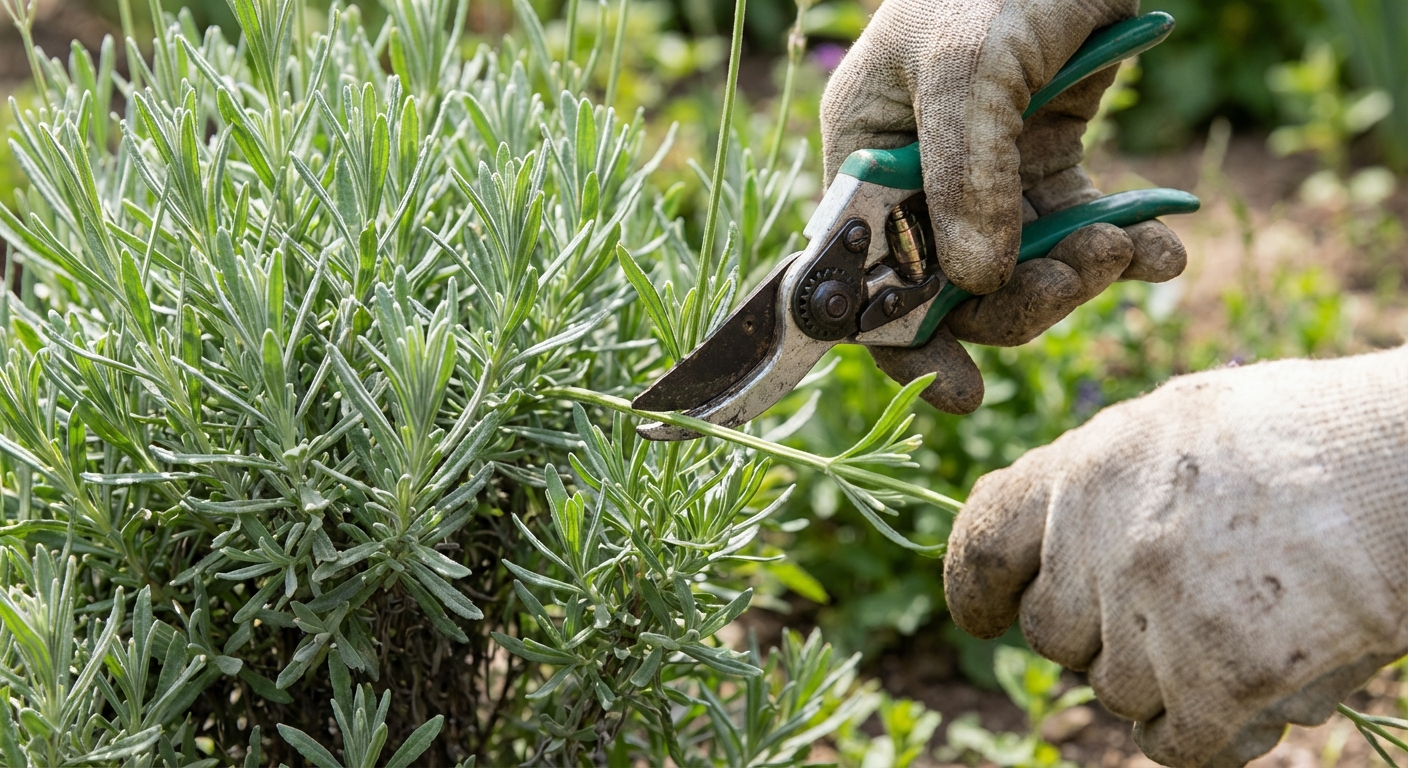
Harvesting lavender for best fragrance
Timing matters. Harvest too early and the scent is lighter. Harvest too late and petals drop and you lose quality.
When to harvest
- Harvest when buds are formed and just starting to open, usually when a few florets are open on each stem.
- Cut on a dry morning after dew has evaporated.
How to harvest
- Gather a small bundle of stems.
- Cut stems long, but stay above the woody part of the plant.
- Do not strip too much foliage from the plant during peak heat. Leave plenty of green growth to keep it strong.
Drying lavender
- Tie small bundles and hang them upside down in a dark, dry, well-ventilated spot.
- Once dry, gently rub buds off stems into a clean container.
- Store in an airtight jar away from light and heat for best scent retention.
Common problems and fixes
Root rot from overwatering
This is the big one. Fix drainage, reduce watering, and avoid mulch piled right against the crown.
Woody, split plants
Usually caused by skipping pruning for a few years. Start pruning annually after bloom and keep plants in full sun to reduce legginess. Also know this: lavender is not forever. Many plants start to decline after about 5 to 8 years (sometimes longer with great pruning and dry winters).
Not blooming
- Too little sun: Move to a brighter location.
- Too much fertilizer: Stop feeding and let it settle.
- Hard pruning at the wrong time: Avoid heavy pruning late in the season in cold climates.
- Young plants: Some plants bloom lightly in year one and really hit stride in year two.
Winter dieback
- In cold areas, choose English lavender and plant in the sunniest, best-draining spot you have.
- Avoid wet winter soil. Drainage matters more than cold for many losses.
- Do not smother the crown with heavy mulch.
Pests and disease
Lavender is usually low-pest, especially in full sun with good airflow. If you see aphids on tender growth, a strong spray of water or insecticidal soap can help. In some regions you may also see spittlebugs or whiteflies. In humid climates, leaf spot and other fungal issues pop up when plants stay damp, so spacing, sun, and a dry crown do a lot of the heavy lifting.
Quick care checklist
- Sun: Full sun, 6 to 8+ hours.
- Soil: Fast-draining, not overly rich.
- Mulch: Gravel is best. Keep any mulch off the crown.
- Water: Deep and infrequent. Let soil dry between waterings.
- Prune: Every year, mostly in green growth.
- Biggest risk: Root rot from overwatering or poor drainage.
If you get the light and drainage right, lavender is one of the most satisfying “plant it and enjoy it” perennials you can grow. Start with the right variety for your climate, keep it on the dry side, and it will reward you with fragrance for years.