How to Get Rid of Whiteflies on Plants

Jose Brito
I’m Jose Britto, the writer behind The Country Store Farm Website. I share practical, down-to-earth gardening advice for home growers—whether you’re starting your first raised bed, troubleshooting pests, improving soil, or figuring out what to plant next. My focus is simple: clear tips you can actually use, realistic expectations, and methods that work in real backyards (not just in perfect conditions). If you like straightforward guidance and learning as you go, you’re in the right place.
Whiteflies are one of those pests that seem harmless until you look closer. Then you notice the pale leaves, the sticky film, and a little cloud of tiny white bugs taking off every time you touch the plant.
The good news is you usually do not need anything extreme to get them under control. What works best is a simple one-two punch: knock down the adults and protect new growth so the next generation never gets comfortable.
How to identify whiteflies
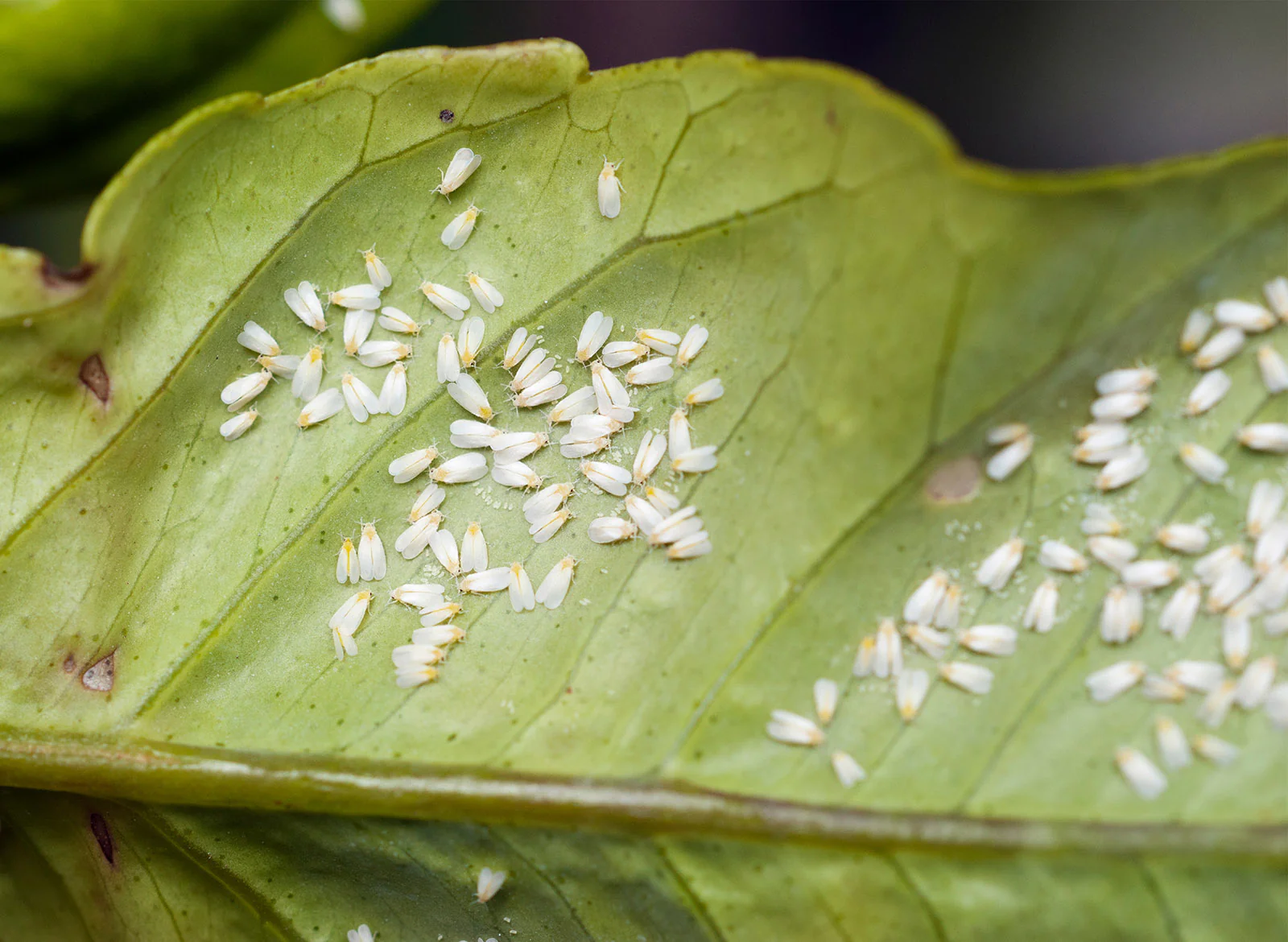
Whiteflies are tiny, soft-bodied insects that feed on plant sap. Adults look like little white moths, but they are not moths. They are most often found on the undersides of leaves.
Quick ID checklist
- They fly up in a cloud when you shake the plant or brush the leaves.
- Adults are powdery white and usually about 1 to 2 mm long (roughly gnat-sized).
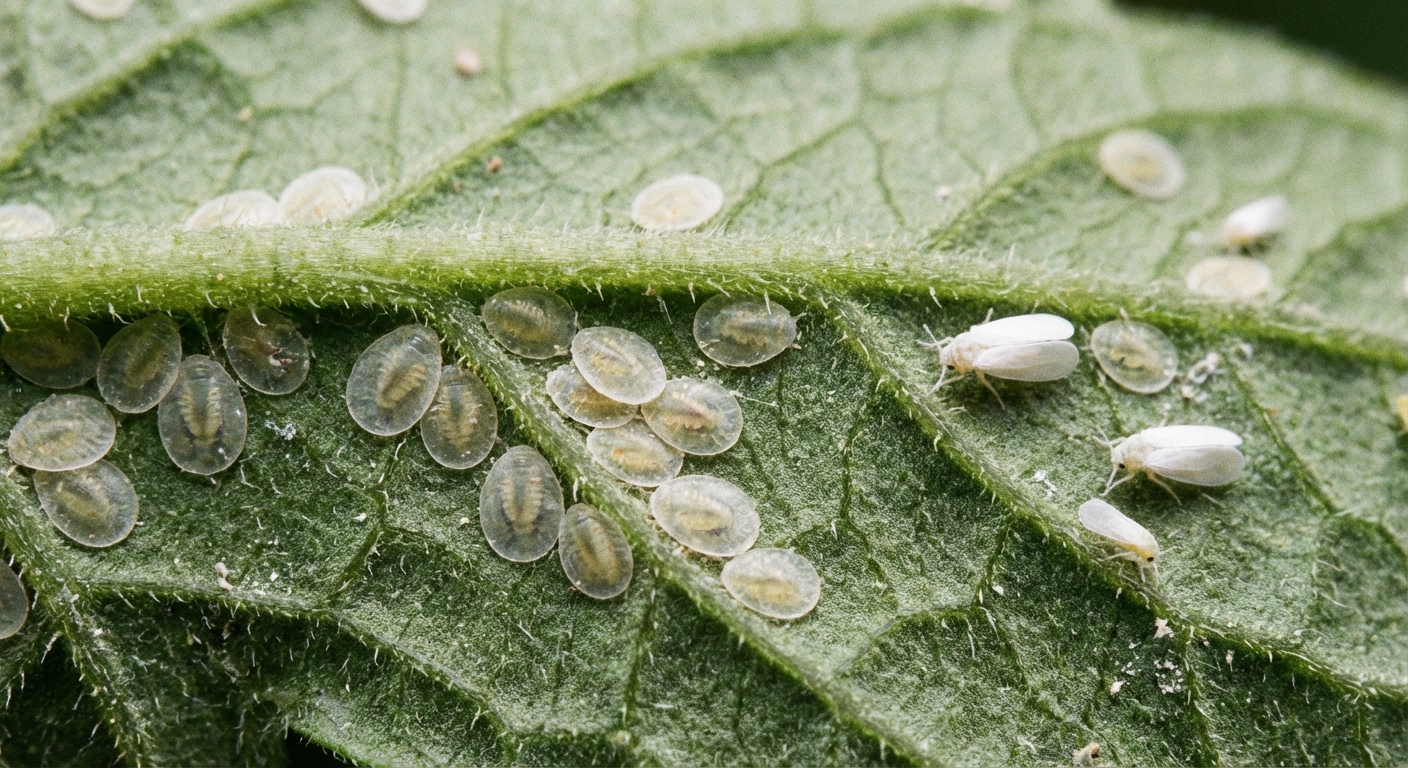
- Nymphs do not move much and look like flat, pale oval scales stuck to the underside of leaves.
- Eggs are tiny and usually laid in small circles or arcs on the underside of leaves.
If you are unsure, do this: hold a sheet of white paper under a leaf and tap the leaf. Adults will fall or flutter down and you will see them clearly against the paper.
Common lookalikes: Fungus gnats are mosquito-like and hover around soil, not leaf undersides. Aphids are pear-shaped and usually cluster on stems and new growth, and many are not bright white.
Damage whiteflies cause
Whiteflies damage plants in three main ways: by sucking sap, by leaving behind honeydew, and in some cases by spreading plant viruses.
1) Yellowing and weak growth
As whiteflies feed, plants lose fluids and nutrients. Over time you will see:
- Yellowing leaves, especially older leaves
- Leaf drop
- Stunted growth and poor flowering
- Reduced yields on vegetables
2) Sticky honeydew and sooty mold
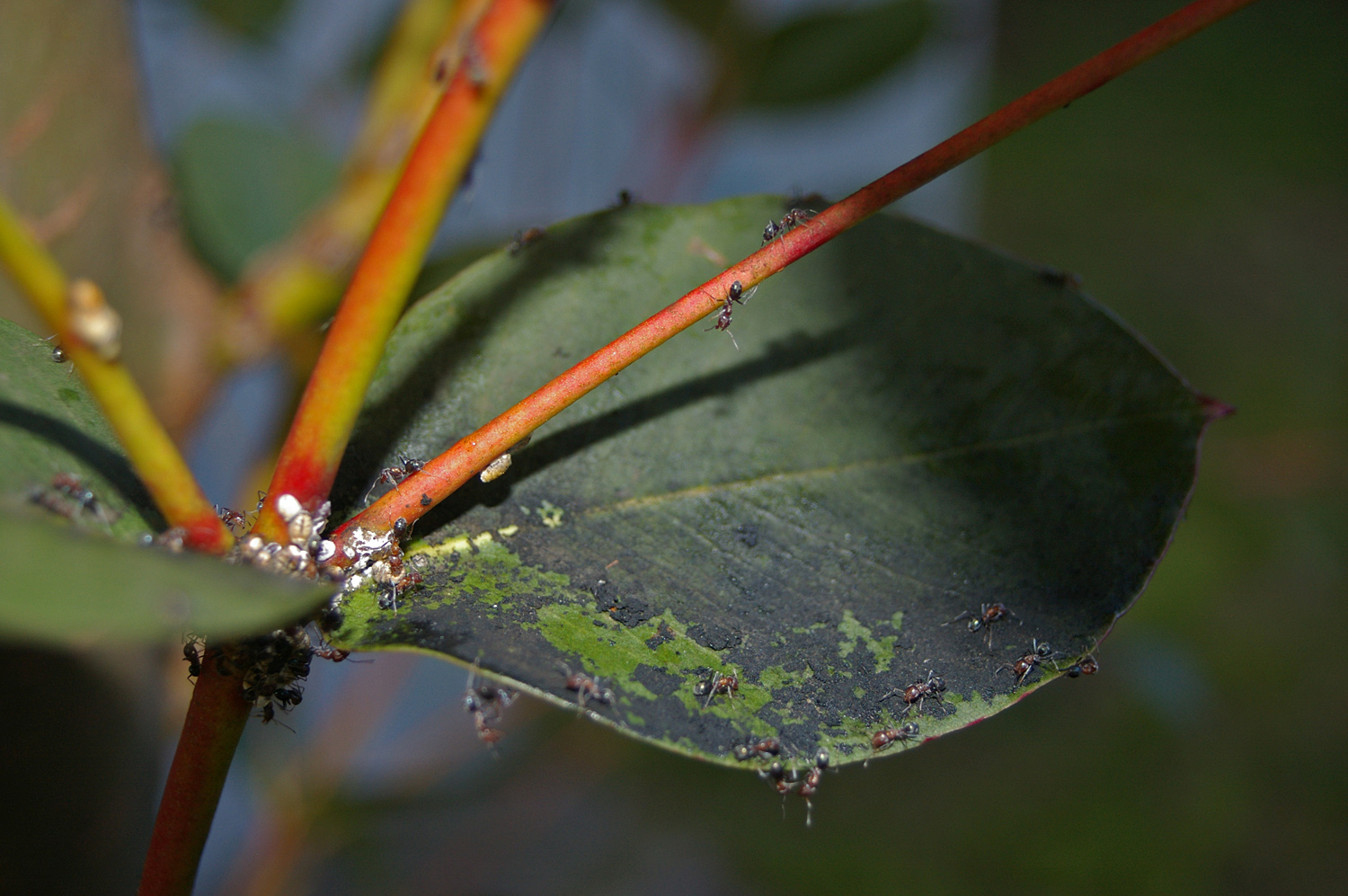
Honeydew is the sticky waste whiteflies excrete while feeding. It coats leaves and anything underneath the plant. Once honeydew is present, sooty mold often follows, which is a black fungus that grows on the sticky surface.
Sooty mold looks nasty, and it blocks sunlight from the leaf surface. Even after you kill the whiteflies, you may need to wash leaves to remove the sticky residue and mold so the plant can photosynthesize normally again.
3) Virus transmission (a bigger deal on crops)
Some whitefly species can transmit plant viruses, especially on tomatoes, peppers, and other susceptible crops. If a plant is severely infested and declining, or you suspect virus symptoms (curling, mottled leaves, distorted growth), it can be smarter to remove that plant to protect the rest of your garden.
Before you treat: do this first
If you skip this part, treatments take longer and you end up spraying more than you need to.
Prune and remove heavily infested leaves
Clip off the worst leaves and bag them. Do not compost them if they are crawling with nymphs. This removes a big chunk of the population in one shot.
Blast the undersides with water
A strong spray from a hose knocks adults and some nymphs off the plant. It will not solve the problem by itself, but it makes every other method work better.
Check nearby plants
Whiteflies spread easily. Look at neighboring plants, especially:
- Tomatoes, peppers, eggplant
- Cucumbers and squash
- Kale and other brassicas
- Hibiscus and many houseplants
Natural ways to get rid of whiteflies
You will get the best results by combining a couple methods rather than relying on just one. Whiteflies have multiple life stages, and sprays do not always hit eggs.
Neem (and other horticultural oils)
Neem is a go-to option because it can work in a few ways, depending on the product: some neem formulations (especially those with azadirachtin) suppress feeding and development, and oil-based sprays can also coat soft-bodied pests on contact. It is most helpful when you keep up with repeat applications.
- Where to spray: focus on leaf undersides and new growth.
- When to spray: early morning or evening to reduce leaf burn and protect pollinators.
- How often: every 5 to 7 days for a few rounds, then reassess.
Important: oils can damage tender leaves in hot sun. Test on a small area first, and avoid spraying stressed plants during extreme heat. Always follow the label for mixing rates and crop use.
Insecticidal soap
Insecticidal soap is one of the most reliable natural knockdowns for whiteflies because it works on contact and targets soft-bodied insects. It does not have much residual effect, so coverage matters.
- Spray thoroughly, especially the undersides of leaves.
- Repeat every 4 to 7 days while you are seeing adults.
- Do not spray in the heat of the day.
If you are using a store-bought soap, follow the label rates. If you are tempted to mix your own, be careful. Too strong a soap solution can burn leaves, especially on seedlings and houseplants.
Yellow sticky traps
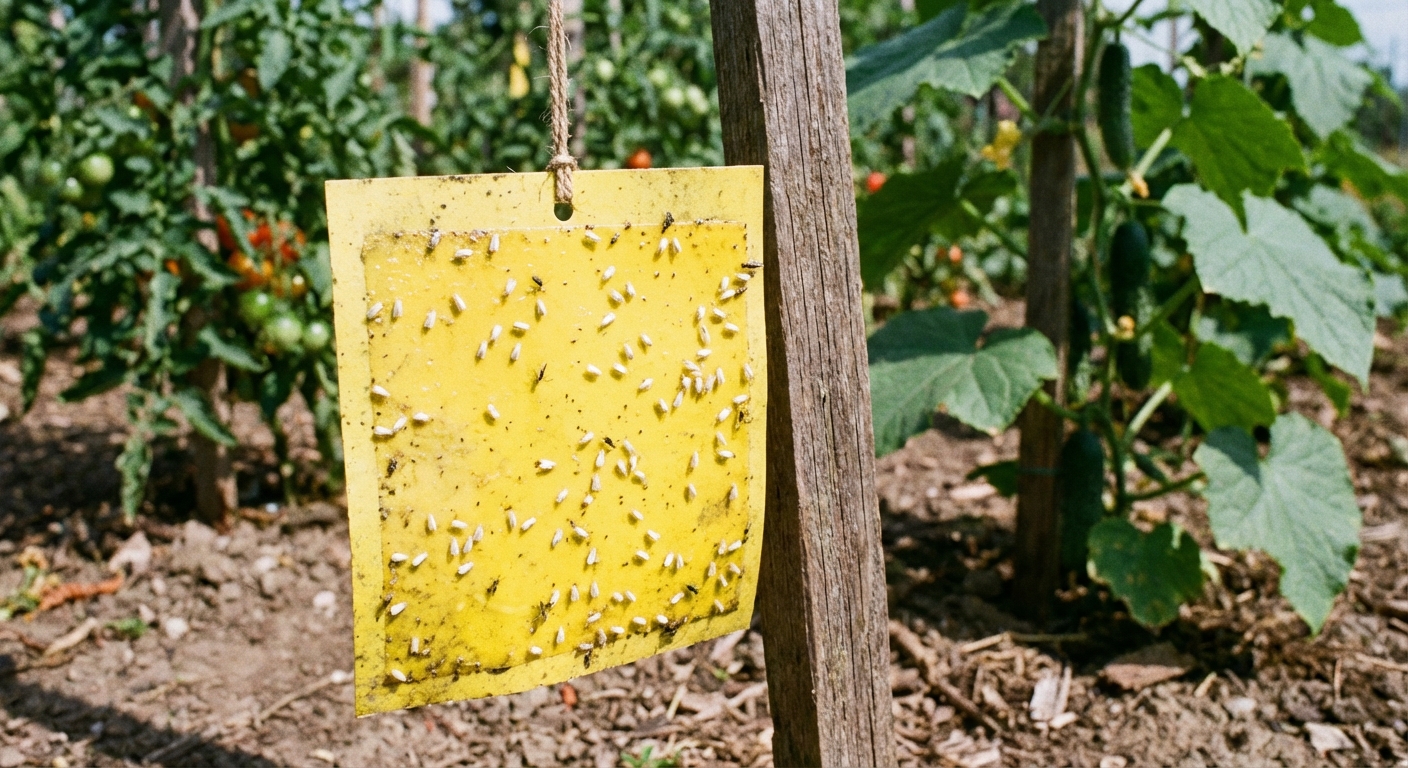
Sticky traps are not a complete solution, but they are excellent for reducing the adult population and monitoring whether your control plan is working.
- Place traps at plant height, close to the most infested plants.
- Use multiple traps for larger beds or greenhouse areas.
- Replace traps when they are covered with insects or dust.
Think of traps as your early warning system. If trap counts drop week to week, you are headed in the right direction.
Beneficial insects
If you want longer term control with less spraying, beneficial insects can help a lot, especially in greenhouses or protected garden spaces.
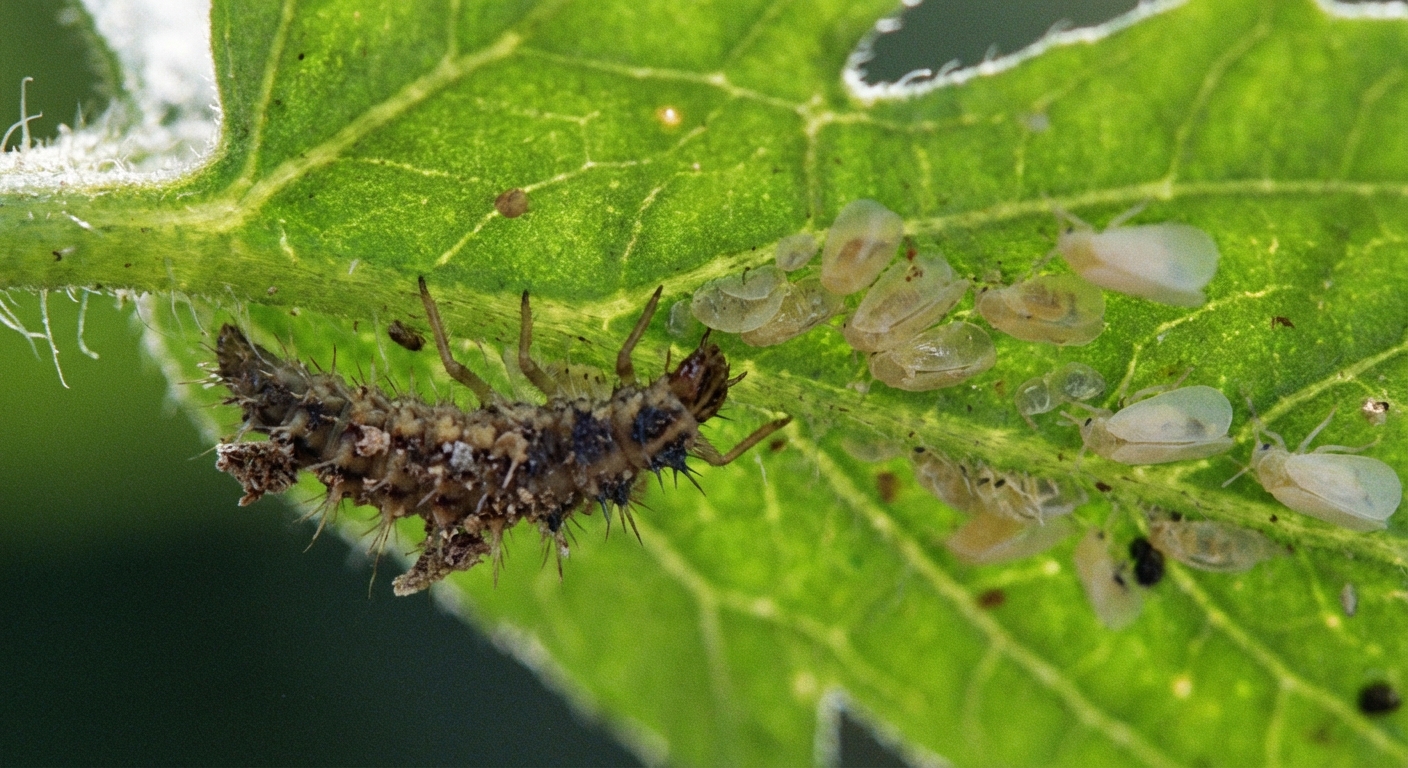
- Lacewing larvae are aggressive predators and often do a better job sticking around long enough to make a dent.
- Encarsia formosa (a tiny parasitic wasp) is a classic greenhouse solution that targets whitefly nymphs.
- Eretmocerus eremicus is another common greenhouse parasitoid used for whitefly control.
- Ladybugs may eat whiteflies, but they are usually less dependable than lacewings or parasitoids for whitefly control outdoors.
To make beneficials actually work, avoid broad-spectrum insecticides and cut back on repeated oil or soap sprays right after releasing them. Give them a chance to hunt.
Physical control for small infestations
If you catch whiteflies early, simple hands-on methods help a lot:
- Vacuum adults with a handheld vacuum in the morning when they are sluggish, then empty it into soapy water.
- Wipe leaf undersides on sturdy houseplants with a damp cloth to remove nymphs.
- Use a pump sprayer to get better underside coverage than a small trigger bottle.
A simple step-by-step plan that works
If you are dealing with an active infestation, here is a realistic plan you can follow without overcomplicating it.
Week 1: knockdown
- Prune the worst leaves.
- Blast leaf undersides with water.
- Spray insecticidal soap or neem or horticultural oil, focusing on undersides.
- Hang yellow sticky traps.
Week 2 to 3: break the cycle
- Repeat spray every 5 to 7 days (sooner if the label says so).
- Keep checking new growth and leaf undersides.
- Replace or reposition sticky traps as needed.
Week 3 and beyond: maintain and prevent
- If pressure stays high, consider beneficial insects.
- Keep plants healthy with consistent watering and nutrition.
- Avoid heavy nitrogen spikes that create tender growth whiteflies love.
- On outdoor vegetables, consider reflective mulch early in the season to discourage adults from landing.
Common mistakes
- Only spraying the tops of leaves. Whiteflies live underneath.
- Spraying once and stopping. Eggs hatch after your first treatment. Repeats matter.
- Spraying in full sun. Oils and soaps can burn foliage when it is hot and bright.
- Ignoring nearby host plants. Whiteflies bounce around and reinfest quickly.
Indoors or greenhouse
Whiteflies love warm, protected spaces. If you are battling them indoors:
- Isolate the plant right away.
- Rinse the plant in a sink or shower, focusing on leaf undersides.
- Use sticky traps near the plant to catch adults.
- Spray insecticidal soap and repeat on schedule.
- For small plants, vacuuming adults can be surprisingly effective.
In greenhouses, beneficial insects often outperform constant spraying. Better airflow can help make conditions less cozy for pests, but it is not a standalone fix. The real win is consistent monitoring plus an integrated plan.
FAQ
Do whiteflies bite?
No. They feed on plant sap, not people or pets.
Will dish soap kill whiteflies?
Sometimes, but it is risky because many dish soaps are degreasers and can damage leaves. If you want a safer option, use a labeled insecticidal soap designed for plants.
How long does it take to get rid of whiteflies?
With consistent treatment, you will usually see a big drop in adults within 1 to 2 weeks. Full control can take 3 to 4 weeks because you are interrupting multiple life stages.
Is it safe to spray vegetables?
Use only products labeled for edible plants, follow the label exactly, and wash produce before eating. When in doubt, stick with water sprays, sticky traps, and a labeled insecticidal soap.
Bottom line
Whiteflies are stubborn, but they are not invincible. If you (1) target the undersides, (2) repeat treatments to catch new hatchlings, and (3) use traps or beneficials to reduce adults, you can get your plants back to healthy growth without reaching for harsh chemicals.
If you want the quickest win, start with a strong water spray, hang yellow sticky traps, and follow up with insecticidal soap on a weekly rhythm until you stop seeing that telltale white cloud.