How to Get Rid of Squash Bugs Naturally

Jose Brito
I’m Jose Britto, the writer behind The Country Store Farm Website. I share practical, down-to-earth gardening advice for home growers—whether you’re starting your first raised bed, troubleshooting pests, improving soil, or figuring out what to plant next. My focus is simple: clear tips you can actually use, realistic expectations, and methods that work in real backyards (not just in perfect conditions). If you like straightforward guidance and learning as you go, you’re in the right place.
Squash bugs can take a healthy patch of zucchini or pumpkins and turn it into a sad, wilted mess in a hurry. The good news is you can get them under control without reaching for harsh sprays. The key is catching them early, removing eggs consistently, and making your squash plants harder targets.
This page walks you through what squash bugs look like, what they attack, and the natural methods that actually work in real backyards.
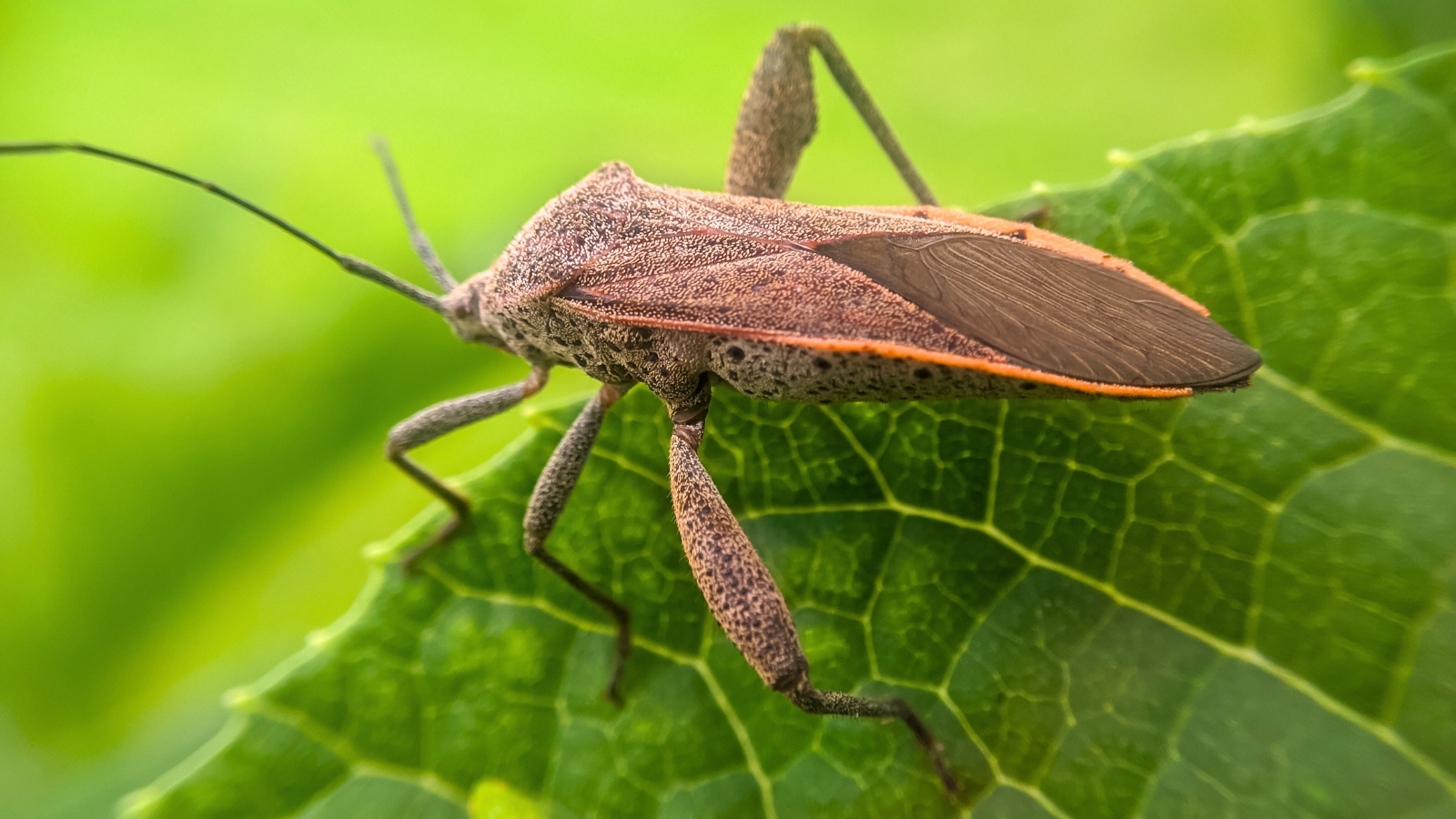
What squash bugs are (and why they are so stubborn)
Squash bugs (most commonly Anasa tristis) are sap-sucking insects that feed on plants in the cucurbit family. They pierce leaves and stems and pull out plant juices. That feeding causes speckling, yellowing, leaf collapse, and sometimes sudden vine wilting that looks like drought stress even when the soil is moist.
They can also spread disease. Squash bugs can transmit the bacteria linked to Cucurbit Yellow Vine Disease, which can cause sudden yellowing and vine collapse. That is one more reason early egg removal and nymph control matters.
What makes them tough is their timing and hiding habits. Adults tuck themselves into plant crowns, under mulch, and under leaves. Eggs are glued down in clusters. If you only spray randomly or only react once plants are wilting, you are usually already behind.
Plants squash bugs attack most
Squash bugs prefer certain crops, but they will spread if food is available and the population builds.
Top targets
- Summer squash: zucchini, yellow squash, pattypan
- Winter squash: butternut, acorn, spaghetti squash
- Pumpkins: especially as vines get dense and shady
Other cucurbits they may hit
- Cucumbers
- Melons (less common, but possible)
If you grow squash and cucumbers in the same bed, check both. Squash bugs often start on squash and then wander.
How to identify squash bugs and their eggs
Correct ID matters because stink bugs, leaf-footed bugs, and assassin bugs get mistaken for squash bugs all the time. You want to remove the pests, not the beneficials.
Quick lookalike tips: Leaf-footed bugs have noticeably flared “leafy” hind legs. Assassin bugs are usually solitary hunters (not clustered) and act like predators, not plant feeders.
Adult squash bugs
- Size: about 1/2 to 3/4 inch long
- Color: mottled gray-brown, often with orange-brown edging on the abdomen
- Shape: flattened, elongated oval (more oval than “shield-shaped,” which is why they get confused with stink bugs)
- Where they hide: under leaves, in the plant crown, under boards and mulch
Nymphs (immature squash bugs)
- Look: smaller and faster; early nymphs can be pale green to whitish with black legs, and later nymphs tend to look more gray
- Behavior: cluster feeding is common, especially early
Eggs
Squash bug eggs are the easiest stage to control if you catch them.
- Color: bronze to coppery brown
- Shape: tiny ovals
- Layout: tight clusters, usually 10 to 30 eggs
- Location: usually on the underside of leaves along veins, but you may also find them on upper leaf surfaces or on stems and leaf stalks
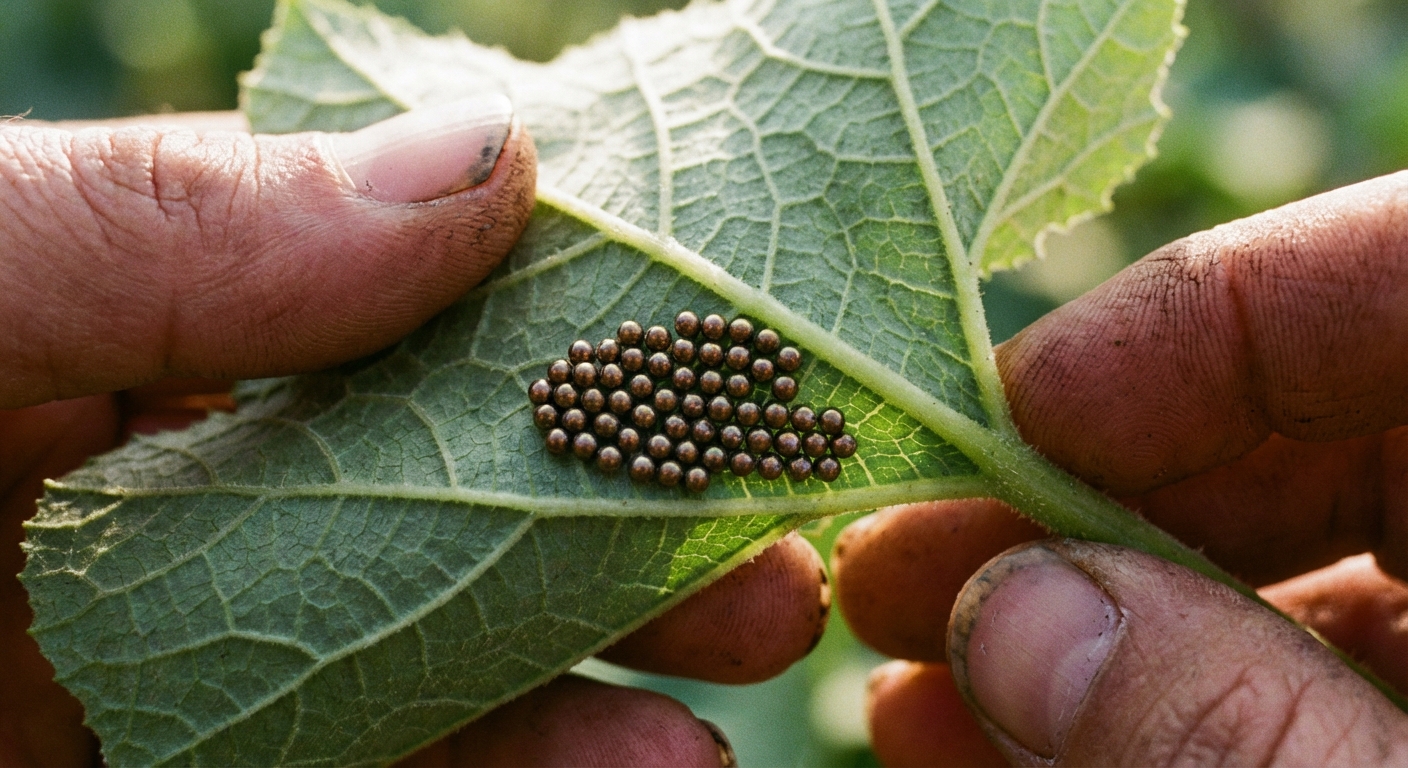
Quick tip: Check the undersides of the oldest, largest leaves first, especially the leaves closer to the base. That is where eggs often show up first.
Natural control that works (start with these)
For squash bugs, natural control is about consistency. A few minutes every couple of days beats a big panic treatment once a month.
1) Handpick adults and nymphs
This sounds old-school because it is. But it is still one of the most reliable methods in a home garden.
- Go out early morning or near dusk when bugs are slower.
- Flip leaves and check the crown area where stems meet the soil.
- Drop bugs into a container of soapy water (a squirt of dish soap in a quart or two of water is enough).
If you hate touching them, wear gloves and use a small cup or a piece of cardboard to knock them into the water.
2) Remove eggs as soon as you see them
Egg removal is the fastest way to stop the next wave.
- Scrape method: Use your fingernail, a butter knife, or an old gift card to scrape eggs into soapy water.
- Tape method: Press a piece of duct tape or packing tape onto the cluster and lift it off.
- Leaf pruning: If the egg cluster is on a small leaf you can spare, snip that leaf and toss it in the trash or seal it in a bag.
Do not just flick eggs onto the soil. Many will still hatch.
3) Use a trap board to collect hiding adults
Adults like to hide at night. You can use that habit against them.
- Lay a board, shingle, or a piece of cardboard near the base of your squash plants.
- In the morning, lift it up and check underneath.
- Squash bugs will often be tucked under it. Drop them into soapy water.
This is especially helpful once vines start crawling and it gets hard to see under the canopy.
Neem oil: how to use it well
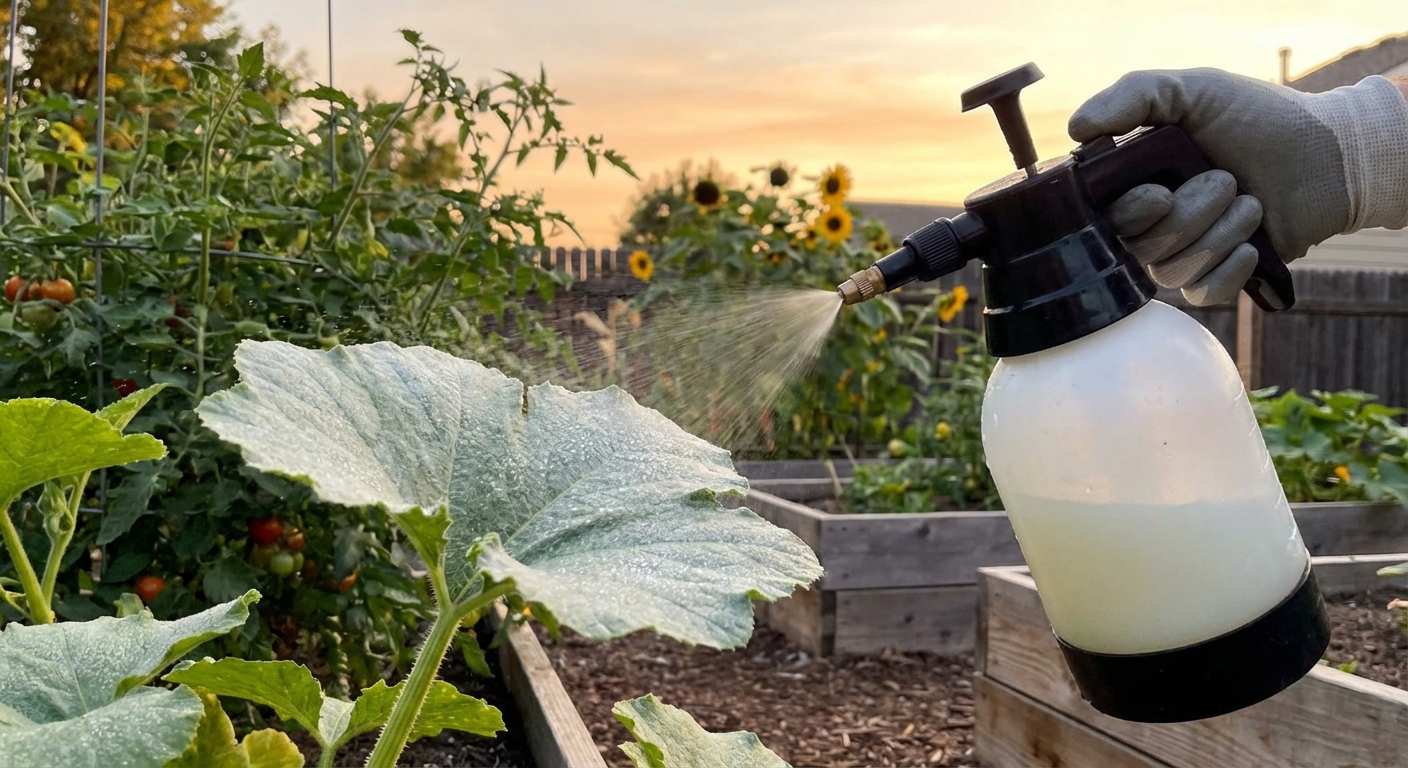
Neem can help, but it is not a magic “one and done” spray. It works best on young nymphs and as a deterrent when applied correctly. Adult squash bugs are harder to kill with neem.
Best practices
- Spray in the evening to reduce risk to pollinators and avoid leaf burn.
- Target the undersides of leaves and the crown area where bugs feed and hide.
- Reapply every 5 to 7 days during active pressure, and after heavy rain.
What to expect
Neem tends to slow feeding and disrupt development. You should see fewer new nymph clusters and less fresh damage over time, especially if you are also removing eggs.
Important: Any spray, even “natural,” can harm beneficial insects if used carelessly. Avoid spraying open flowers, and keep applications focused where the bugs are.
DE and kaolin clay (common options)
If you prefer a dry approach, two popular organic tools are diatomaceous earth (DE) and kaolin clay. They can help, but they work best as part of a bigger routine, not as a standalone fix.
Diatomaceous earth (DE)
- DE can damage soft-bodied insects and young nymphs when they crawl through it.
- It needs to stay dry to work, and it stops working after rain or heavy dew.
- Use it carefully. It can also harm beneficial insects on contact, so avoid dusting flowers and avoid broadcasting it everywhere.
Kaolin clay
- Kaolin clay works more like a barrier and deterrent by coating plant surfaces.
- It can reduce feeding and egg-laying in some gardens, but coverage has to be thorough and it needs reapplication after rain.
- Do not spray open flowers if pollinators are active.
If you try either one, use it alongside egg checks and handpicking. That combo is what keeps populations from snowballing.
Row covers: easy prevention
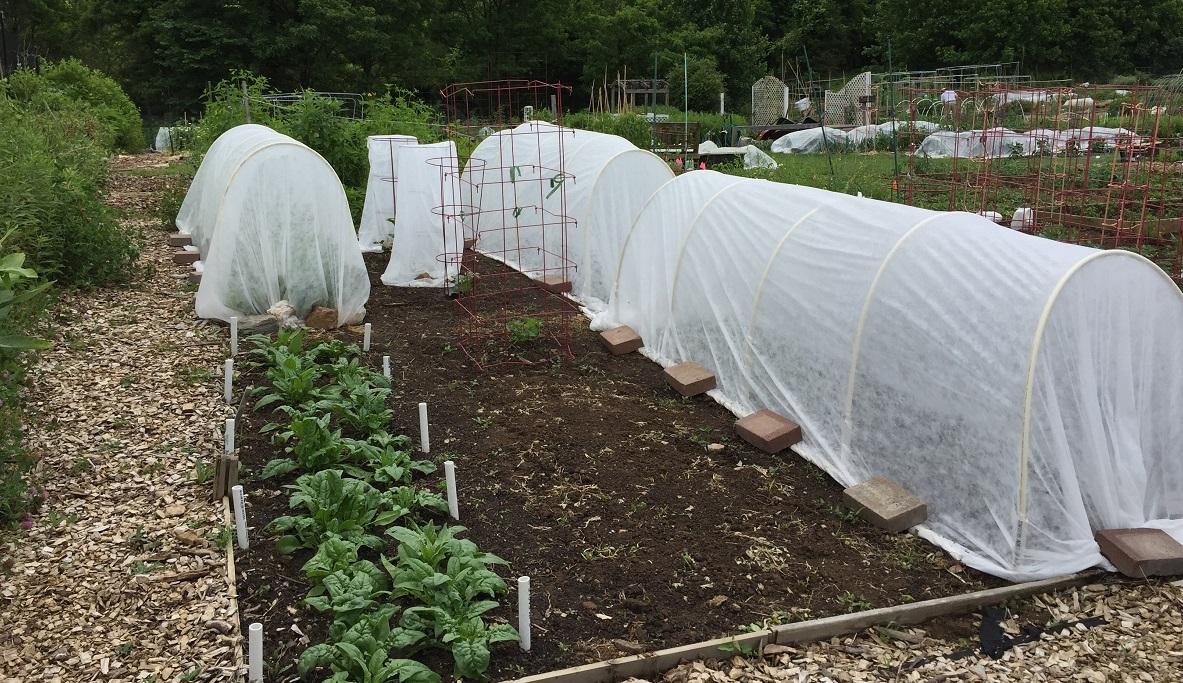
If squash bugs show up every year in your garden, row covers can be a game changer. The idea is simple: keep adults from laying eggs on your plants in the first place.
How to do it
- Inspect plants first before covering so you do not trap adults or eggs inside.
- Cover young squash plants with lightweight fabric row cover right after planting.
- Secure edges tightly with soil, boards, or landscape staples so bugs cannot crawl in.
- Use hoops if possible so the fabric does not press hard on the leaves.
When to remove (pollination matters)
Most squash and pumpkins need pollinators once they start flowering. At that point, you have options:
- Remove the cover when flowering starts and switch to egg checks and handpicking.
- Hand pollinate and keep covers on longer if squash bugs are severe in your area.
Nasturtiums as a companion
Companion planting will not replace egg removal, but it can support your overall pest strategy.
What nasturtiums can do
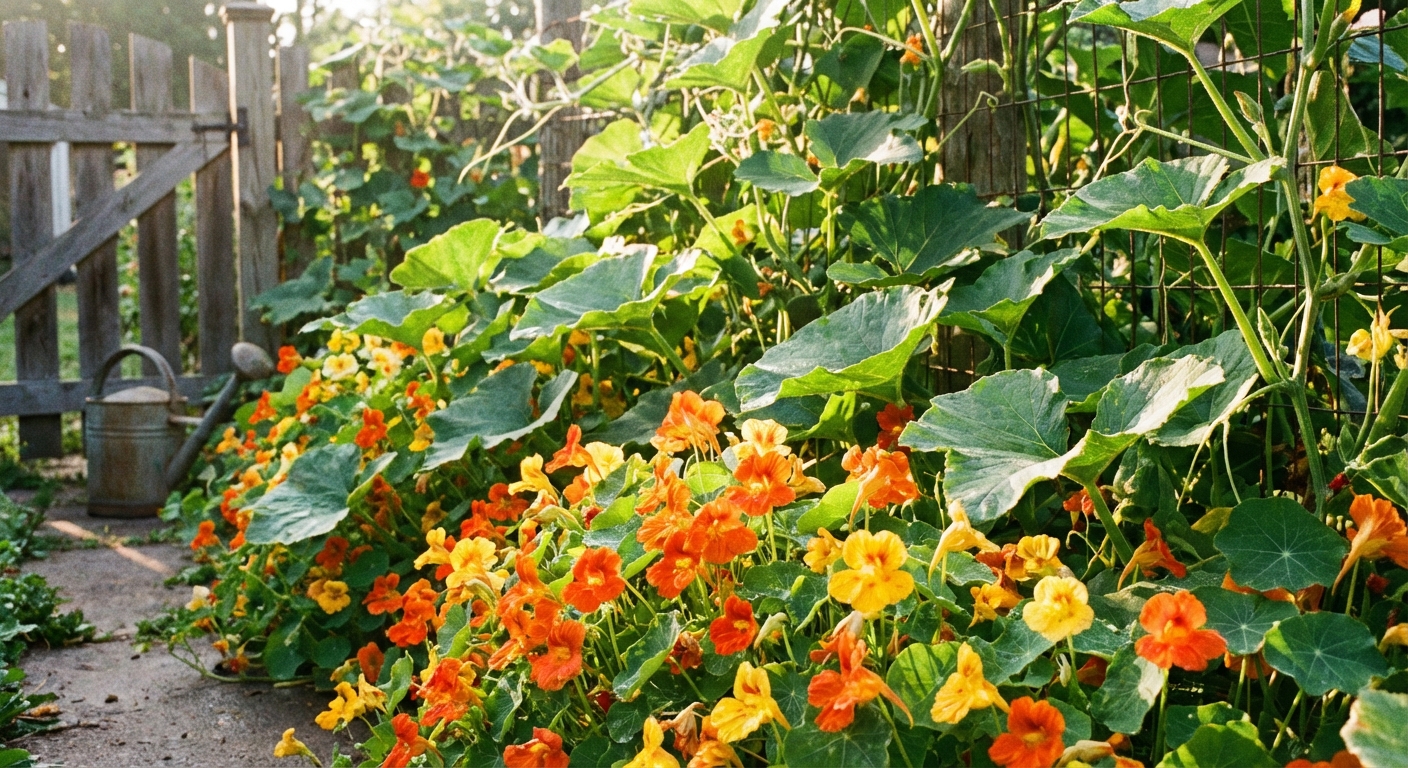
Nasturtiums are often used to boost garden diversity and draw in beneficial insects. Some gardeners also report they help pull pest attention away from cucurbits, but results are mixed. Think of them as a helpful add-on, not a primary control.
How to plant them
- Plant nasturtiums along the border of your squash bed or near the ends of squash rows.
- Give them room to spill a bit, but do not let them smother young squash plants.
- Check nasturtiums for pest activity too. If you notice squash bugs gathering there, treat that area like a collection zone for handpicking.
Crop rotation and fall cleanup
If you are fighting squash bugs every summer, there is a good chance they are overwintering nearby. Adults survive winter in sheltered spots and reappear when cucurbits return.
Rotate cucurbits if you can
- Avoid planting squash, pumpkins, and cucumbers in the same spot year after year.
- If space is tight, rotate as far as possible, even to the other side of the yard.
Clean up at the end of the season
- Remove spent vines and dropped fruit promptly.
- Pull weeds and clear thick mulch layers where adults like to hide.
- Do not leave piles of squash vines next to the garden, since that debris can become a hiding place for overwintering adults. Compost hot if you are confident your pile heats up, or bag and dispose.
This is not the fun part, but it is one of the most effective long-term steps you can take.
A simple weekly routine
If you want a realistic plan you can stick with, here is a basic rhythm that works for most backyard gardens.
Two times per week (10 minutes each time)
- Check undersides of leaves for eggs and remove them, starting with larger leaves near the base.
- Handpick adults and nymphs, especially around the crown.
- Look for wilting leaves and trace the vine back to the base to inspect hiding spots.
Once per week during heavy pressure
- Apply neem oil in the evening, focusing on leaf undersides and the crown (skip open flowers).
- Lift trap boards in the morning and collect adults.
Done consistently, this is usually enough to prevent the “sudden collapse” phase that ruins harvests.
Common questions
Will dish soap spray kill squash bugs?
Soapy water can kill bugs you directly hit, especially nymphs. It is not a great long-term leaf spray because it can stress plants if overused. I prefer using soapy water as a dunk bucket for handpicking.
Why are my plants wilting even though I water?
Squash bug feeding can cause wilting that looks like drought. Cucurbit Yellow Vine Disease can also cause yellowing and collapse. And squash vine borers cause sudden wilting too.
A quick way to narrow it down: vine borer damage often shows up as a single runner that suddenly wilts, and you may see a small hole with sawdust-like frass near the base. Squash bug problems tend to come with visible clusters of bugs, eggs, and leaf damage. When in doubt, inspect the crown, the undersides of leaves, and the base of the vine.
When should I start checking for eggs?
Start as soon as plants have several true leaves and begin vining. In many areas, eggs show up in early to mid summer, but it varies. If you see adults, assume eggs are coming soon.
When is it OK to stop fighting and focus on cleanup?
If plants are late-season, barely producing, and heavily infested, it can be smarter to pull them and do a thorough cleanup so you reduce next year’s pressure. You will often save more harvest by protecting younger, healthier plants than by trying to rescue a collapsing vine.
Bottom line
To get rid of squash bugs naturally, focus on the stages you can control best: eggs and young nymphs. Handpicking plus egg removal is the core. Neem oil can help when used correctly. Row covers prevent the problem early (as long as you inspect first and seal the edges). DE or kaolin clay can be useful with careful application. Nasturtiums can support your bed, but treat them as supplemental. And crop rotation plus fall cleanup makes next year easier.
If you want one thing to remember: find the eggs, remove the eggs, repeat. That is how you win this one.