How to Get Rid of Spiders in Your House Naturally

Jose Brito
I’m Jose Britto, the writer behind The Country Store Farm Website. I share practical, down-to-earth gardening advice for home growers—whether you’re starting your first raised bed, troubleshooting pests, improving soil, or figuring out what to plant next. My focus is simple: clear tips you can actually use, realistic expectations, and methods that work in real backyards (not just in perfect conditions). If you like straightforward guidance and learning as you go, you’re in the right place.
Seeing a spider in the corner is often a sign of two things: your home has easy entry points, and there is something for them to eat. That said, spiders also wander indoors for shelter and seasonal temperature changes, and some species simply do well inside even when prey is limited. The good news is you can make big progress without foggers or heavy sprays. The goal is not to “win” against every single spider forever. The goal is to stop new spiders from coming in and make your house a lousy place for them to hang out.
This guide walks through natural repellents (peppermint, vinegar, chestnuts), the home maintenance steps that matter most, and a quick rundown of which common house spiders are harmless versus worth a closer look.
Start with the basics: remove webs and cut off their food supply
If you only spray repellents, you will often keep seeing spiders because the underlying setup stays the same. Do these first for fast, noticeable improvement.
1) Knock down webs and egg sacs
- Vacuum webs in corners, behind furniture, along basement joists, and around windows. Use a crevice tool.
- Look for egg sacs (small, papery balls often tucked into a web or crevice). Vacuum them too.
- Empty the vacuum outside right away if possible.
Many spiders return to productive web sites if undisturbed. Removing webs makes them “start over” and often pushes them elsewhere.
2) Reduce the insects that attract spiders
Most spiders are not interested in you. They are interested in the bugs that are interested in your home.
- Fix leaky pipes and damp areas that attract small insects.
- Keep food sealed and wipe crumbs, especially at night.
- Use screens on windows and keep door sweeps in good shape.
Natural spider repellents worth trying
Repellents work best as a “boundary” tool: around entry points and along the edges where spiders travel. They are not magic. They also need reapplying, especially after cleaning. Evidence is mixed and results vary by species, so think of these as helpful support, not a guaranteed fix.
Peppermint oil spray
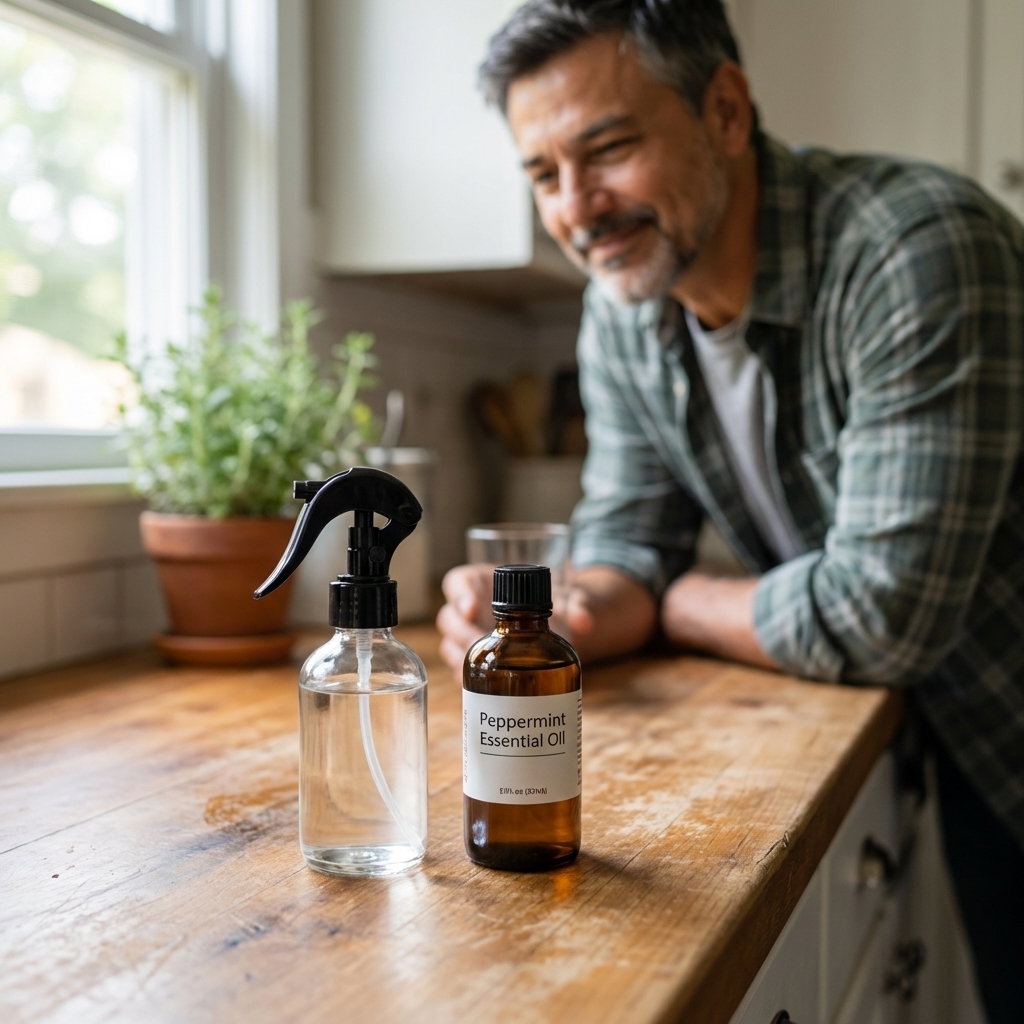
Peppermint has a strong scent that many people report helps discourage spiders, especially when used consistently along baseboards and windows.
- Mix: 10 to 20 drops peppermint essential oil + 2 cups water + a small squirt of mild dish soap (helps the oil disperse).
- Where to use: window trim, door frames, baseboards, behind toilets, under sinks, basement corners.
- How often: every few days at first, then weekly.
Safety note: Essential oils can irritate pets and people if overused. Keep sprays light, avoid direct contact with pets, and do not spray where cats can lick it. Test on a small hidden spot first to avoid staining.
Vinegar spray
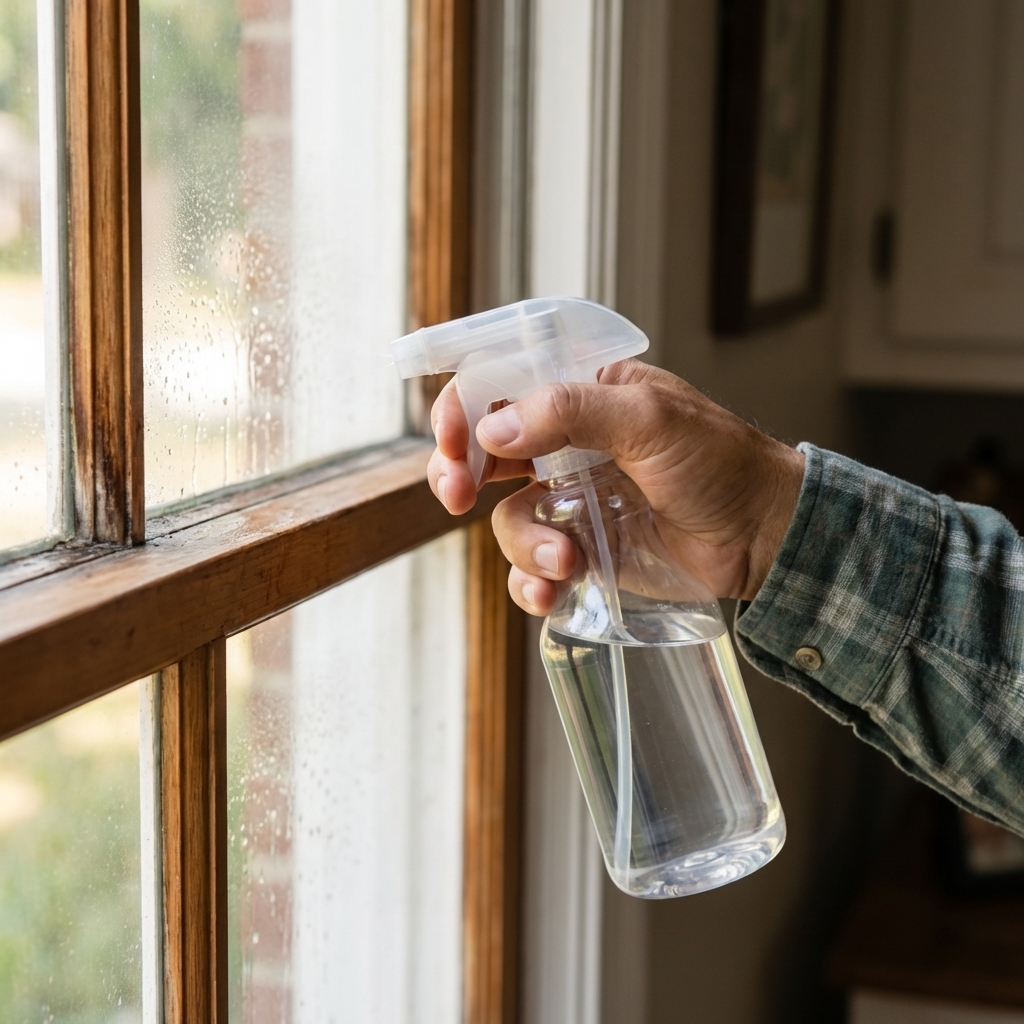
White vinegar has a sharp smell that can help discourage spiders when sprayed along thresholds and corners.
- Mix: 1 part white vinegar + 1 part water.
- Where to use: entry points, basement corners, behind appliances.
- Avoid on: many natural stones, especially marble, limestone, and travertine, plus some granite finishes. When in doubt, test first in a hidden spot and wipe dry.
Safety note: Vinegar fumes can be irritating in small spaces. Use with ventilation and avoid spraying directly around pets’ bedding, food bowls, or sensitive noses.
Chestnuts
You will hear people swear by horse chestnuts or sweet chestnuts placed near entry points. Evidence is mostly anecdotal, but it is low effort and low risk in areas where they will not attract pets or get moldy.
- Place a few near windowsills, in corners, or by basement entry doors.
- Replace them if they dry out, crack, or start to smell.
Cedar and citrus scents
Cedar blocks in closets and a light citrus-based cleaner along baseboards can help a little, mainly as part of an overall “not spider-friendly” routine. Results vary, so treat these as a mild add-on, not the main strategy.
Seal entry points
If spiders can slip in, they eventually will, especially when weather shifts push them to find shelter. Sealing also blocks the insects they feed on, which is a double win.
Quick checklist
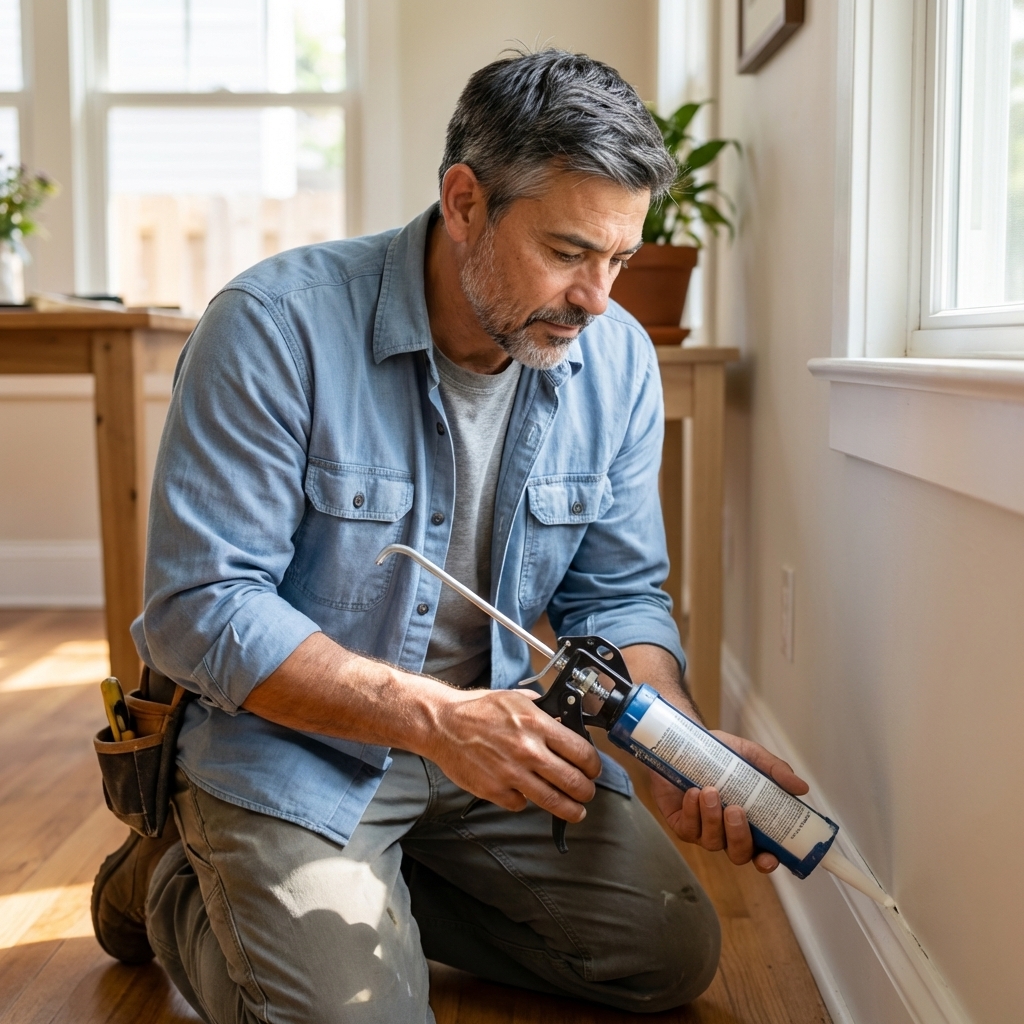
- Caulk cracks along baseboards, around plumbing penetrations, and gaps around window trim.
- Weatherstrip exterior doors and add a snug door sweep.
- Repair screens and make sure they sit tight in the frame.
- Seal around utility lines where cable, AC lines, and pipes enter the house.
- Check the garage: gaps at the bottom and sides of the garage door are common entry routes.
If you are not sure where they are coming from, do a quick nighttime check outside with a flashlight. You will often spot insects gathering around lights and around door frames, which points you to the best places to seal and treat.
Declutter and clean hiding spots
Spiders love the same things we ignore: dark, quiet areas that do not get disturbed.

- Swap cardboard for plastic bins in basements, garages, and closets. Cardboard holds moisture and gives insects hiding spots.
- Pull items away from walls by a few inches, especially in storage areas.
- Vacuum edges: under beds, behind dressers, along baseboards, and in closet corners.
- Reduce floor piles of clothing, towels, and kids’ toys in low-traffic rooms.
This is one of the most boring steps, but it is also one of the most effective long term.
Outdoor lighting
Bright lights at night attract flying insects. Insects attract spiders. So if you have a porch light blazing every evening, you are basically running a bug buffet right next to your door.
Easy fixes
- Use yellow “bug” bulbs or warmer-colored LEDs outdoors. They can reduce attraction for many insects, though not all.
- Put exterior lights on a motion sensor instead of leaving them on all night.
- Move lights away from doors if possible, or use downward-facing fixtures.
- Keep webs cleared from porch corners and eaves so spiders do not set up shop near entry points.
Outdoor cleanup that helps
If spiders are coming from outside, a little perimeter housekeeping makes a noticeable difference.
- Trim vegetation that touches siding, windows, and door frames.
- Clear leaf litter and debris near the foundation.
- Store firewood off the ground and away from the house when possible.
- Keep mulch from piling against siding and avoid creating damp, sheltered pockets right next to the home.
- Check foundation vents and crawlspace screens for gaps.
Harmless vs concerning spiders
Most indoor spiders are more helpful than harmful because they eat other pests. Still, it helps to know what you are looking at. If you are ever unsure, do not handle it with bare hands. Use a cup-and-paper method or a vacuum.
Common, usually harmless
- Common house spider (often found in corners, makes messy webs): generally harmless and shy.
- Cellar spider (long legs, often in basements): harmless, and they can even prey on other spiders.
- Jumping spiders (small, active, often seen on walls in daylight): harmless and not web-focused.
- Orb weavers (more common outdoors, round “classic” web): harmless and beneficial around gardens.
Use caution
Actual risk depends on where you live. Two groups get mentioned most often in the US.
- Widow spiders (black widow and relatives): shiny dark body, often a red or orange hourglass marking on the underside. They prefer undisturbed areas like woodpiles, sheds, and garage corners.
- Recluse-type spiders (brown recluse in certain regions): light to medium brown and often found in cluttered, undisturbed storage. They are region-limited, and many harmless spiders get mistaken for them. The “violin” marking is commonly mentioned but is not a reliable ID on its own.
If you suspect a medically significant spider in your home: avoid DIY handling, keep kids and pets away from the area, and consider a local pest professional for identification and targeted control. Seek medical advice promptly for any bite with escalating pain, spreading redness, blistering, fever, or systemic symptoms.
Monitoring without sprays
If you want a simple, non-spray way to track progress, use monitoring tools. They help you confirm where the activity actually is, which makes your sealing and cleaning more targeted.
- Glue traps along baseboards in garages, basements, behind appliances, and near suspected entry points. Keep them away from kids and pets.
- Use what you catch as clues: lots of small insects means you will keep seeing spiders until the insect pressure drops.
- Replace regularly and note which spots are most active.
When to call a pro
DIY works well for typical house spider situations, but it is smart to bring in help when the risk or volume is higher.
- You keep seeing spiders after sealing and cleaning, especially in large numbers.
- You suspect a widow or recluse-type spider, or you cannot confidently identify what you are seeing.
- There are repeated sightings in a nursery, near beds, or in high-risk storage areas.
- You had a bite with worsening symptoms, or you have vulnerable household members (small kids, elderly, immunocompromised, sensitive pets).
Seasonal prevention tips
Spider sightings often spike during seasonal transitions. Planning ahead saves you from the “why are there spiders everywhere?” week.
Spring
- Deep clean corners, basements, and garages after winter.
- Repair window screens before you start opening windows regularly.
- Trim vegetation touching the house, especially near windows and doors.
Summer
- Manage outdoor lighting to reduce insects near doors.
- Keep patio and porch webs swept down weekly.
- Watch moisture: dehumidify damp basements to reduce insect activity.
Fall
- Seal gaps and add door sweeps before temperatures drop.
- Bring in firewood carefully and store it outside, off the ground, away from the house.
- Do a perimeter sweep: vacuum, then apply your peppermint or vinegar spray along baseboards and entry points.
Winter
- Keep storage areas tidy and off the floor.
- Continue vacuuming edges and behind furniture monthly.
- Check for condensation and fix drafts that create damp pockets.
A simple plan for this week
- Day 1: Vacuum webs and corners, especially basements, closets, and behind furniture.
- Day 2: Seal the obvious gaps: door sweep, weatherstripping, quick caulk touch-ups.
- Day 3: Declutter one spider-prone area (garage corner, under-bed storage, laundry pile zone).
- Day 4: Spray peppermint or vinegar along entry points and baseboards.
- Weekly: Quick perimeter clean, reapply repellent, and keep outdoor lights bug-smart.
Done consistently, this combination does more than chase spiders around. It makes your home less welcoming to the insects that bring them in, and less convenient for spiders that wander inside looking for shelter.
FAQ
Do natural repellents kill spiders?
Most natural options are better at discouraging and redirecting spiders than killing them. For long-term results, combine repellents with sealing entry points and reducing insects.
Is it okay to leave a few spiders alone?
In many cases, yes. Most common house spiders are harmless and can help reduce other pests. If you have kids, pets, allergies, or a medically concerning species, it is reasonable to remove them.
Why do I keep finding spiders in my bathroom?
Bathrooms offer water and humidity, and they attract small insects like gnats. Run the fan, fix leaks, reduce clutter under the sink, and seal gaps around pipes.
What is the best one thing to do?
If you only pick one, seal entry points and add a door sweep. That single step stops a lot of spider traffic before it starts.