How to Get Rid of Millipedes in Your House

Jose Brito
I’m Jose Britto, the writer behind The Country Store Farm Website. I share practical, down-to-earth gardening advice for home growers—whether you’re starting your first raised bed, troubleshooting pests, improving soil, or figuring out what to plant next. My focus is simple: clear tips you can actually use, realistic expectations, and methods that work in real backyards (not just in perfect conditions). If you like straightforward guidance and learning as you go, you’re in the right place.
Millipedes are one of those pests that can make your skin crawl even though they are not out to bite you. If you're seeing them in a basement, bathroom, garage, or along baseboards, it is most often a sign of excess moisture. That said, sudden weather swings, outdoor population spikes, and landscaping that stays damp near the foundation can also trigger a wave of indoor sightings, even when your indoor humidity is not extreme.
The good news is that millipedes are usually easier to manage than many household pests because they typically do not build thriving indoor infestations the way roaches or ants can. In consistently damp areas like a wet basement or crawl space, they can hang around longer and may even lay eggs, so moisture control still matters.
Below is the practical, homeowner-friendly approach I recommend: remove the ones you see, dry out the conditions that invited them, and seal common entry points so the problem does not keep repeating.
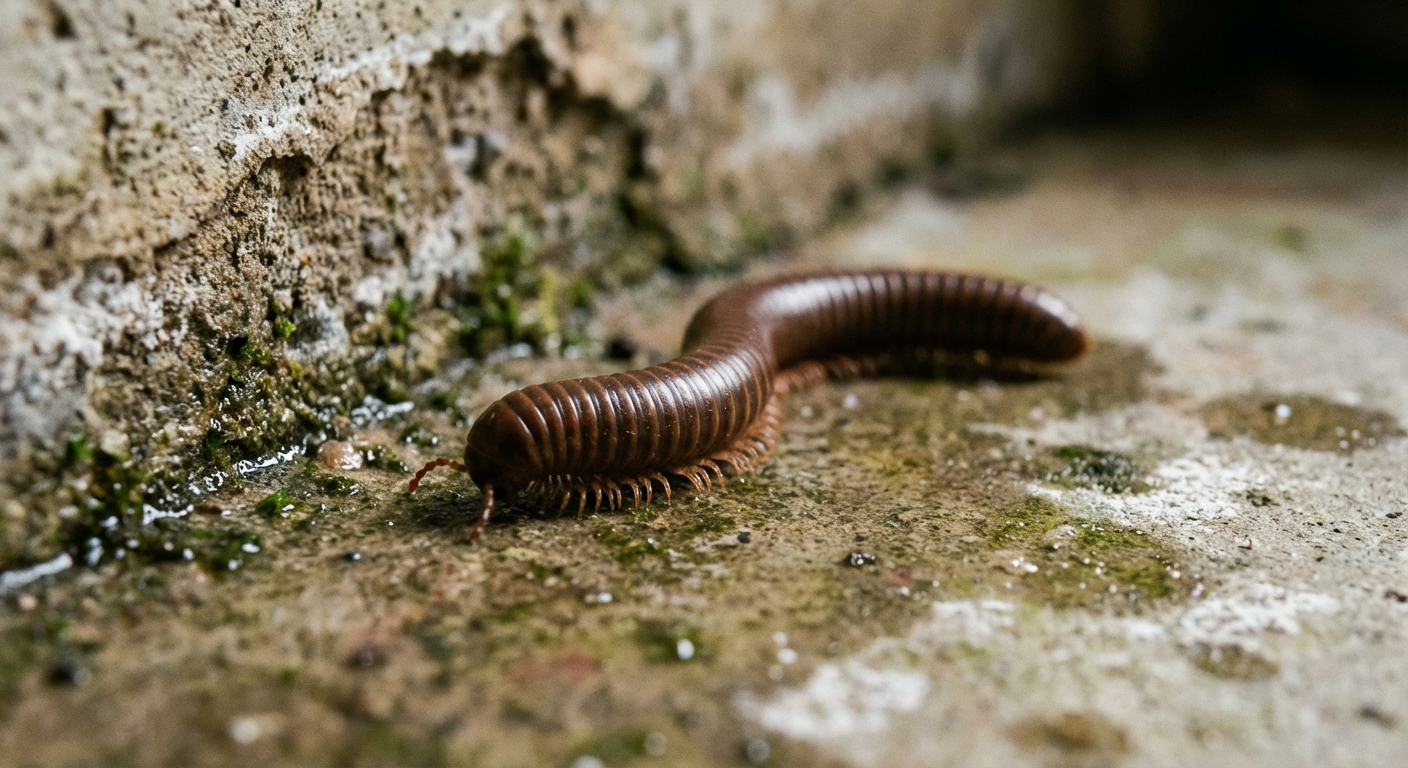
Millipede or centipede? Quick ID
People mix these two up all the time, and it matters because they behave differently indoors.
Millipedes
- Body: rounder, more tube shaped
- Legs: lots of short legs tucked under the body
- Speed: slow and clumsy
- Defense: curls into a C shape or spiral and may release a mildly irritating fluid
- Risk: rarely bite; mostly a nuisance
Centipedes
- Body: flatter
- Legs: longer legs that stick out to the sides
- Speed: fast
- Diet: predators that hunt insects and spiders
- Risk: can bite if handled, though bites are uncommon
If what you've got is slow-moving and curling up when disturbed, you're almost certainly dealing with millipedes. In my experience, that quick “curl and crawl” behavior is the easiest tell during a real-life basement sighting.
Why millipedes come inside
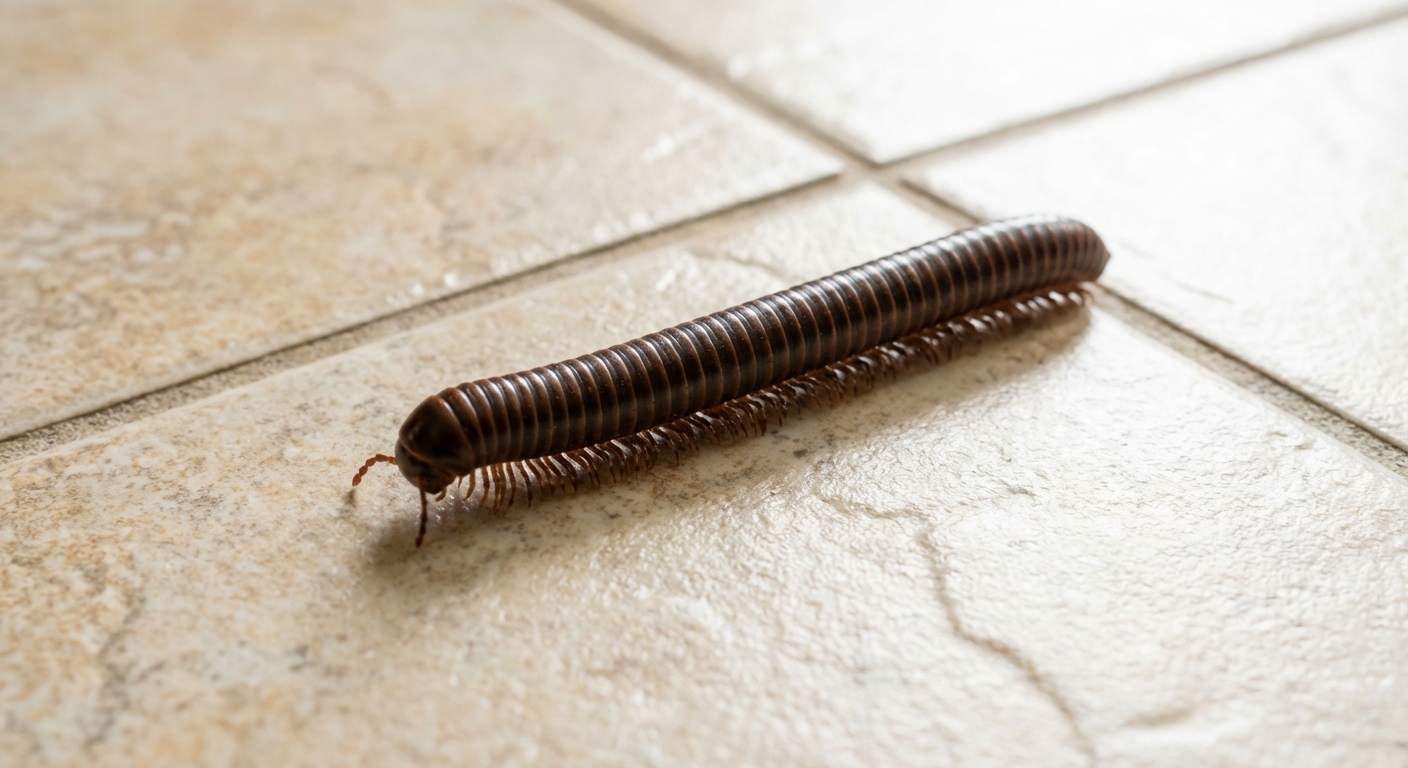
Millipedes live outside in damp places, feeding on decaying leaves, mulch, and other organic matter. Most end up indoors by accident or because outdoor conditions suddenly changed and pushed them toward the house.
Common triggers
- Damp conditions: wet basements, crawl spaces, leaky pipes, high humidity, wet floor drains
- Weather swings: heavy rain can drive them out of saturated soil, and drought can push them to search for moisture
- Season changes: fall and spring are peak times in many regions
- Outdoor habitat against the house: thick mulch, leaf piles, groundcover, compost, stacked firewood touching siding
- Potted plants: damp potting mix can occasionally bring them close to doors or indoors
Millipedes do not want to live in your living room. Most wander in and then die off because indoor air is too dry for them long-term. That is why you might see several over a few days and then a lull.
Where they hide indoors
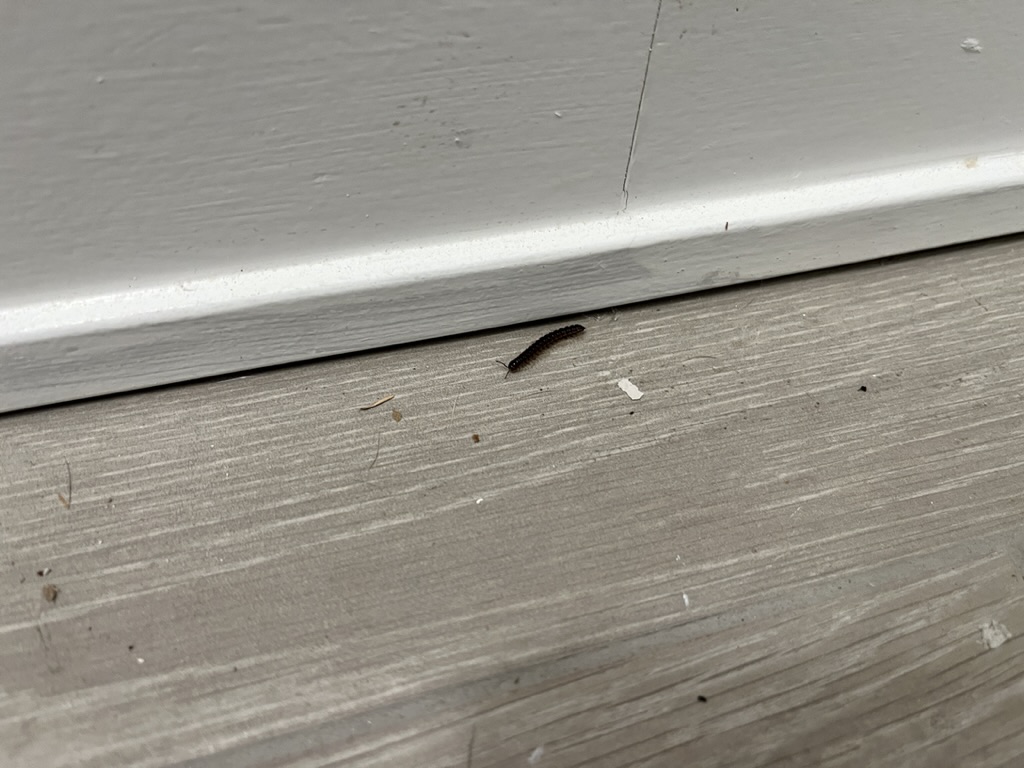
Think cool, dark, and damp. They also tend to follow edges, so baseboards and slab edges become their “travel lanes.”
- Basements and crawl spaces
- Bathrooms, laundry rooms, and utility rooms
- Under floor mats and stored items on concrete
- Along baseboards near exterior doors
- Near sump pumps, floor drains, and foundation walls
- Inside garages, especially along the slab edge
Get rid of the ones you see
1) Vacuum or sweep
This is the fastest fix for active sightings. Use a vacuum hose for corners and edges, then empty the canister or bag outdoors right away. If you'd rather not vacuum them, sweep them into a dustpan and discard them outside.
2) Trap stragglers
If you're seeing millipedes at night, place a few traps for a couple days:
- Damp newspaper trap: lightly moisten a folded newspaper and set it near where you see activity. Check in the morning. Then dispose of the paper in a sealed bag or an outdoor trash bin with a lid so they do not crawl back toward the house.
- Sticky traps: place along baseboards and near doors in basements and garages. This also helps you confirm where they are traveling.
3) Address the damp spot
If millipedes keep showing up in one area, treat it like a moisture issue first. Fix leaks, improve ventilation, and run a dehumidifier if needed. More on that below.
Prevention: make it drier
If you only remove the millipedes you see, you're likely to keep getting new ones. The long-term solution is to make your home less inviting.
Reduce indoor humidity
- Basements: a common target is about 40% to 50% relative humidity. You might run a bit higher seasonally to avoid over-drying in winter, depending on your home and climate.
- Bathrooms and laundry: run exhaust fans during and after showers, vent the dryer outside
- Crawl spaces: consider a vapor barrier and proper ventilation or encapsulation, depending on your climate and local building practices
Fix water problems
- Repair leaky hose bibs, pipes, and water heaters
- Clear and maintain sump pumps and floor drains
- Re-grade soil so water drains away from the foundation
- Keep gutters clean and extend downspouts away from the house
In my experience, once the damp edge is addressed, the “mystery millipede invasion” often stops within a week or two.
Seal entry points
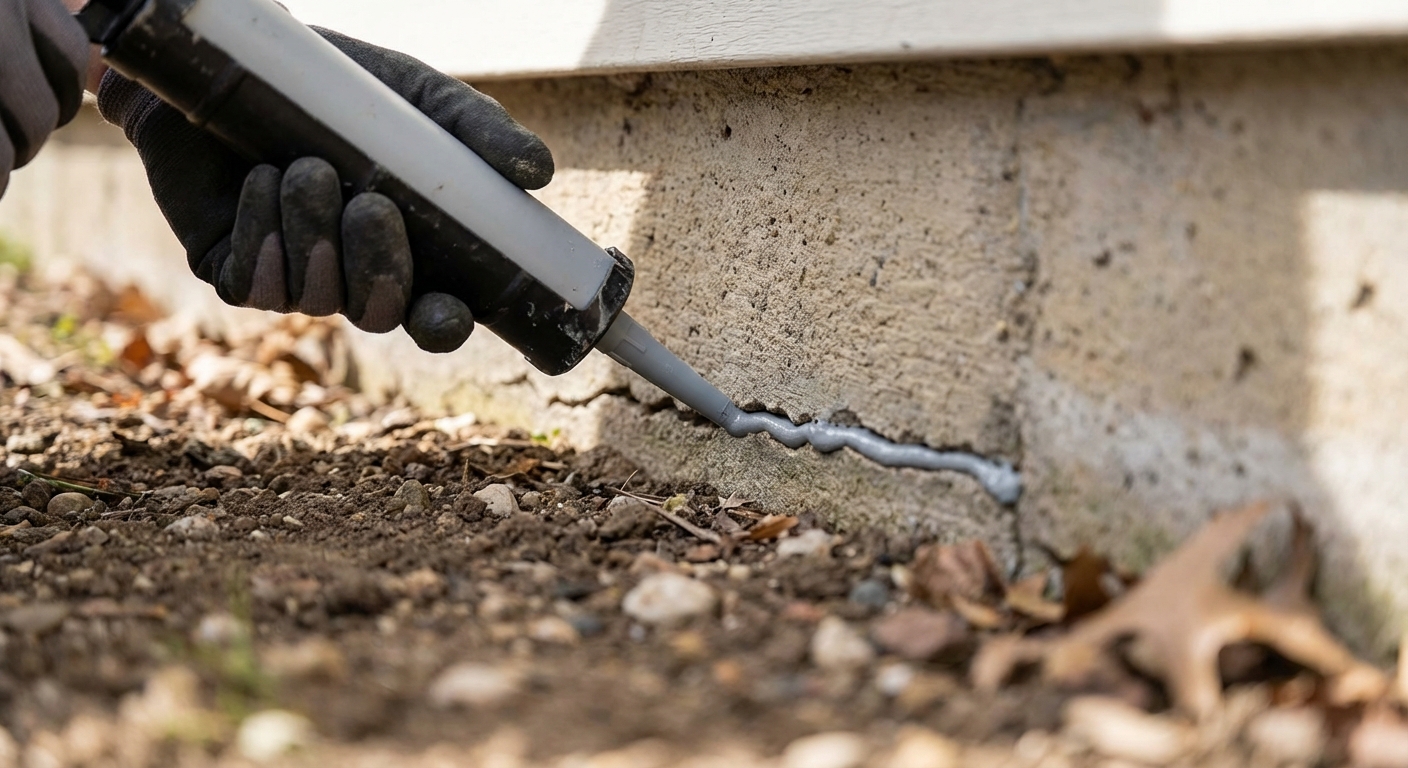
Millipedes squeeze through surprisingly small gaps. After moisture control, sealing is the next big win.
Where to check
- Door thresholds and weatherstripping, especially basement and garage doors
- Cracks in the foundation and gaps where the slab meets the wall
- Utility penetrations: pipes, wires, AC lines, sump discharge
- Window wells and basement windows
What to use
- Silicone or polyurethane caulk for small cracks and gaps
- Expanding foam for larger gaps around pipes (use carefully and trim cleanly)
- Door sweeps for exterior doors
Diatomaceous earth (DE)
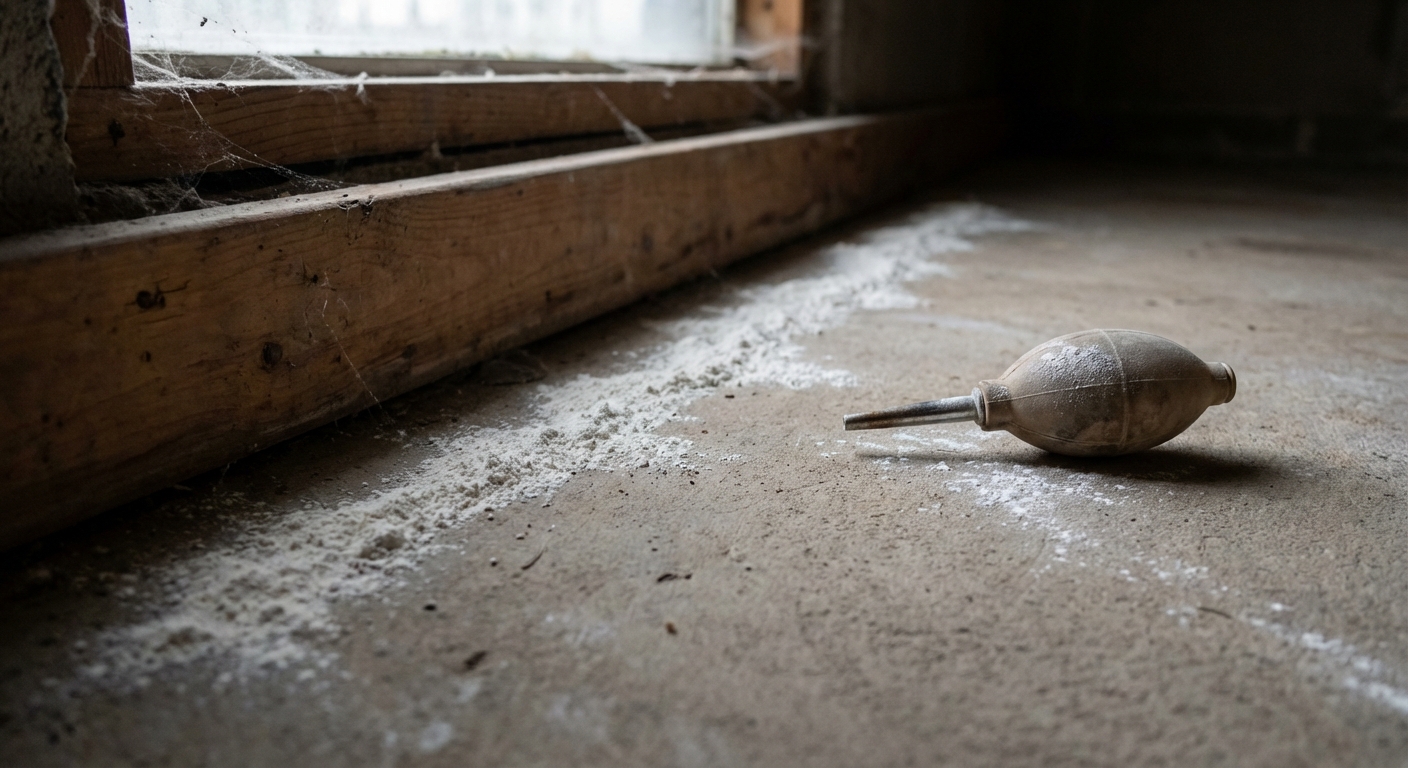
Diatomaceous earth, often called DE, is a natural powder that can help with crawling pests. It works through abrasion and dehydration. For millipedes, results can be mixed because they prefer damp areas and DE stops working once it gets wet, but it can still help as a dry, targeted barrier in the exact places they travel.
How to use DE safely
- Choose food-grade diatomaceous earth, not pool grade
- Apply a thin dusting in dry areas: along baseboards in unfinished basements, around door thresholds, and near cracks
- Keep it dry. Reapply if it gets damp or washed away
- Avoid breathing the dust. Wear a mask during application and keep pets and kids away until it settles
DE is not magic, but it's a useful support tool when combined with drying and sealing.
Essential oils (limited evidence)
Some homeowners report good luck discouraging millipedes with strong scents. Evidence is limited and results vary, so think of this as a light deterrent for entry points, not a cure for a damp basement.
Oils people commonly use
- Peppermint
- Tea tree
- Eucalyptus
- Lavender
Simple spray method
Mix water with a small amount of essential oil and a drop of mild dish soap in a spray bottle, then apply to door thresholds, window wells, and exterior cracks. Reapply after rain.
Important: Essential oils can irritate pets and can damage some surfaces. Spot test first, and do not spray where cats can lick or rub.
Outdoor fixes that help fast
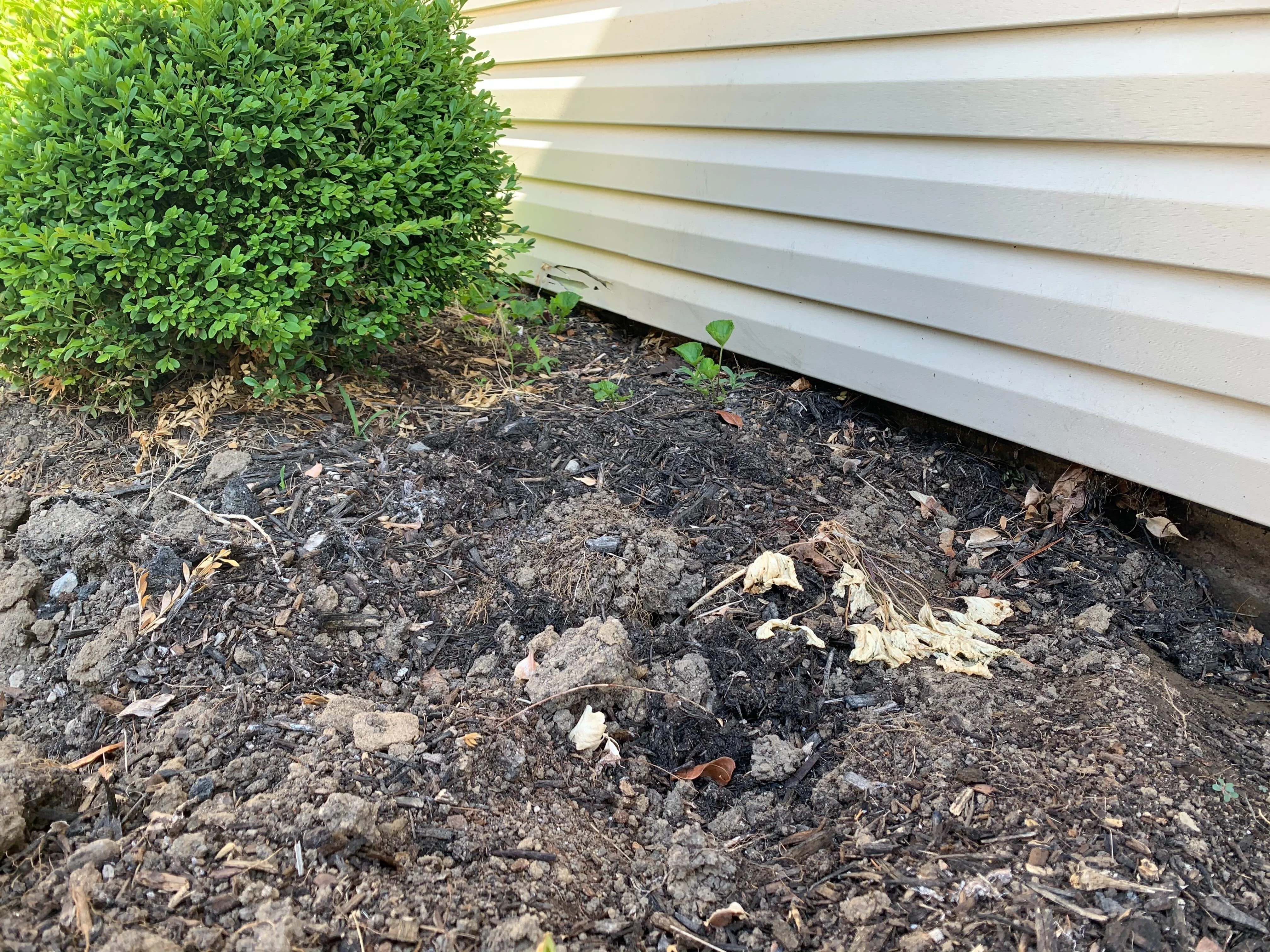
If millipedes are piling up outside near doors or foundation walls, fix the habitat on the exterior side too. This is often where the real problem is.
- Pull mulch back 6 to 12 inches from the foundation and keep it thin
- Remove leaf piles and soggy groundcover right against the house
- Store firewood off the ground and away from the house
- Improve drainage around walkways and downspout areas
- Limit overwatering foundation plantings
This is the boring work, but it is often what makes the problem go away for good.
Do they bite or damage houses?
Millipedes rarely bite people, and they do not damage structures like termites. The main issue is the defensive secretion some species release, which can smell unpleasant and may irritate skin or eyes.
The main downsides are:
- They're startling and unpleasant to find indoors
- Defensive fluid can stain and may irritate skin
- If they die indoors, you might find dried bodies near baseboards
Quick safety and cleanup
- Use a tissue or gloves to pick them up, and wash hands afterward
- Avoid touching your eyes after handling them
- If you get secretion on skin, rinse with soap and water
- If there is staining on hard surfaces, start with warm soapy water. Test a small spot before using stronger cleaners
What not to do
- Do not rely on indoor foggers or bombs. They are messy and usually do not solve the moisture and entry problem.
- Do not apply DE in wet areas and expect it to work. It needs to stay dry.
- Do not keep mulch, leaf litter, or constantly wet soil pressed against the foundation.
- Do not ignore a leak or damp crawl space and keep treating symptoms instead.
Chemical options (if needed)
If you're doing the moisture and sealing work and still getting heavy activity, a labeled residual insecticide can help as an outdoor perimeter treatment. Look for products labeled for millipedes and foundation perimeter use, and follow the label exactly. Focus on cracks, entry points, and the foundation line rather than broad indoor spraying. If you have kids, pets, or a sensitive situation, a pest control pro can choose a product and placement plan that fits your home.
When to call a pro
If you've handled the obvious moisture fixes, sealed common gaps, and you're still seeing millipedes daily for more than a couple weeks, it's time for a pest control inspection.
A professional can help identify:
- Hidden moisture sources (crawl space issues, broken drains, poor grading)
- Entry points you cannot easily see
- Whether you're actually dealing with a different pest that looks similar at a glance
In my experience, the best pros do not just spray. They help you find the damp source and the entry route so the issue stops repeating.
Quick checklist
- Vacuum or sweep up millipedes and discard outside
- Run a dehumidifier in damp areas and fix leaks
- Seal cracks, add door sweeps, and weatherstrip
- Use food-grade diatomaceous earth in dry travel zones
- Adjust outdoor mulch, leaves, and drainage near the foundation
- Use essential oil deterrents as a light support, not the main plan
- Consider an outdoor perimeter treatment if the pressure is high and other steps are in place
Millipedes are one of those pests where the long-term solution is less about sprays and more about lowering dampness and tightening up the house. Do those two things and the sightings usually fade fast.