How to Get Rid of Grubs in Your Lawn

Jose Brito
I’m Jose Britto, the writer behind The Country Store Farm Website. I share practical, down-to-earth gardening advice for home growers—whether you’re starting your first raised bed, troubleshooting pests, improving soil, or figuring out what to plant next. My focus is simple: clear tips you can actually use, realistic expectations, and methods that work in real backyards (not just in perfect conditions). If you like straightforward guidance and learning as you go, you’re in the right place.
If your lawn is turning brown in patches, feels spongy underfoot (like the grass is not really anchored), or suddenly looks like a buffet for birds and skunks, grubs might be the real problem.
Grubs are beetle larvae that live in the soil and feed on grass roots. A few grubs are normal, but a heavy population can wreck a lawn fast, especially in late summer and early fall.
Below, I’ll show you how to identify grubs, confirm they are causing your damage, and get rid of them using natural methods that work in real backyards.
What are lawn grubs?
Lawn grubs are the larval stage of several beetles. Which species you have depends on your region, but common turf-damaging grubs include:
- Japanese beetle larvae (common in many areas where Japanese beetles are established)
- May or June beetle larvae (often called June bugs)
- European chafer larvae (very common in many northern lawns)
- Masked chafer larvae (common across many parts of North America)
- Asiatic garden beetle larvae (common in some regions)
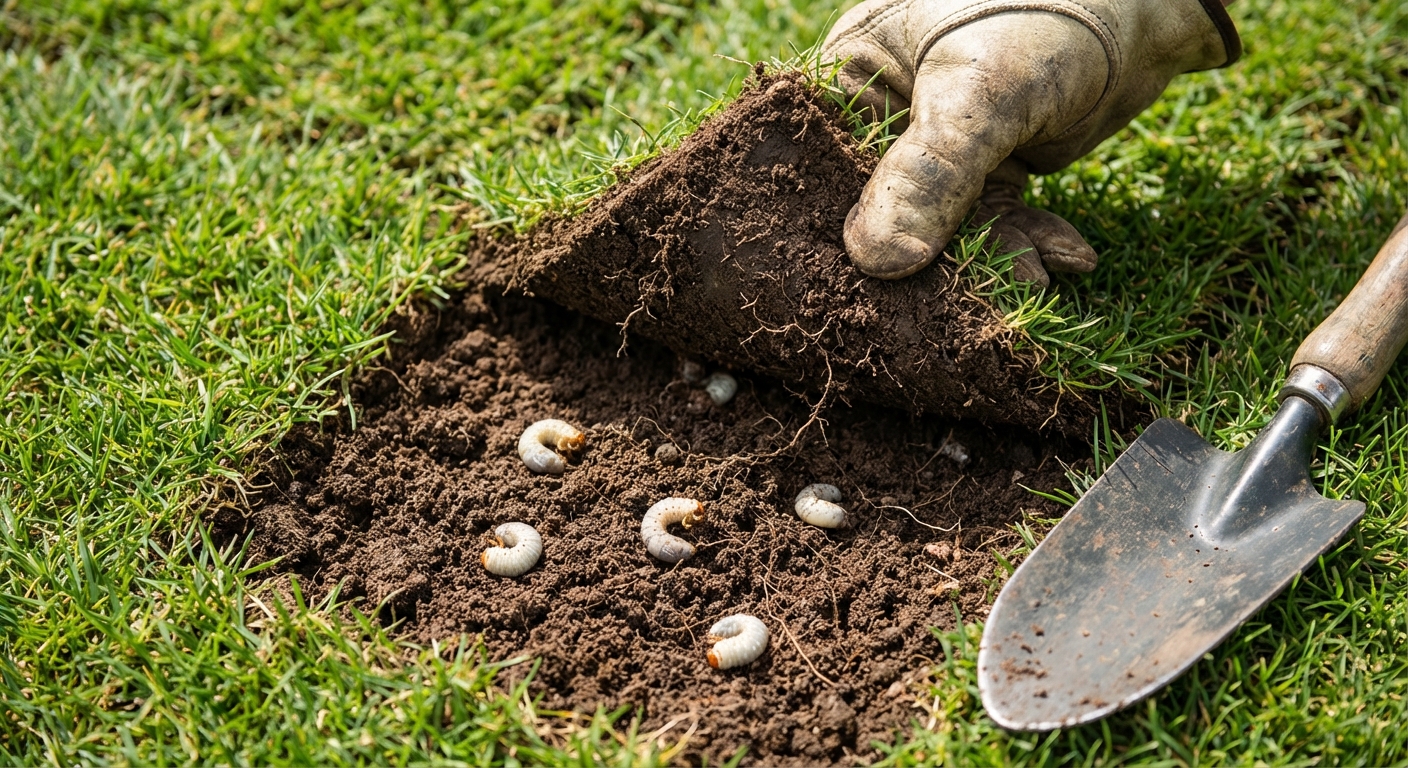
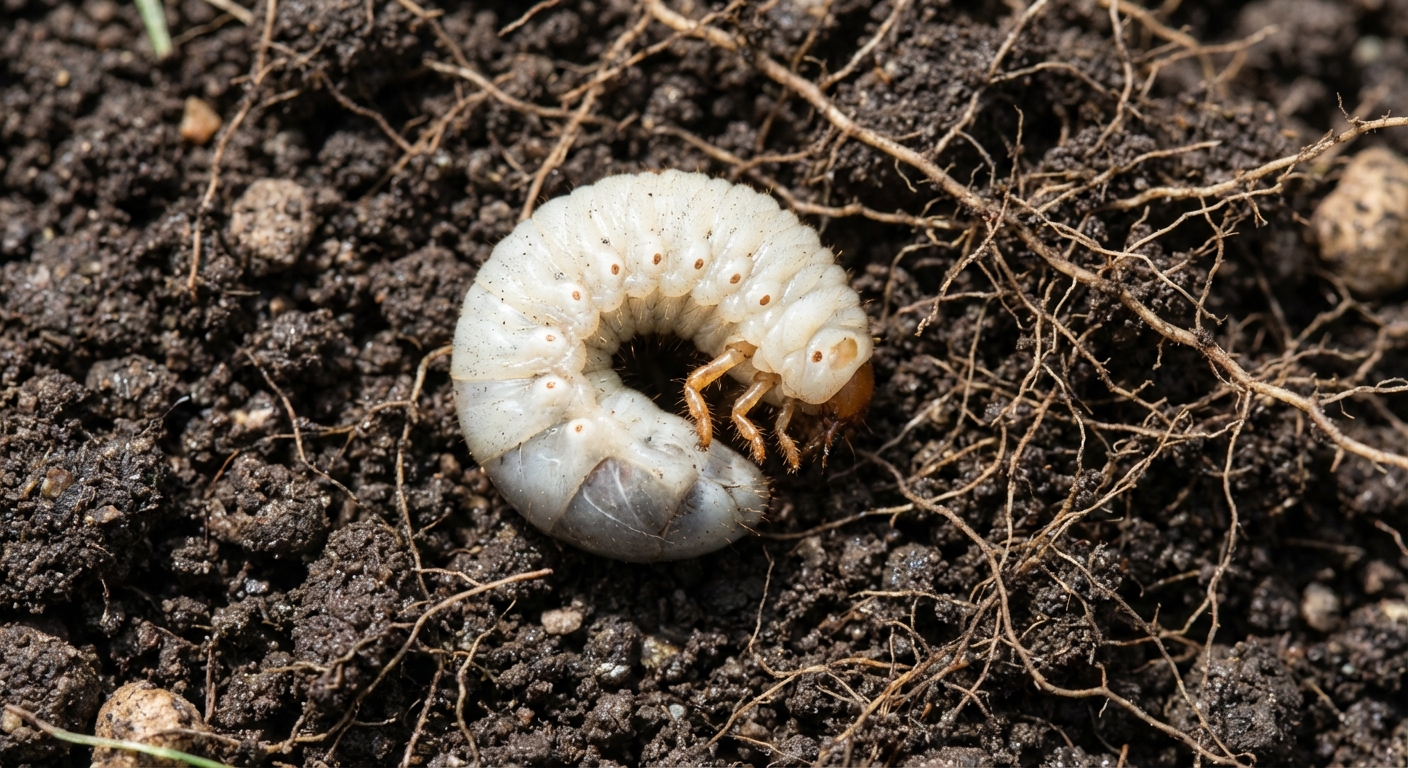
Most turf-damaging grubs look similar: creamy white, C-shaped bodies with a brown head, usually found where grass roots are.
Where they hide: When they are actively feeding, grubs are often in the top 1 to 3 inches of soil. During heat, drought, or cold weather (and for overwintering), they can move deeper, so you may need to dig a little farther down to find them.
Why grubs kill grass
Grubs feed on the roots that keep grass hydrated and anchored. When roots are chewed off, the grass cannot pull enough water and nutrients, so it browns out, thins, and can peel back like old carpet.
Signs you have grubs (and not just dry grass)
Grub damage can look like drought stress at first, so it helps to look for a few telltale clues.
1) Brown patches that spread
Grub damage often starts as irregular brown patches that expand over time. In late summer, this can ramp up quickly because grubs are larger and hungrier.
2) Spongy turf that lifts easily
If the lawn feels soft or bouncy underfoot, or you can grab a handful of grass and pull it up with little resistance, that is a classic root-loss sign.
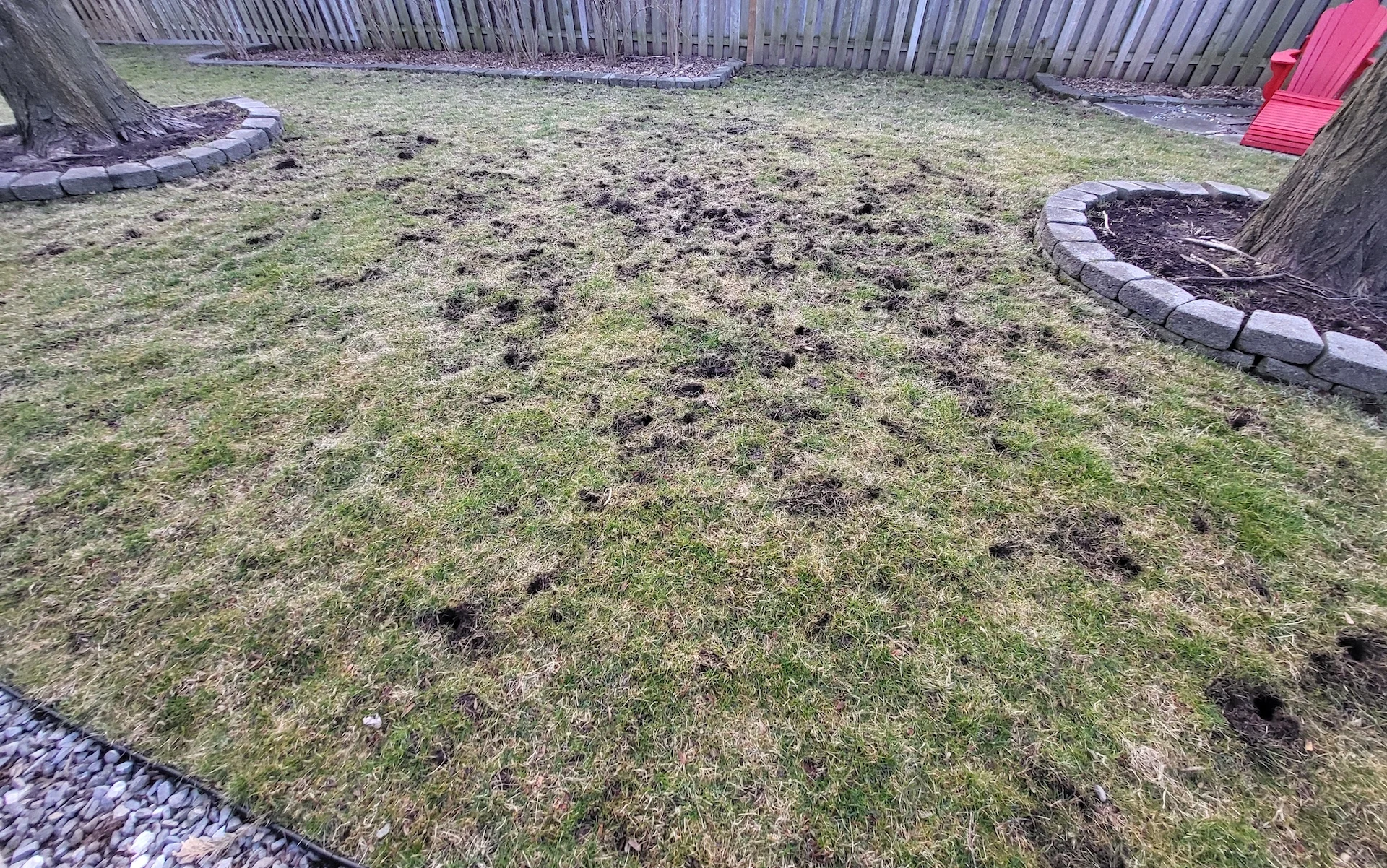
3) More birds, raccoons, or skunks digging
Animals will tear up a lawn to get at grubs, especially in the early morning or overnight. If you see little divots, rolled turf, or digging, the grubs may be attracting the “clean-up crew.”
Rule out look-alikes
Before you treat, take a minute to consider other common causes of brown patches:
- Drought stress: footprints linger, grass looks bluish-gray, and it perks up after deep watering.
- Dog urine: small spots with greener grass around the edges.
- Fungal disease (like brown patch): rings or patches that spread during warm, humid weather.
- Other insects: chinch bugs (sunny, dry areas) or sod webworms (chewed blades and little pellets near the surface).
If you are not sure, do the quick grub check below. It is the fastest way to confirm.
How to confirm grubs before you treat
Before you put down anything, do a quick grub check. It takes five minutes and can save you time and money.
The simple lawn peel test
- Pick a spot on the edge of the damaged area where brown meets green.
- Use a spade or hand trowel to cut three sides of a 1-foot square flap of turf.
- Peel it back like a hinge and look in the soil around the roots. Start in the top few inches, then check a bit deeper if the soil is very dry or cold.
- Count how many grubs you see.
What counts as “too many”? Thresholds vary by species, turf type, irrigation, soil moisture, and time of year. As a rule of thumb for many cool-season lawns:
- 0 to 5 grubs per square foot: usually tolerable
- 6 to 10 grubs per square foot: potential damage, watch closely
- 10+ grubs per square foot: likely to cause serious damage
If you see almost no roots and the turf lifts easily, that is also strong evidence even if you do not count every single grub.
Best natural ways to get rid of grubs
If you want to avoid harsh chemicals, you still have solid options. The key is choosing the method that matches the grub species and applying it at the right time.
Beneficial nematodes (best all-around natural control)
Beneficial nematodes are microscopic organisms that hunt and kill grubs in the soil. For grubs, the most commonly used species is Heterorhabditis bacteriophora (often listed as Hb). Some Steinernema species are also used for certain soil pests, depending on what you are targeting.
How to use nematodes for grubs:
- Buy them fresh, keep them refrigerated, and use them as soon as you can. They are alive.
- Apply when soil temps are suitable. A general working range is about 55°F to 85°F, but the best range depends on the species and product. Always follow the label.
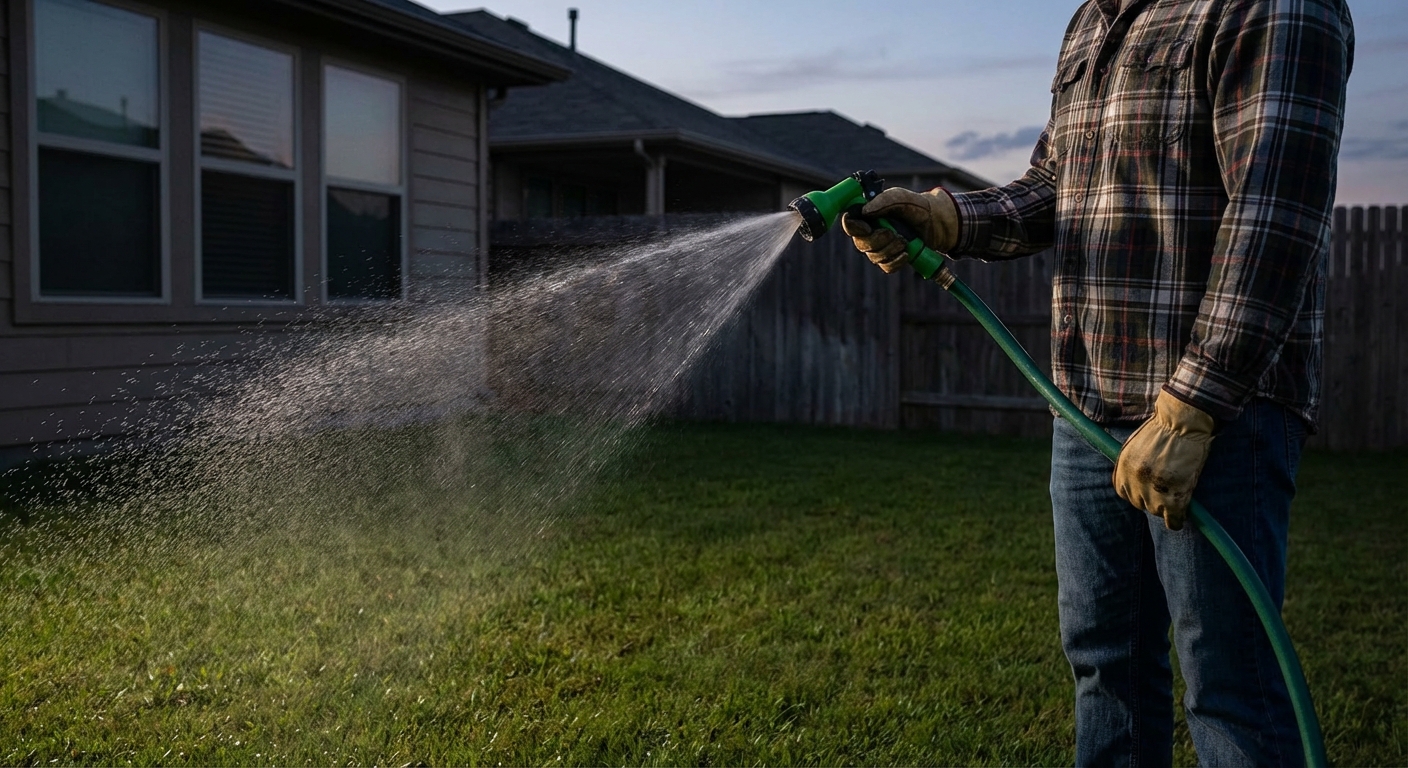
- Pre-water so the soil is moist (about 1/4 inch of water is a good target).
- Apply in the evening or on a cloudy day. UV light can reduce effectiveness.
- Use enough water to move them into the root zone, then water in with about 1/4 inch of water.
- Keep the soil consistently moist for about 1 to 2 weeks after application.
Quick application tips that matter:
- If you are using a sprayer, remove fine filters that could clog and keep the mix gently agitated so nematodes stay suspended.
- Avoid applying right after using broad-spectrum insecticides in the same area. They can reduce beneficial soil life too.
- Do not apply when the lawn is bone-dry or the soil is hard and compacted. Water first.
Timing tip: Nematodes work best when grubs are small and near the surface, typically late summer into early fall. Spring applications can help if you confirm active grubs, but results are often less dramatic because grubs are larger and closer to pupating.
Btg (Bacillus thuringiensis galleriae)
Btg is an increasingly popular biological control for certain beetle grubs. It can be a strong option if you want a targeted, lawn-friendly approach and you can apply it while grubs are actively feeding near the surface.
How to use Btg well:
- Use it when young grubs are present, most often late summer to early fall.
- Water it in per label so it reaches the root zone. A common target is about 1/4 inch of water after application, unless the product says otherwise.
- Follow label directions closely since effectiveness can vary by grub species and timing.
Milky spore (best for Japanese beetle grubs)
Milky spore is a naturally occurring bacterium (Paenibacillus popilliae) that targets Japanese beetle grubs specifically. It is not a quick knockdown product. Think of it as a longer-term strategy that can reduce Japanese beetle grub populations over time.
What to know before using milky spore:
- It works best if Japanese beetles are common in your area.
- It can take 1 to 3 years (or longer) to build up in the soil and reach its full effect.
- Effectiveness varies by region, soil, and climate, and tends to be less reliable in some cooler areas.
- It will not do much for European chafer, masked chafer, June bugs, or other species.
If you confirm Japanese beetle grubs and you are planning to stay put, milky spore can be a solid low-maintenance tool once established (but still keep an eye on hot spots each season).
Neem oil (best as a supplemental option)
Neem products can help disrupt insect growth and feeding, but results for turf grubs are mixed, especially on larger, established larvae. Think of neem as a supporting treatment, not a stand-alone fix for a heavy infestation.
If you choose neem, follow label directions closely and water it in immediately so it moves into the root zone. As a rough guide, many lawn-applied liquids are watered in with about 1/4 inch of water, unless your product says differently.
When to treat for grubs
One of the biggest reasons grub treatments fail is timing. Most natural controls work best when grubs are small and closer to the surface.
Late summer to early fall is often the sweet spot
In many regions, beetles lay eggs in early to mid-summer. Eggs hatch and young grubs begin feeding in late summer. That is when they are easiest to control with nematodes, Btg, and other biological options.
Spring treatments can be hit or miss
In spring, grubs that survived winter may feed for a short period before pupating into beetles. They are also larger and may be deeper, which can make some treatments less effective. If you confirm active grubs in spring, beneficial nematodes can still help, but do not expect miracles if the damage is already extensive.
Water and soil moisture matter
Grubs and the tools used to control them both depend on moisture. Dry, compacted soil makes it harder for treatments like nematodes (and watered-in products like Btg) to move through the root zone. A well-timed watering plan can increase success dramatically.
Lawn maintenance that helps prevent future grub problems
You cannot “grub-proof” a yard completely, but you can make your lawn less vulnerable and more able to recover.
Raise your mowing height
Keeping grass a bit taller helps shade the soil, protect roots, and reduce stress. Stressed turf shows damage faster and recovers slower.
Water deeply, not constantly
Frequent shallow watering can keep roots shallow. Deep, less frequent watering encourages deeper roots, which helps your lawn handle pest pressure and heat stress.
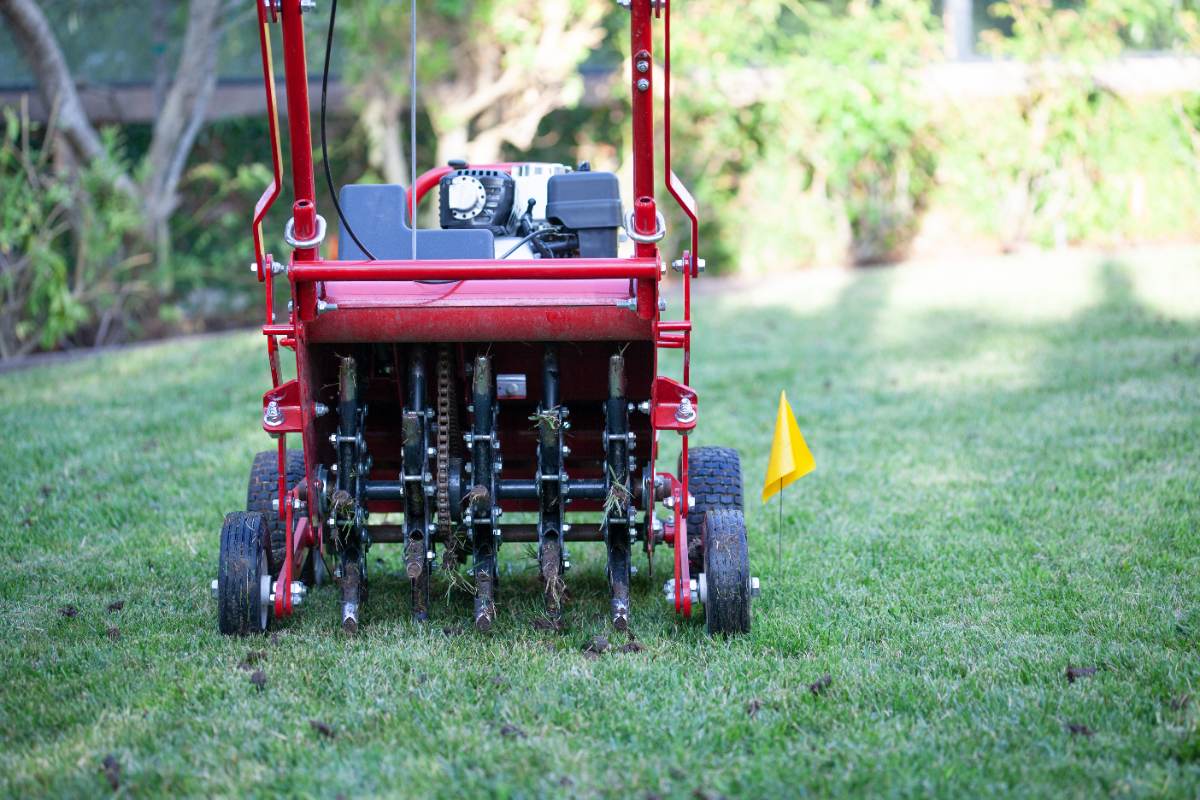
Aerate if your soil is compacted
Compaction reduces root growth and soil life. Aeration improves water movement and root development, which gives your grass more resilience.
Overseed thin areas
After grub damage, overseeding helps fill bare spots and prevents weeds from moving in. Seed in early fall for cool-season grasses when conditions are ideal.
What to do if your lawn is already badly damaged
If grubs have been feeding for a while, you may need to do two things at once: reduce the grub population and repair the turf.
Step-by-step recovery plan
- Confirm grubs with a quick soil check.
- Treat at the right time using beneficial nematodes or Btg. Consider milky spore if Japanese beetles are clearly the main issue and you want a longer-term strategy.
- Rake out dead turf so seed can contact soil.
- Topdress lightly with compost to help the soil rebound.
- Overseed and keep seed consistently moist until established.
If large areas are completely gone, you might consider patching with sod, but still address the grubs first so new grass does not get hit again.
Quick FAQ
Will grubs go away on their own?
Sometimes populations drop naturally, but heavy infestations can persist and get worse year to year. If you have clear damage and high counts per square foot, it is worth treating.
Do birds mean I definitely have grubs?
Not always, but increased bird activity paired with browning turf and easy-to-lift grass is a strong clue. Confirm with a soil check.
What is the fastest natural grub killer?
Beneficial nematodes and Btg are usually the most effective natural options when applied with correct timing, proper watering, and grubs actively feeding.
Are there faster “preventative” products?
Yes, but many of the common preventative grub killers homeowners hear about are synthetic insecticides. This guide focuses on natural and biological controls, which can be highly effective, but are often more timing-dependent and may take more patience.
Any safety notes?
Nematodes, Btg, and milky spore are generally considered compatible with pollinator-friendly yards when used as directed. As with any lawn product, follow the label and avoid applying near waterways unless the product specifically allows it.
Bottom line
Grubs are one of those lawn problems that looks like something else until it is too late. The good news is you can confirm them quickly, and you have natural control options that work, especially when you treat while grubs are small and feeding near the surface.
If you take one practical step today, make it this: peel back a small patch of turf at the edge of the damage and count what is there. Once you know what you are dealing with, nematodes (and, in many lawns, Btg) plus smart timing can do a lot of the heavy lifting.