How to Get Rid of Gophers in Your Yard

Jose Brito
I’m Jose Britto, the writer behind The Country Store Farm Website. I share practical, down-to-earth gardening advice for home growers—whether you’re starting your first raised bed, troubleshooting pests, improving soil, or figuring out what to plant next. My focus is simple: clear tips you can actually use, realistic expectations, and methods that work in real backyards (not just in perfect conditions). If you like straightforward guidance and learning as you go, you’re in the right place.
Gophers can turn a nice lawn or a productive garden bed into a bumpy mess fast. The good news is you do not have to guess at what works. If you confirm it is gophers (not moles or voles), then you can choose a plan that actually matches how they live: underground, territorial, and constantly digging.
Below is what I recommend for real backyards: how to identify the pest, how to trap with fewer headaches, what repellents can and cannot do, what to know about smoke bombs, and how to protect raised beds so the problem does not come right back.
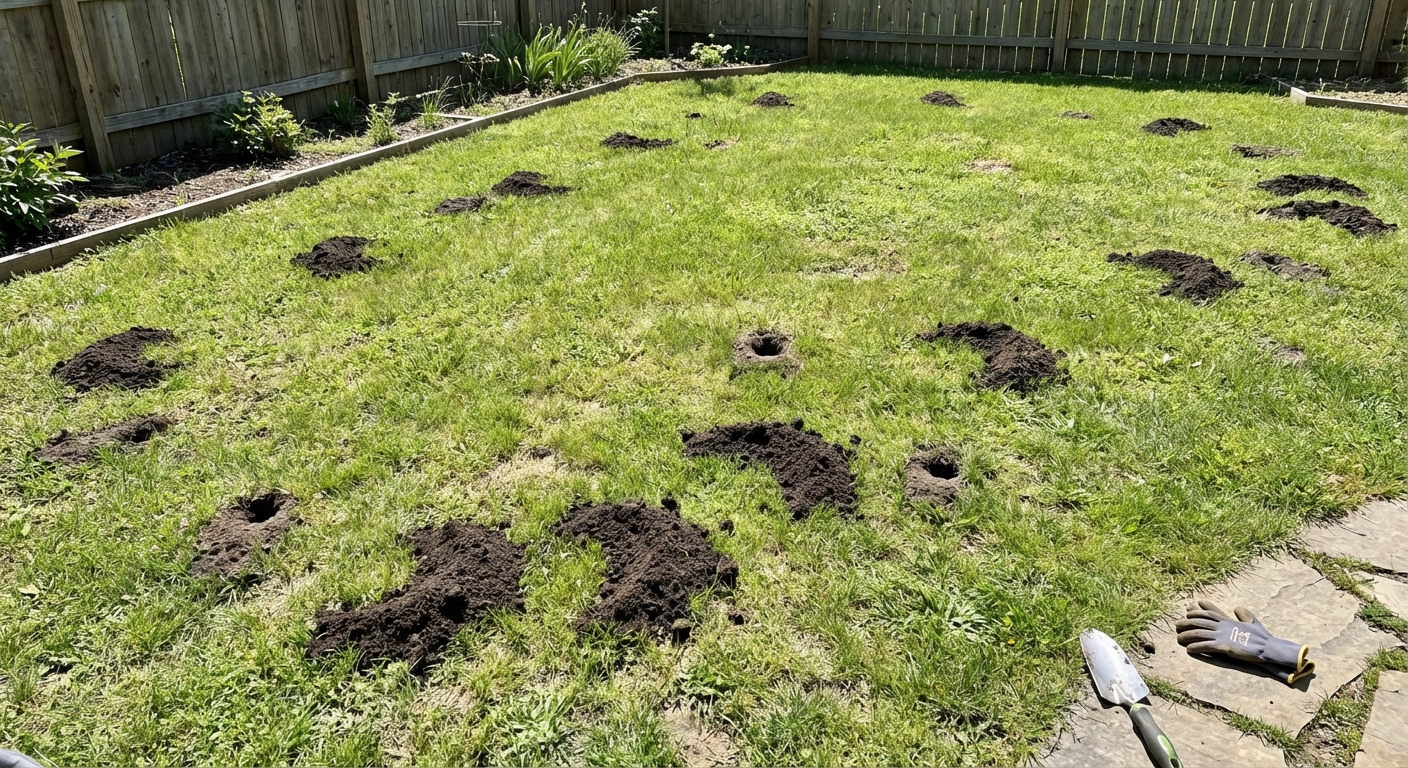
Gopher or mole? Identify the damage first
This is the step most people skip, and it matters because gophers and moles behave differently. Pocket gophers are primarily herbivores and create distinctive soil mounds as they push dirt out of their tunnels. Moles are mainly insect eaters and leave raised surface tunnels, and they can create mounds too depending on the species and soil.
Signs you are dealing with gophers
- Fan or crescent-shaped mounds with a soil plug off to one side.
- Plants pulled down from below, especially young seedlings, carrots, beets, and other roots.
- Sudden wilting of plants that looked fine yesterday because roots were clipped.
- Little to no raised ridges across the lawn (their tunnels are usually deeper than a mole’s surface runs).
Signs it might be moles instead
- Long, raised ridges that look like someone ran a mini plow under the sod.
- Volcano-shaped mounds (often more symmetrical) depending on species and soil conditions.
- Less direct plant eating and more turf disruption from tunneling (they may still damage roots indirectly).
Do not forget voles
Voles can also cause plant loss, but the clues look different. They typically leave runways through grass or mulch and small holes near plants, without the classic gopher mound with an off-center plug.
If you are seeing classic crescent mounds plus missing plants, gophers are a strong bet. If you are seeing surface ridges, vole runways, or mixed signs, it is worth double-checking before you buy gear.
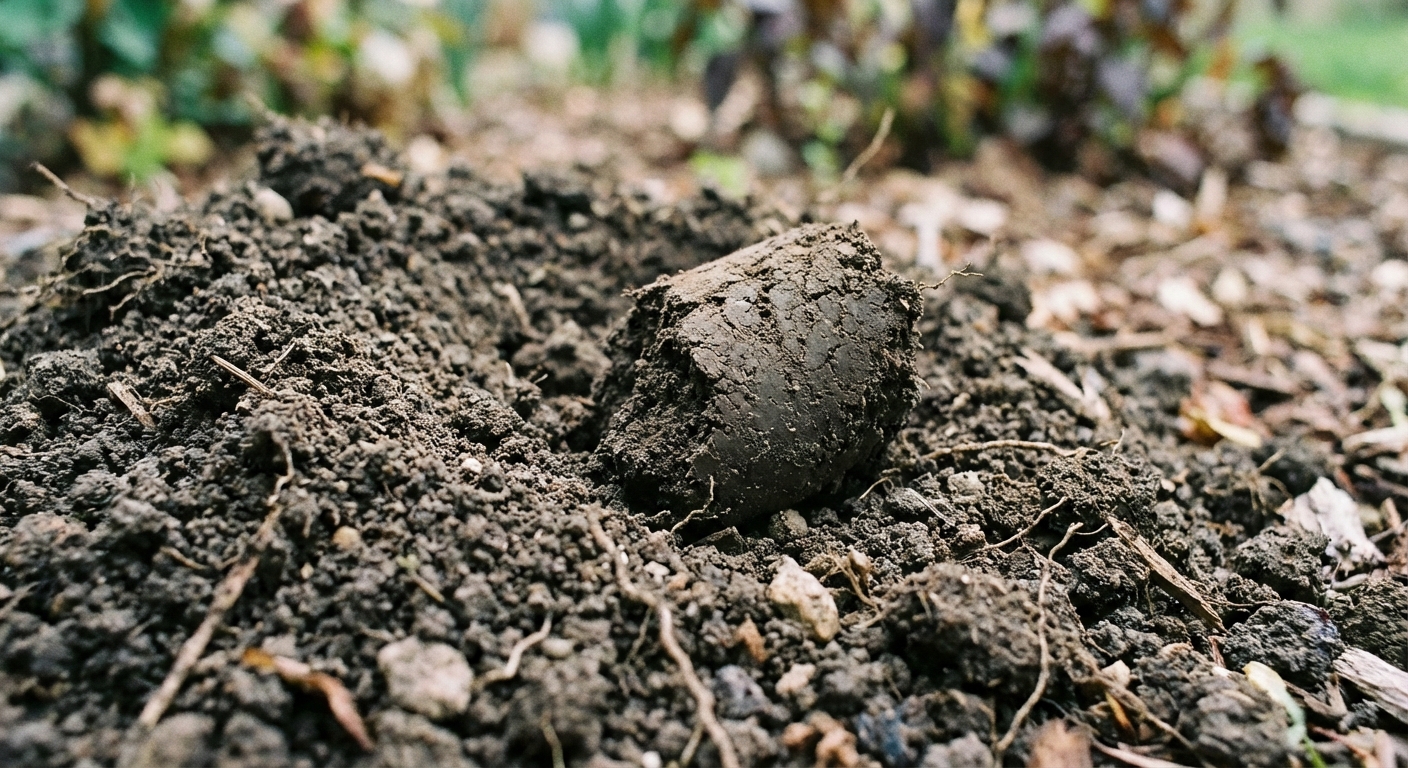
Fastest, most reliable method: trapping
If you want the highest success rate, trapping is it. Repellents and gadgets can help in some situations, but trapping removes the animal that is actively digging and eating right now.
What traps work best
Look for traps specifically made for gophers. The common effective styles are:
- Pincher-style traps (often sold as “gopher traps” that grab when the gopher pushes against the trigger).
- Box-style traps that sit inside the tunnel and fire when the trigger is nudged.
- Macabee-style traps, a classic wire trap used in many western states.
Pick one type and learn it well. Switching traps every day usually slows you down.
How to find the main tunnel
This is the make-or-break step. Do not set traps right in the loose mound dirt. Instead, locate the straight main run that feeds the mound.
- Start with a fresh mound. Find the soil plug off to one side.
- Probe for the hollow run. Use a long screwdriver, a metal rod, or a gopher probe. Push it into the ground 8 to 12 inches away from the plug side (usually in the direction the mound “opens”). You are feeling for a sudden drop or “give” when the probe breaks into the tunnel.
- Confirm before you dig. Probe a couple of spots in a line to find the direction of the tunnel, then dig where the probe hits the void most cleanly.
Depth reality check: Active runs are often roughly 6 to 18 inches deep near mounds, but it can vary a lot by soil, moisture, season, and species. Main tunnels can be deeper in some conditions.
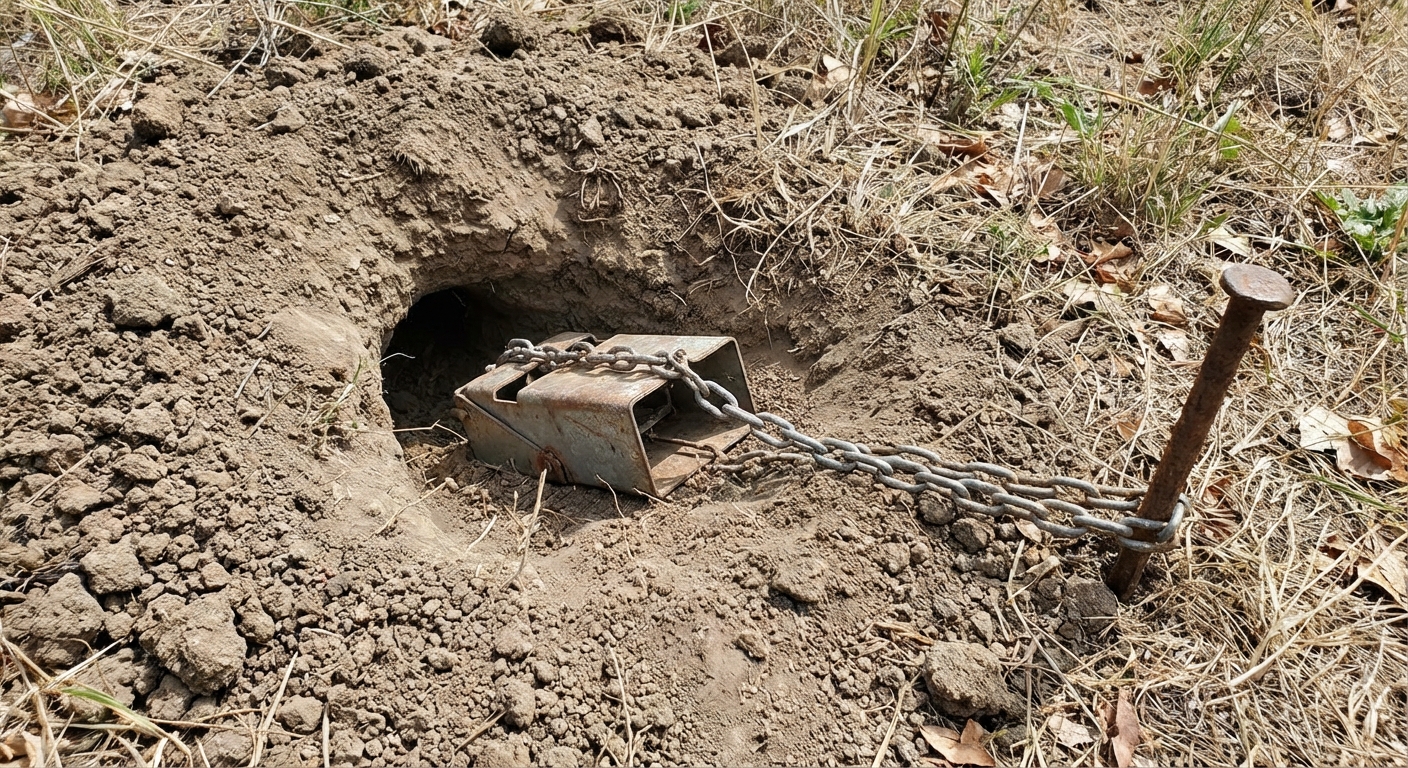
How to set a gopher trap
- Open the tunnel cleanly. Use a trowel or small shovel to cut a neat hole so you can place traps without collapsing the run.
- Place two traps, one in each direction. Gophers travel both ways. Using two traps doubles your odds.
- Anchor the traps. Tie them off with wire or a strong cord so you can pull them out easily.
- Cover the opening. Use a board, piece of cardboard, or a dark cloth to block light and airflow. Do not pack soil on top of the traps. Leave enough space so the trap can fire freely.
- Check daily. Reset if needed and move to a new location if there is no catch and no fresh activity (like re-plugging) after 48 hours.
Tip that saves time: Work the freshest mound lines first. Older mounds are often less active, even if the tunnel system is still in the area.
Quick safety note: Wear gloves when digging and setting traps. It is mainly for hand protection and hygiene, and it keeps your hands off the trigger area. Follow the manufacturer’s directions for the specific trap you buy, and check local rules if you are unsure what methods are allowed where you live.
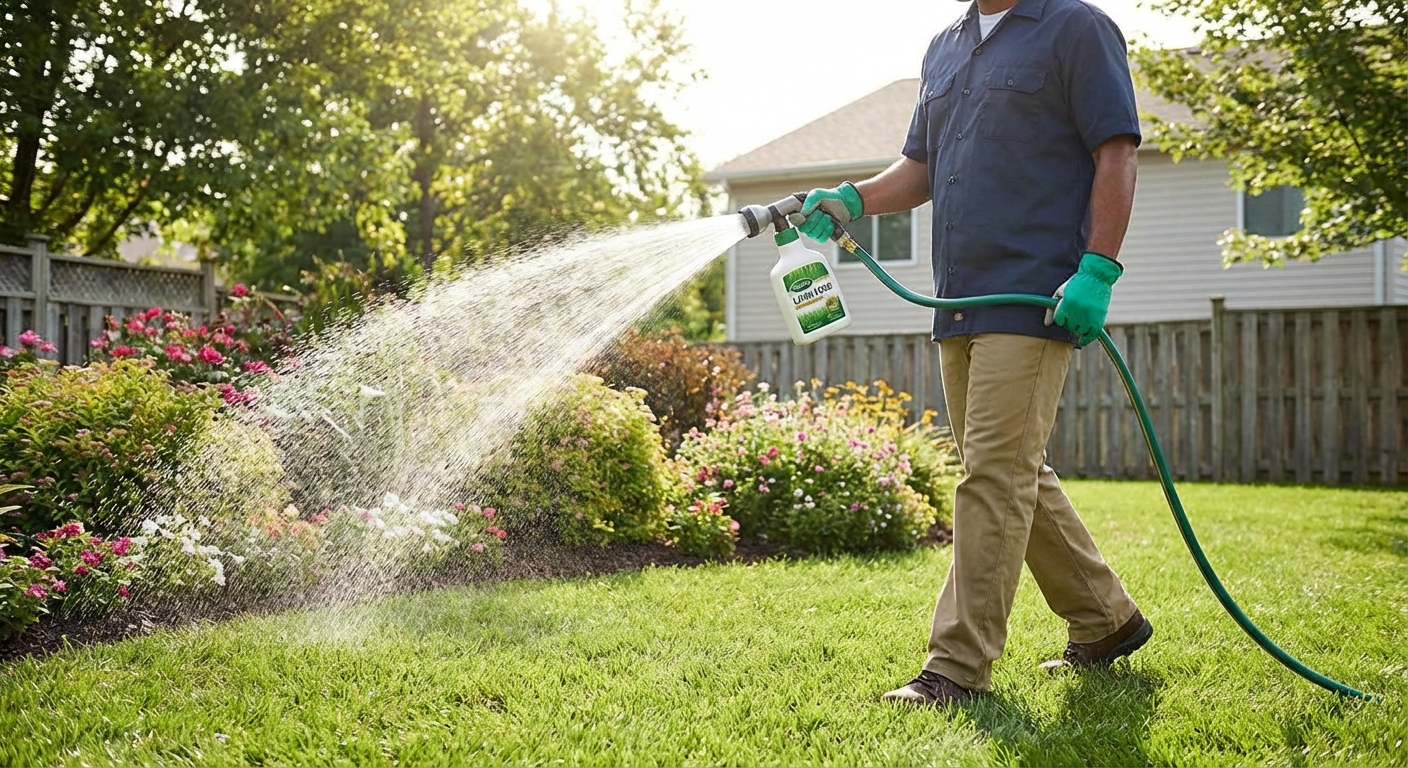
Natural repellents: castor oil (what it can do)
Castor oil is one of the more common “natural” options. It does not poison gophers. The idea is that it may irritate or repel some burrowing mammals, but results are mixed and it is not a guaranteed fix. In my experience, it can help push activity away in some yards, especially when you are protecting a small area, but it is not as dependable as trapping when you have an active, established burrow system.
When castor oil is worth trying
- You have light to moderate activity and want a non-lethal option first.
- You are trying to protect a specific area, like a small lawn section or a few beds.
- You are combining it with other steps like habitat cleanup and bed barriers.
How to apply it so it has a chance to work
- Use a product meant for lawns (granules or hose-end sprays) or a properly mixed concentrate.
- Water it in. Repellents generally need moisture to move into the top layer of soil.
- Reapply after heavy rain or irrigation cycles. Many repellents fade quickly in real conditions.
Realistic expectation: Castor oil may relocate a gopher temporarily. If there is a food source they love, they may return or a new gopher may move in.
Do vibrating stakes and sonic devices work?
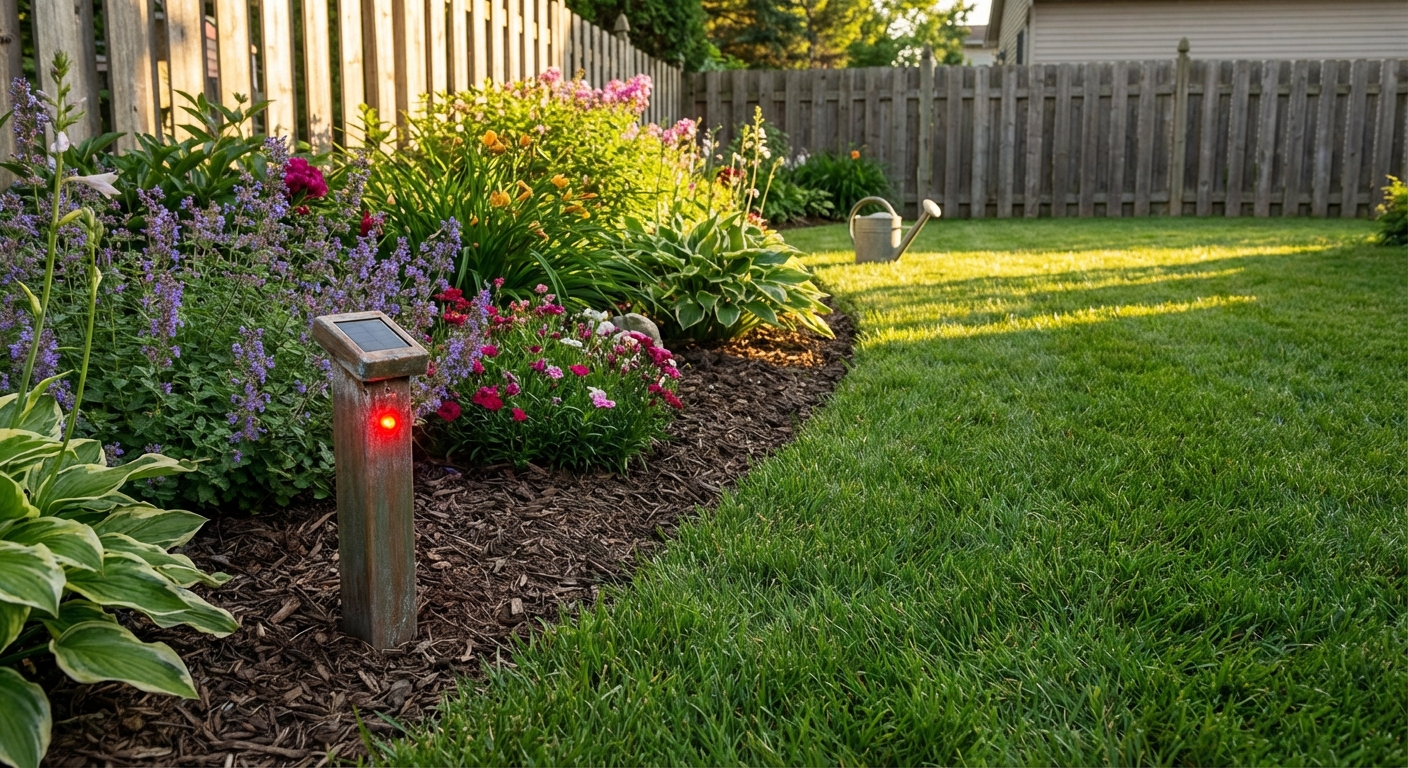
These products claim to annoy burrowing pests with vibration or sound. Sometimes they appear to help at first, usually because the soil disturbance changes the animal’s routine. But in many yards, gophers either ignore them after a while or simply tunnel around the area. Many extension-style recommendations rate them as limited or inconsistent.
If you want to try vibration stakes
- Use them as a short-term push, not your only plan.
- Move them periodically so the vibration pattern changes.
- Pair with exclusion (hardware cloth in beds) or trapping in active runs.
Bottom line: Vibration stakes are a “maybe.” Trapping and barriers are your most reliable tools when done correctly.
Smoke bombs and gas cartridges
These are common at hardware stores, and they sound like an easy win. In practice, gophers often seal off the smoky section of tunnel quickly, which limits how effective they can be in a complex burrow system.
- When they might help: very small, isolated activity where you can confirm the main run and get good containment.
- Why they disappoint: gophers are built to live underground and are quick to plug tunnels. Smoke does not always reach the animal.
- My take: If you want reliable results, put your effort into trapping and barriers first.
Protecting raised beds with hardware cloth
If gophers are targeting your vegetable garden, you will save yourself a lot of frustration by blocking access. The most reliable physical barrier is hardware cloth, not chicken wire. Chicken wire is too flimsy and the openings are often large enough for persistent pests.
What to use
- 1/4-inch hardware cloth for the most fail-safe protection (especially if you also have smaller rodents).
- 1/2-inch hardware cloth can work in some situations, but it is a bit riskier for small juveniles and does not help much with smaller rodents.
- Galvanized hardware cloth holds up better in damp soil.
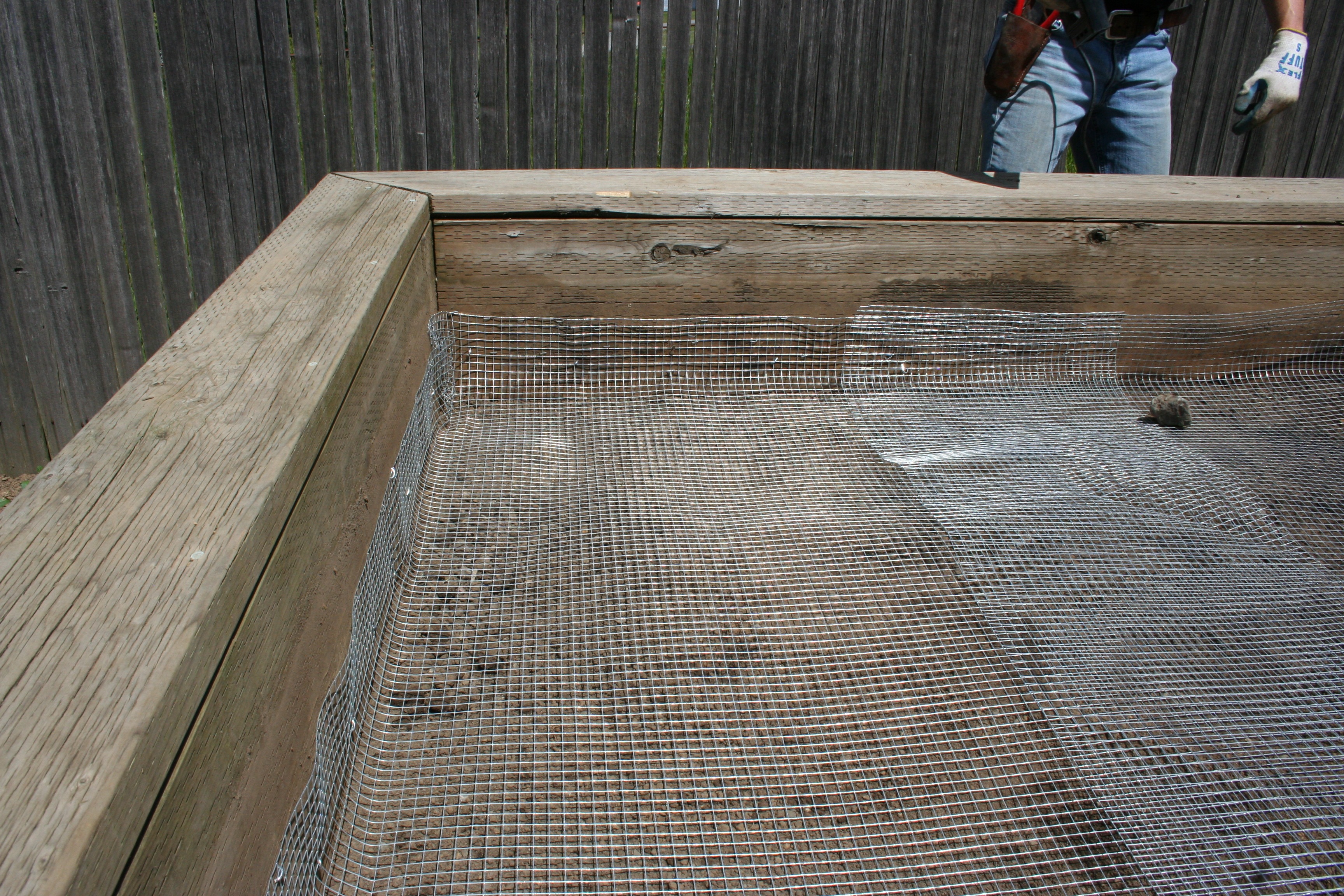
How to install it under a raised bed
- Remove the soil if the bed is already built and you want full coverage.
- Lay hardware cloth across the entire bottom, overlapping seams by at least 4 inches.
- Staple it to the frame with heavy-duty staples or use screws with washers.
- Cover with a thin layer of soil before refilling to prevent sharp edges from catching tools.
If you are building new beds, install the barrier first. It is one of those “do it once, enjoy it for years” upgrades.
Yard cleanup that reduces reinfestation
Even after you remove one gopher, the yard can attract another if it is basically an all-you-can-eat buffet.
Simple steps that help
- Keep weeds and ground cover trimmed along fences, ditches, and borders where gophers travel.
- Pick up fallen fruit and excess compost spills near beds.
- Reduce thick mulch layers right up against bed edges if gophers are active there.
- Watch irrigated zones. Regular watering makes soil easier to dig and keeps roots tender.
You do not need a sterile yard. The goal is to remove the easiest hiding and feeding zones near the places you care about most.
When gophers keep coming back
If gophers are a recurring issue where you live, here is a practical approach that tends to hold up:
- Trap first in the most active area to stop current damage.
- Install hardware cloth under raised beds or key garden sections.
- Use castor oil as a perimeter tool around beds or lawn edges to discourage new digging (results vary, but it can help in some yards).
- Inspect weekly for fresh mounds and respond early. One new gopher is much easier than an established tunnel system.
If you are dealing with heavy, ongoing activity across a large property, or if trapping is restricted where you live, it can be worth calling a licensed pro for a targeted plan.
Safety notes
- Traps: Place traps inside tunnels and cover openings to reduce risk to pets and children.
- Repellents: Follow label instructions closely, even for natural products.
- Poison baits: These can pose secondary risks to pets and wildlife. Many gardeners avoid them for that reason, and some areas restrict certain products. Check local regulations before using any toxic control method.
Quick FAQ
How long does it take to get rid of a gopher?
If you trap in the main run of an active system, you can often get results within a few days. If you are guessing at tunnel locations, it can take longer.
Will gophers leave on their own?
Sometimes, but usually not before they have done real damage. If you have fresh mounds, assume the gopher is active.
Can I flood them out?
Flooding rarely solves the problem and can drive gophers into new areas of your yard. It also wastes water and can harm plant roots.
Do smoke bombs work on gophers?
Sometimes, but they are unreliable in established tunnel systems because gophers often plug off the smoky section quickly. Trapping and barriers are usually a better use of your time.
Takeaway
For most homeowners, the most effective combination is trapping (to stop current damage) plus hardware cloth barriers (to protect the garden long-term). Castor oil repellents and vibration stakes can be helpful supporting tools, but they are not as dependable by themselves.
If you are unsure what you are dealing with, compare your yard signs with a local extension office ID guide (or bring them clear photos of the mounds, plugs, ridges, and plant damage). Correct ID makes every next step easier.