How to Get Rid of Caterpillars in the Garden

Jose Brito
I’m Jose Britto, the writer behind The Country Store Farm Website. I share practical, down-to-earth gardening advice for home growers—whether you’re starting your first raised bed, troubleshooting pests, improving soil, or figuring out what to plant next. My focus is simple: clear tips you can actually use, realistic expectations, and methods that work in real backyards (not just in perfect conditions). If you like straightforward guidance and learning as you go, you’re in the right place.
Caterpillars are one of those garden pests that can go from “a few holes in the leaves” to “what happened to my plant?” in a hurry. The good news is you usually do not need harsh chemicals to get control. With the right ID and a couple of targeted tactics, you can protect your vegetables and still keep your garden friendly to pollinators and beneficial insects.
This page covers the most common garden caterpillars, what their damage looks like, and the natural ways home growers actually use to stop them.
First, confirm it is caterpillar damage
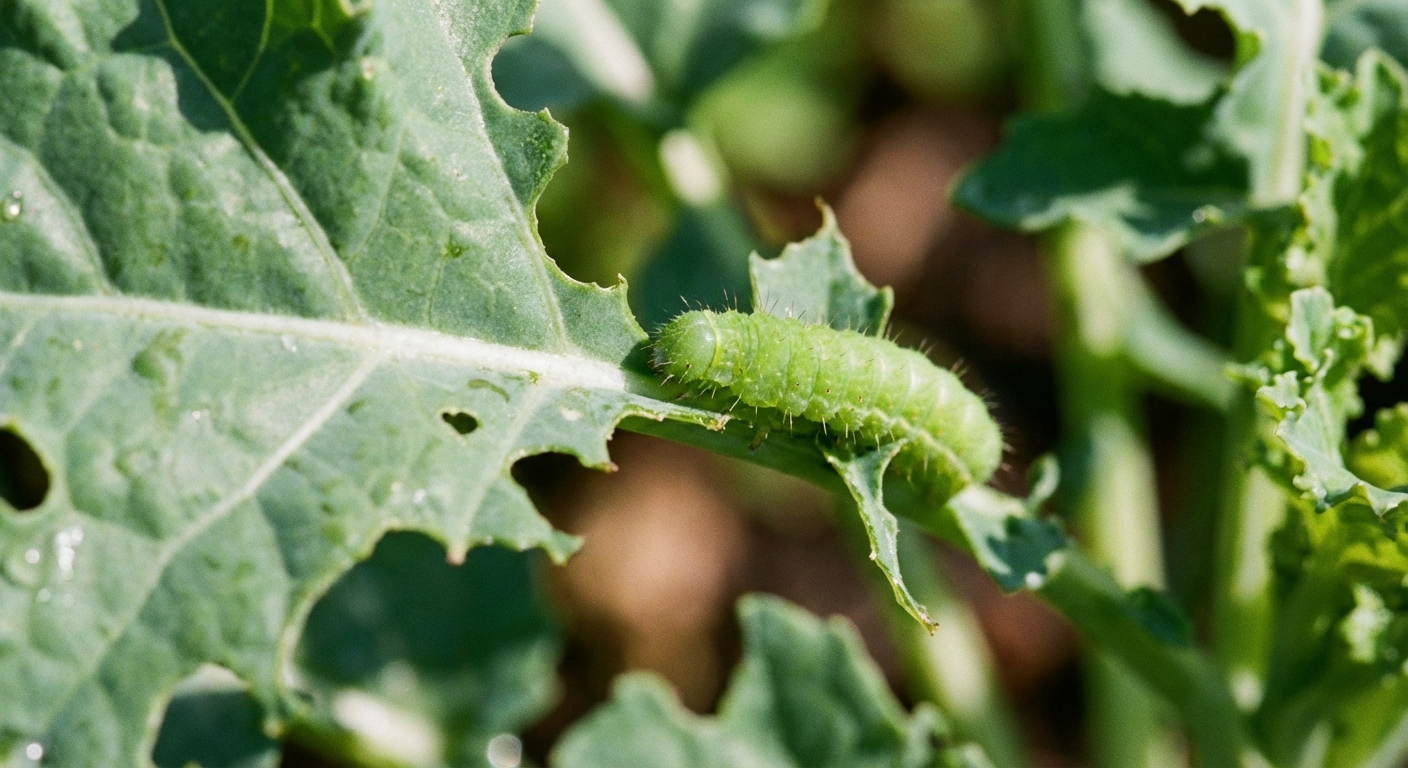
A lot of pests make holes, but caterpillars leave a few classic clues. Look for these before you treat:
- Ragged holes in leaves, often starting at the edges.
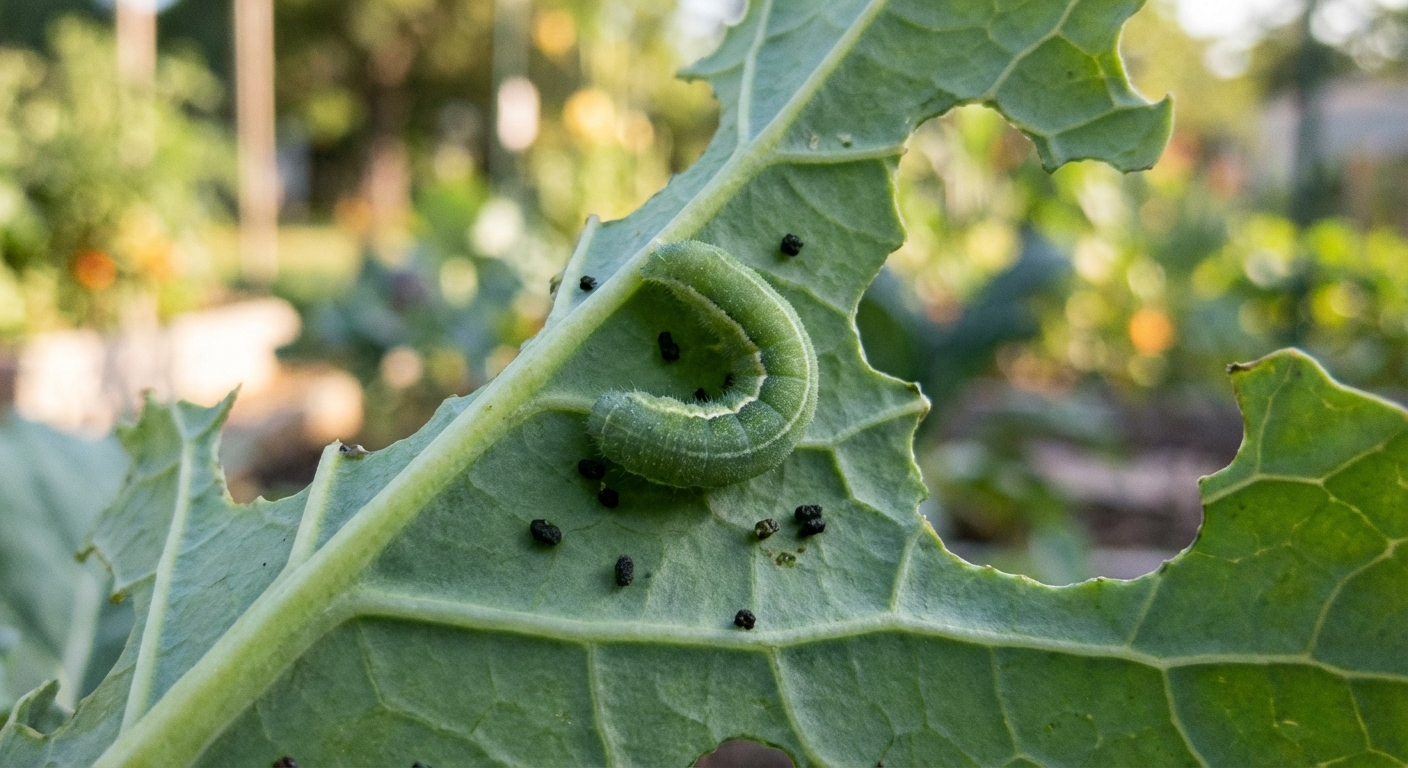
- Black or green droppings (frass) on leaves, stems, or the soil below.
- Leaf skeletonizing where only veins remain, common on brassicas.
- Sudden seedling collapse from stems being chewed at soil level (often cutworms).
- Chewed fruit or blossoms on tomatoes, peppers, squash, or beans in heavier infestations (often hornworms or armyworms).
If you see shiny slime trails, it is more likely slugs. If you see tiny “shot holes” with jumping bugs, it may be flea beetles. Caterpillars are usually easy to spot once you look under leaves and along stems.
Common garden caterpillars and how to spot them
You do not need a perfect ID to start controlling them, but it helps to know what you are dealing with because some (like cutworms) need different tactics than leaf feeders.
Cabbage worms (and other brassica caterpillars)
These are the ones that show up on cabbage, kale, broccoli, cauliflower, Brussels sprouts, and sometimes nasturtiums. The most common is the imported cabbageworm, the velvety green caterpillar that comes from the little white butterflies you see fluttering around brassicas.
- Signs: holes and “windowpane” patches in leaves, frass in the center of the plant, caterpillars hiding along the midrib on the underside.
- Where to look: deep inside the crown of cabbage or kale, under lower leaves, and along leaf veins.
Cutworms
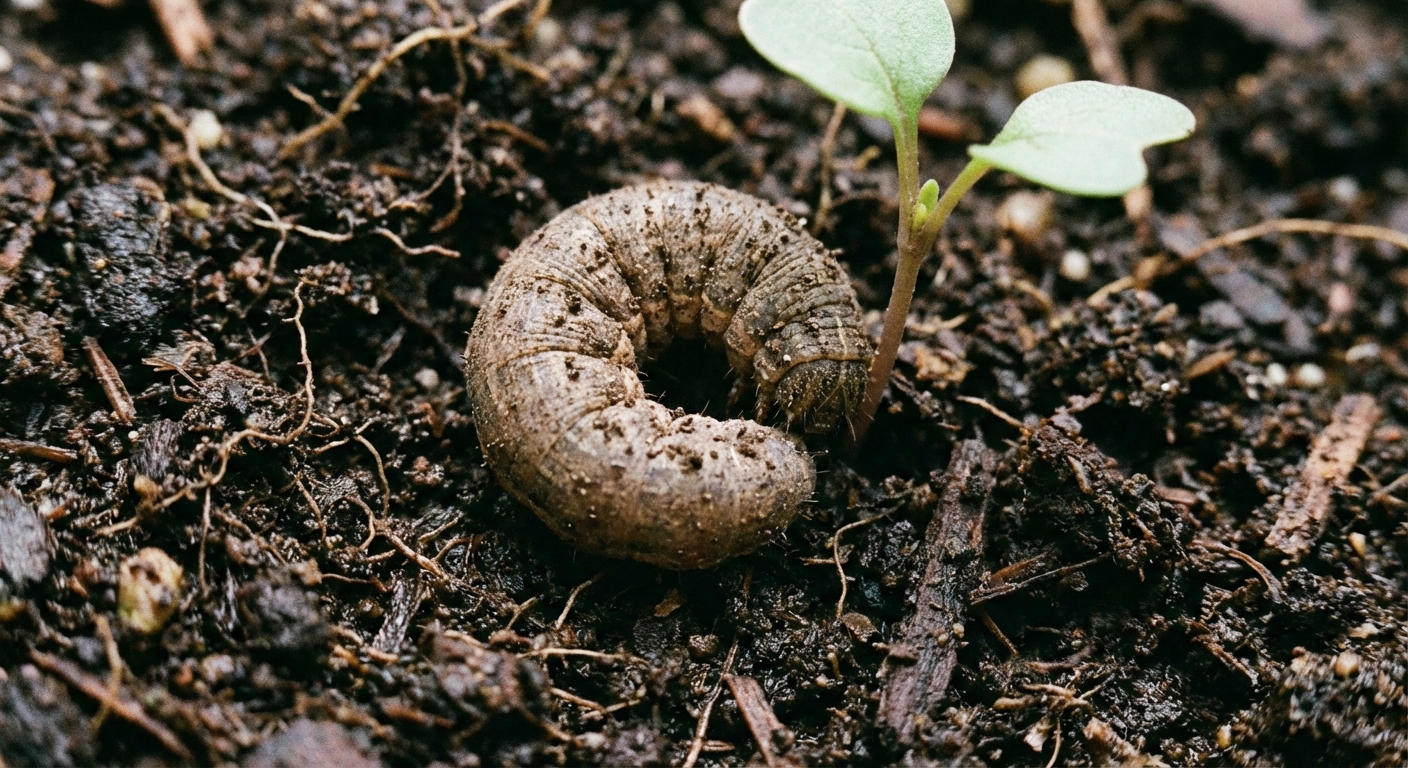
Cutworms are moth larvae that live in the soil. They are the reason a healthy seedling can look fine at bedtime and be toppled over by morning.
- Signs: seedlings cut cleanly at the soil line, plants wilted at the base, damage happens overnight.
- Where to look: in the top 1 to 2 inches of soil around the plant. They curl into a C-shape when disturbed.
Tent caterpillars (and a common look-alike)
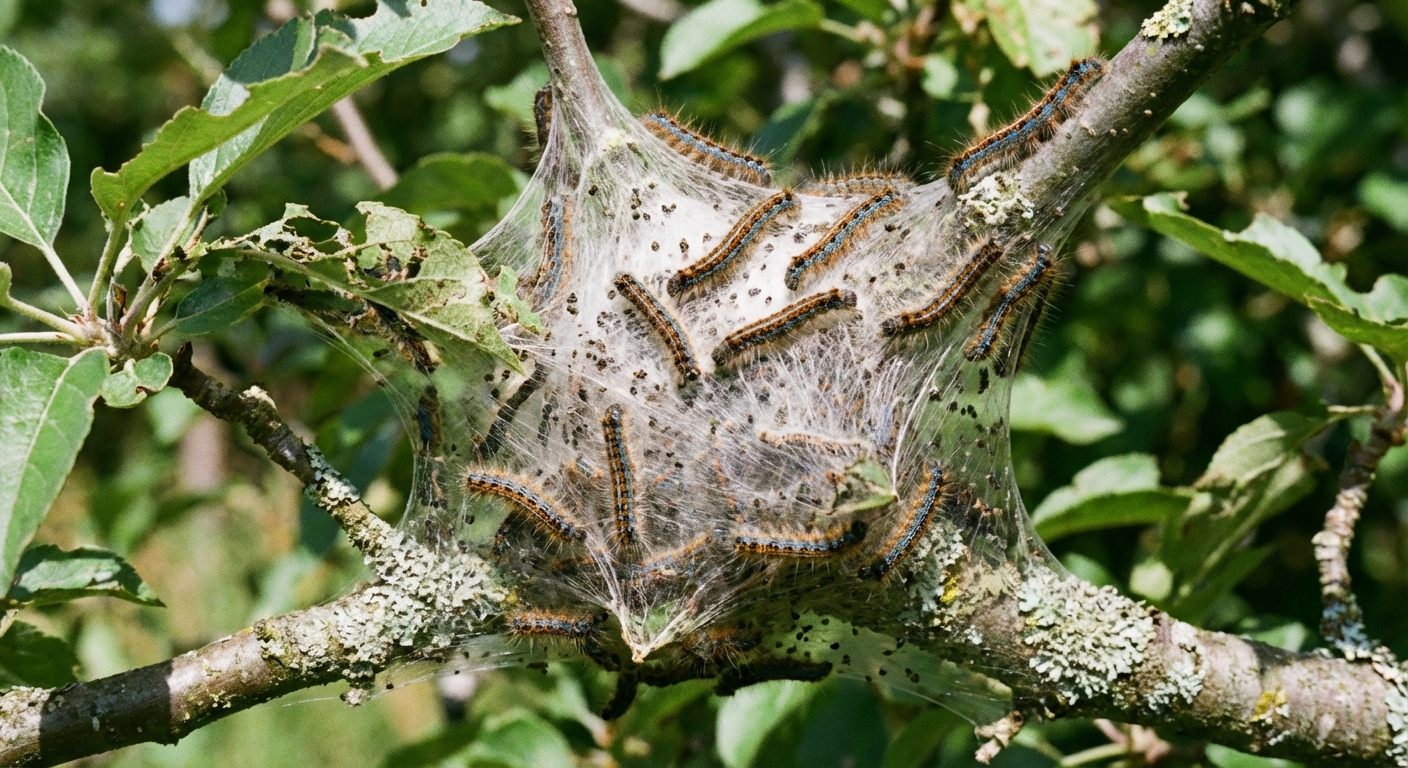
Tent caterpillars are more of a tree pest than a vegetable garden pest, but they can be close enough to matter. You will notice their webbing first.
- Signs: silky web “tents” in branch crotches, clusters of caterpillars feeding on leaves, defoliation on apple, cherry, plum, and other trees.
- Where to look: branches in early morning or evening when they are in the webbing.
Quick ID tip: tent caterpillar tents are usually in the crotches of branches. Fall webworms (often confused with tent caterpillars) typically make webs out on the ends of branches that wrap around leaves.
Other common culprits
- Armyworms: groups can strip plants quickly, especially in late summer.
- Loopers: inch along in a “loop” motion, commonly on brassicas and greens.
- Hornworms: large green caterpillars that hit tomatoes and peppers hard. (If you garden tomatoes, keep a close watch.)
Start with the simplest controls (they work)
If you are dealing with a small to moderate number of caterpillars, the low-tech methods are usually enough, especially if you catch the problem early.
Hand-pick (fastest and most targeted)
This is still my favorite first step because it is immediate and does not affect anything you are not trying to kill.
- Check plants at dusk or early morning when many caterpillars feed more openly.
- Look under leaves and along stems, especially near the growing tips and in the plant crown.
- Drop caterpillars into a cup of soapy water if you want to dispatch them quickly.
- If you prefer not to kill them, relocate far away from the garden, but know they may return if nearby host plants exist.
Hornworm tips (tomatoes and peppers)
- Look for big bites on leaves, missing growing tips, and large dark droppings on lower leaves or the soil.
- Check at night with a UV flashlight. Hornworms can glow under UV, which makes them easier to spot.
- If you see a hornworm covered in small white “rice-like” cocoons, leave it. Those are parasitoid wasp cocoons, and that caterpillar is already being handled.
Remove eggs before they hatch
This is one of the most overlooked steps. Many caterpillar outbreaks start with eggs you can rub off in seconds.
- Cabbageworm eggs are tiny, yellow to orange, and bullet-shaped, often laid singly on the undersides of brassica leaves.
- Other moth eggs may be laid in clusters, sometimes covered with hairs or scales.
If you find eggs, scrape them off with a fingernail and discard.
Prune out hot spots
If one kale leaf is covered, remove that leaf and get it out of the garden. This can knock down the population before it spreads.
Use Bt spray the right way (best organic option for leaf-feeding caterpillars)
Bacillus thuringiensis var. kurstaki (Bt-k), often sold as Btk, is a naturally occurring soil bacterium that targets caterpillars when they eat treated leaves. It is one of the most effective, garden-safe tools for cabbage worms, loopers, and many other leaf-feeding caterpillars.
Key point: Btk must be ingested. It is not a contact killer, so coverage matters because the caterpillar has to take a bite.
When Bt works best
- When caterpillars are small. Big caterpillars take longer and may do more damage before they stop.
- When you get good coverage, especially the undersides of leaves.
- When you reapply after rain or overhead watering, since it washes off.
- When you account for sunlight: Btk can break down in UV, which is one reason evening application helps.
How to apply Bt (simple steps)
- Spray in the evening if possible. It helps preserve effectiveness and keeps you out of the heat.
- Coat both sides of leaves, especially where you saw feeding.
- Reapply in 5 to 7 days if you still see fresh damage, and after heavy rain.
- Harvest timing: follow the label, but many Bt products allow harvest soon after application.
Important: Bt targets caterpillars, so do not spray it “just in case” all season. Use it when you have active feeding, and aim it at the plants being hit.
Row covers and barriers (prevent the problem)
If you grow brassicas or you always fight caterpillars every year, prevention saves a lot of time.
Floating row cover for cabbage worms and loopers
- Put cover on right after transplanting or as soon as seedlings emerge.
- Seal edges with soil, boards, or pins so moths and butterflies cannot slip underneath.
- Remove covers when crops need pollination (not an issue for most brassicas, but it matters for squash and cucumbers).
Cutworm collars for seedlings
For cutworms, sprays often miss because the caterpillar is in the soil. A collar is cheap and surprisingly effective.
- Use a 3 to 4 inch ring of cardboard, a cut plastic cup, or a paper towel roll section.
- Push it 1 inch into the soil and leave 2 to 3 inches above ground.
- Keep it in place until the stem toughens up.
Encourage natural predators (your long-term solution)
In a healthy backyard ecosystem, caterpillars do not usually “win” for long. Predators and parasitoids catch up. Your job is to give those helpers a reason to stick around.
Parasitic wasps
These tiny beneficial wasps lay eggs in or on caterpillars. You may notice caterpillars with small white “rice-like” cocoons on their backs. If you see that, do not kill that caterpillar. It is already being handled.
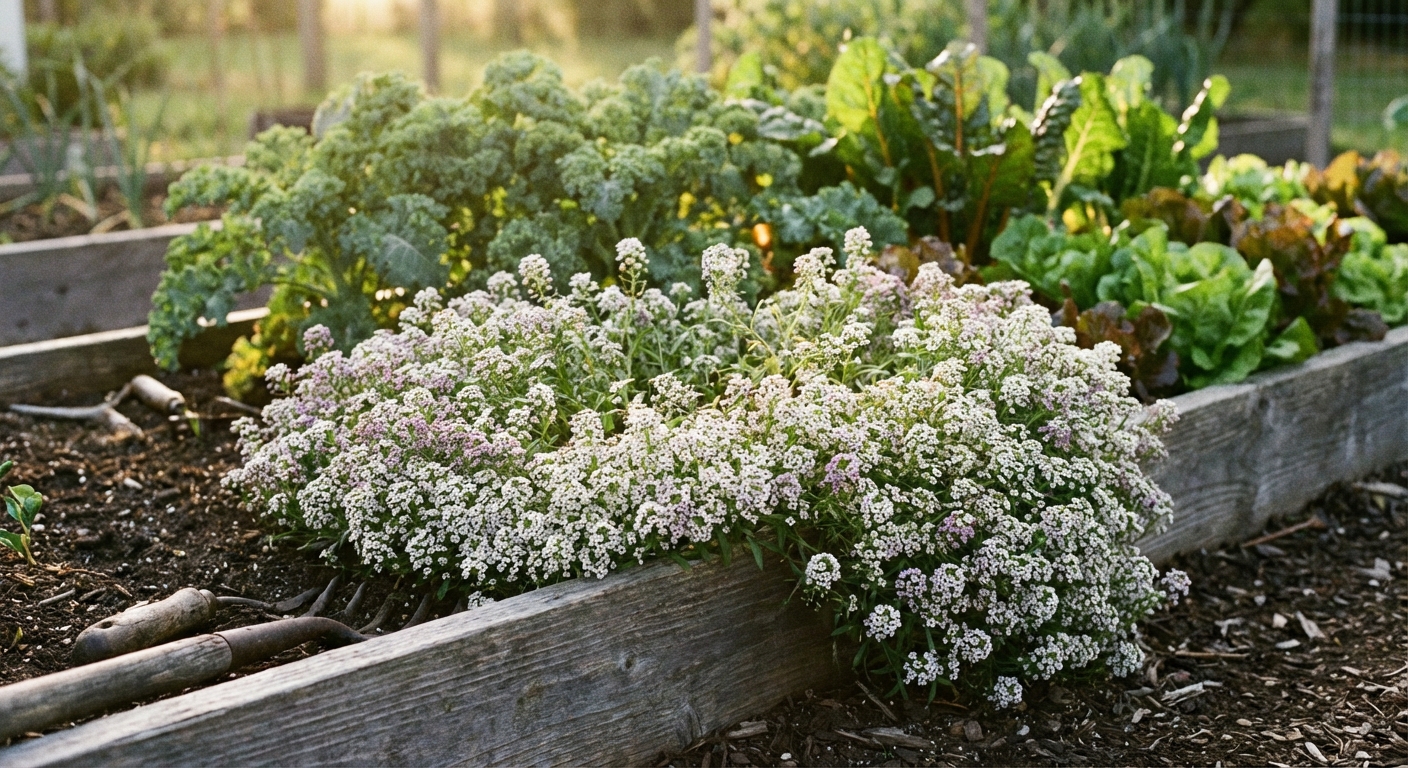
- Plant small-flowered blooms: sweet alyssum, dill, fennel, cilantro, yarrow.
- Avoid broad-spectrum insecticides that wipe out beneficials.
Birds, ground beetles, and spiders
- Leave some mulch and garden cover for ground beetles and spiders to live in.
- Add a birdbath or water source to encourage birds.
- Keep a few native plants or mixed flower borders near the vegetable bed.
Companion planting that can help
Companion planting will not fix a heavy infestation by itself, but it can reduce pressure in some gardens and make it easier for beneficial insects to do their job.
- Nasturtiums can attract beneficial insects and may act as a trap plant for some pests (often aphids and certain beetles). For caterpillars, results are mixed, and nasturtiums can also become a host plant, so treat them as an experiment, not a guarantee.
- Dill, cilantro, parsley (let some flower) attract beneficials like parasitic wasps and hoverflies.
- Sweet alyssum is one of the easiest beneficial-attracting flowers to tuck into bed edges.
- Alliums (chives, onions, garlic) may help mask plant scent for some pests in tight plantings, but it is not a stand-alone solution.
Think of companion plants as support. Your main control is still scouting, hand-picking, barriers, and Bt when needed.
What to avoid (common mistakes)
- Spraying everything on a schedule: you end up harming beneficial insects and still miss the timing for caterpillars.
- Using broad-spectrum killers: products like carbaryl, pyrethroids, and many “all-in-one” garden insect sprays can knock out beneficial insects and sometimes trigger secondary pest outbreaks.
- Only checking the top of leaves: many caterpillars hide underneath or deep in the plant.
- Ignoring the first week of damage: small caterpillars are much easier to control than large ones.
- Assuming one treatment is enough: eggs keep hatching. Plan on follow-up scouting.
Quick plan: what to do this week
If you just discovered caterpillars and want a simple game plan, here is what works for most backyard gardens:
- Scout tonight or early tomorrow and hand-pick what you can find.
- Check undersides and remove any eggs.
- If damage is ongoing, apply Bt to affected plants, covering both sides of leaves.
- Recheck in 2 days for new feeding and reapply after heavy rain.
- If you grow brassicas regularly, install row cover for the rest of the season on those beds.
FAQ
Will dish soap kill caterpillars?
Soapy water is fine for disposing of caterpillars you hand-pick. Spraying soapy water on plants is hit-or-miss for caterpillars and can burn leaves if it is too strong. For leaf-feeding caterpillars, Bt is usually more effective and more predictable.
Is Bt safe for bees?
Bt-k targets caterpillars that eat treated leaves. Bees are not caterpillars, so it is generally considered compatible with pollinator-friendly gardening when used as directed. Still, do not spray any product directly onto bees or into open flowers.
Why do I keep getting caterpillars every year?
Adult moths and butterflies lay eggs in your garden each season, and some species overwinter in soil or nearby debris. The long-term fix is a mix of early scouting, row covers for susceptible crops, and supporting beneficial insects so the garden balances out faster.
What is the best treatment for cutworms?
Use cutworm collars on seedlings, reduce thick weeds and debris near beds, and check the soil around damaged plants in the evening to remove the curled caterpillars. Bt works best on leaf-eaters, not soil-hidden cutworms.